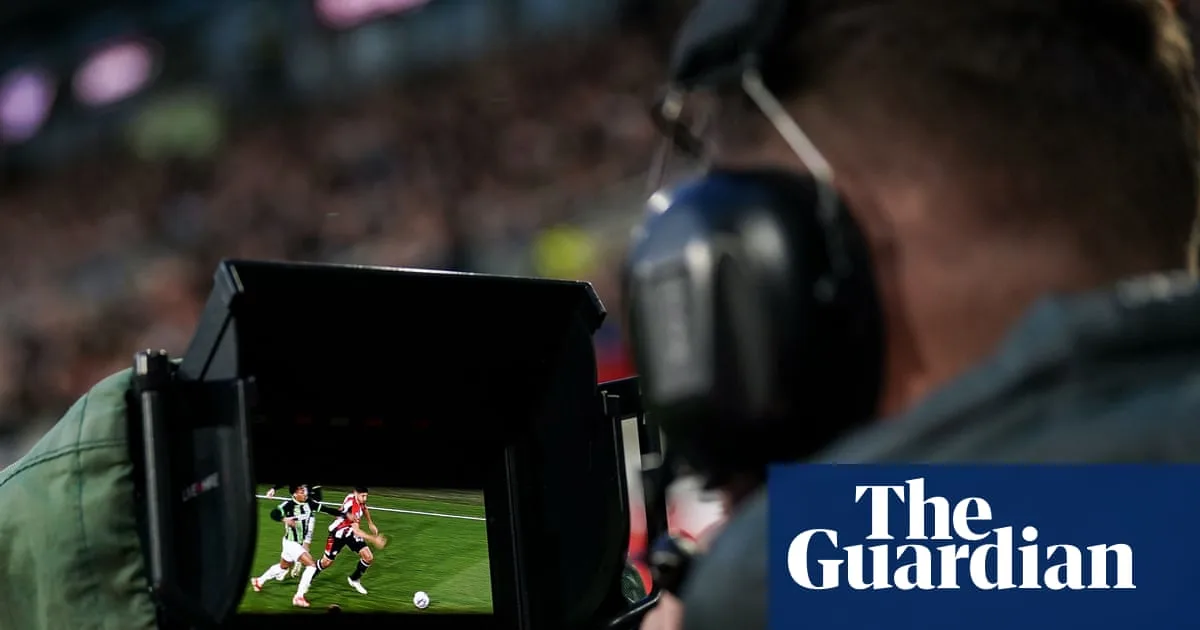
The Premier League and English Football League (EFL) are set to hold talks early next year about ending the long-standing Saturday 3pm blackout, which currently prevents live broadcasts of matches at that time in the UK. The UK is the last country in Europe to enforce this restriction, and both leagues are keen to sell all their games to domestic broadcasters in the next rights cycle to boost revenue.
The Premier League and EFL currently show a record 270 and 1,059 matches respectively on domestic TV each season, predominantly on Sky Sports. However, they have concluded that selling every game is the only way to increase income. The EFL's current deal with Sky Sports, worth £935 million over five years, grants exclusive live rights to 1,059 games per season from the Championship, League One, League Two, the Carabao Cup, and the EFL Trophy. If the blackout is removed, the EFL could make all 1,891 of its matches available.
The Premier League is also exploring the sale of all games due to declining media rights values across Europe. Its domestic deal with Sky Sports and TNT Sports is worth a record £6.7 billion over four years, but the real-terms value has declined by 23% from the previous cycle after adding an extra year and increasing the number of games from 215 to 270 per season. Many Premier League clubs with American owners have been pushing for this change, as broadcasting every game is standard in the US.
The blackout is governed by Article 48 of Uefa's statutes, which allows a territory to prohibit live football transmission for two and a half hours on a Saturday or Sunday. In England, it applies when 50% of Premier League and Championship matches are scheduled for Saturday at 3pm. The Football Association (FA), which is responsible for applying to Uefa to impose Article 48, is unlikely to object to its removal. However, if the blackout is lifted in England, leagues in Scotland, Northern Ireland, and Wales may seek compensation, as Article 48 is also enforced there.
The Premier League's next auction is expected in 2027, while the EFL plans to go to market at the start of that year. An early agreement on the blackout is needed to determine what can be offered in the next tender. The change could also affect attendances, as 3pm Premier League kick-offs would be broadcast across the UK for the first time.