March Mildness: NCAA Tournament Dominance by Top Seeds Becomes the New Norm
Call it March Mildness. In recent years, the NCAA Tournament has witnessed a shift towards dominant performances by top seeds, making the traditional chaos of March Madness a rarer spectacle. While buzzer-beaters, upsets, and viral moments still occur, the overall trend points to a more predictable and lopsided competition.
Record-Breaking Dominance in Early Rounds
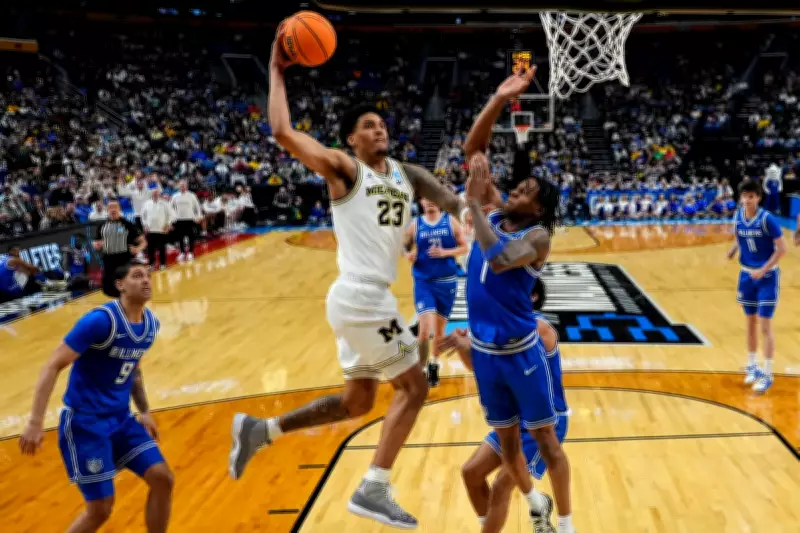
The opening days of the tournament have showcased an unprecedented level of control by favorites. In the first round, the top four seeds in each region went undefeated, mirroring last year's performance. The average margin of victory soared to 17.4 points, the highest since the tournament expanded to 64 teams. A record fourteen games were decided by at least 20 points, with Florida's 59-point win marking the second-largest margin in tournament history. This pattern extends to women's basketball, where higher-seeded teams also faced little resistance.
Impact of NIL and Transfer Rules
This era of dominance aligns closely with changes in college athletics, particularly the easing of transfer rules and the introduction of Name, Image, and Likeness (NIL) deals. These factors have exacerbated the gap between resource-rich programs and smaller schools. As Saint Louis coach Josh Schertz noted, the talent chasm has widened, with top teams leveraging financial advantages to attract elite players. For instance, Michigan's Yaxel Landenberg, a highly sought-after transfer, reportedly turned down a $9 million offer from Kentucky before joining the Wolverines, highlighting the monetary stakes involved.

Challenges for Mid-Major Programs
Mid-major schools face mounting difficulties in retaining talent and scheduling competitive non-conference games. Coaches like Texas Tech's Grant McCasland point out that players from smaller programs often transfer to wealthier schools after standout seasons, disrupting team cohesion. Additionally, power-conference teams are reluctant to play mid-majors on the road or at neutral sites, limiting preparation opportunities for the tournament. High Point coach Flynn Clayman advocates for incentives to encourage more balanced matchups, but as Purdue's Matt Painter suggests, such games remain rare due to resume-building priorities.
The Future of Tournament Dynamics
Despite the trend towards chalk, the allure of March Madness persists, with the potential for underdog upsets always looming. However, the current landscape, shaped by financial disparities and roster instability, suggests that dominance by top seeds may continue. As UConn coach Dan Hurley remarked, the art of program-building has shifted towards assembling veteran rosters through transfers, further entrenching the divide. For now, fans and players alike hold onto hope for those thunderclap moments that can still redefine the tournament.