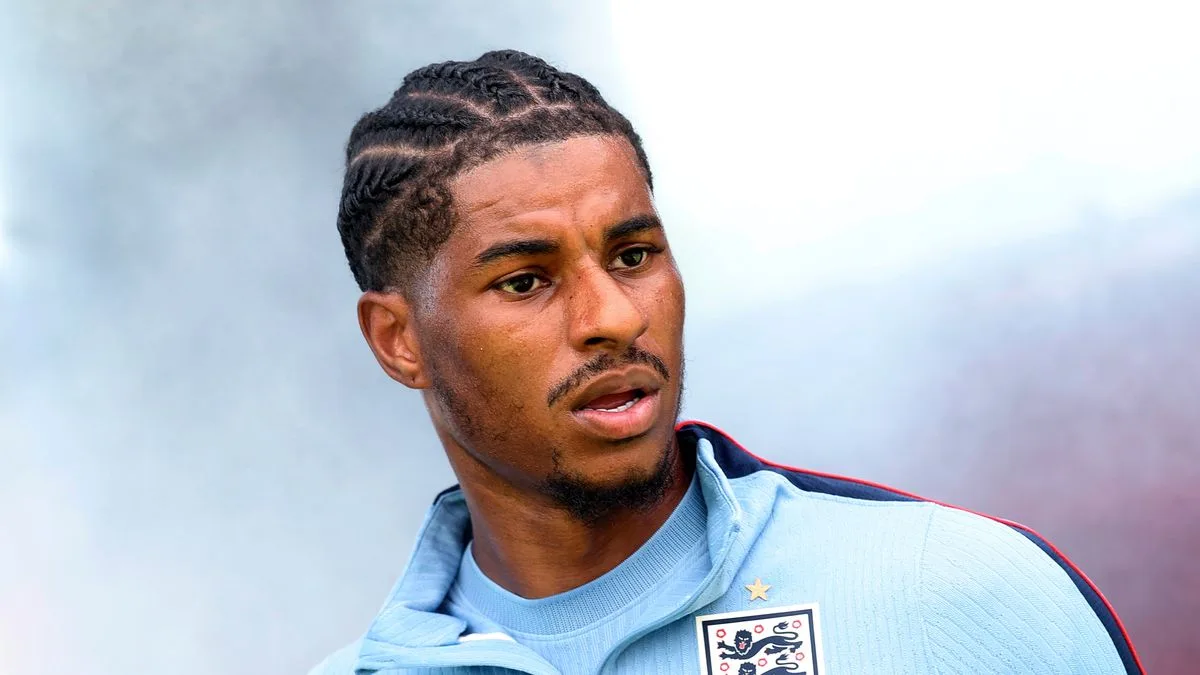
Barcelona are reportedly baulking at paying the £26million buyout clause for England attacker Marcus Rashford, but Manchester United feel the price is too low, potentially setting the stage for a shock reconciliation at the end of the season. This situation highlights the complex dynamics at play as interim manager Michael Carrick's future and Rashford's transfer saga intertwine.
The Carrick Factor at Manchester United
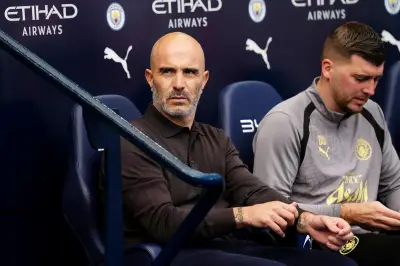
Many observers believe Michael Carrick is fortunate to be in charge of Manchester United, given his lack of previous permanent Premier League managerial experience. However, not only is he leading the team until the season concludes, but the long-term position increasingly appears to be his for the taking. If Carrick secures a strong finish and Champions League qualification, he will not only be in prime position for confirmation but will also gain significant negotiating power.
Negotiation Power and Executive Authority
This power extends beyond mere remuneration and contract length to critical executive decisions. Key questions arise: Who will dictate tactics, recruitment, and player sales? Will Carrick operate as a manager or head coach, and will he answer to figures like Jason Wilcox? While these issues may seem distant, they directly impact the developing situation with Barcelona and Rashford's future.
Reliable reports indicate Barcelona plan to haggle over the £26million option-to-buy fee, seeking a lower price. From United's perspective, not only will they refuse to lower the fee, but they now believe setting it at £26million might have been a mistake. On the surface, United have a valid point—Rashford, at 28, could shine in the World Cup, is in his prime, plays for an elite club, and is under contract until 2028, suggesting his value should far exceed £26million.
Rashford's Market Value and Barcelona's Stance
For context, United paid £60million for 30-year-old Casemiro, making Rashford's £26million clause seem a bargain. However, Barcelona see it differently. If Rashford only desires a move to Barcelona, why would the Catalan club engage in a price war with themselves? They are in a strong position, especially if United aim to offload Rashford and he has limited destinations.
Additionally, while Rashford has performed well, he hasn't been an automatic starter, leading Barcelona to view his permanent signing as somewhat risky. This calculus adds layers to the negotiation, with both clubs weighing financial and strategic factors.
Carrick's Potential Role in Rashford's Future
Currently, this transfer drama is of little concern to Carrick, but it will become pivotal if he secures the long-term managerial role. A highly-motivated Rashford could appeal to Carrick, though whether Carrick's United would appeal to Rashford remains uncertain. This makes a conversation between Carrick and club executives essential, particularly if Barcelona attempt to low-ball the buyout figure.
If United genuinely believe Rashford is worth more than £26million, consulting Carrick on whether to retain him becomes a prudent step. This dialogue could influence not only transfer decisions but also the broader power structure at Old Trafford, echoing past tensions like those with Ruben Amorim over job descriptions and executive rifts.
In summary, the interplay between Carrick's rising influence and Rashford's transfer situation underscores a critical juncture for Manchester United. As Barcelona hesitate and United reassess value, proactive discussions with Carrick could shape both the club's managerial future and its squad composition, making this a defining moment in the post-season strategy.