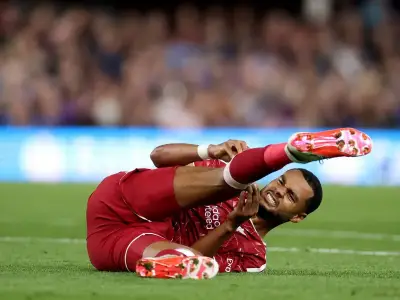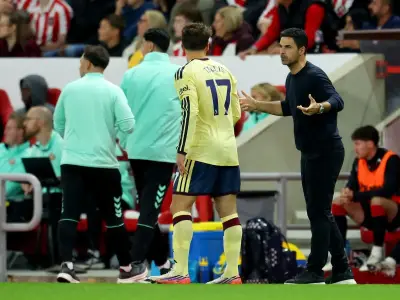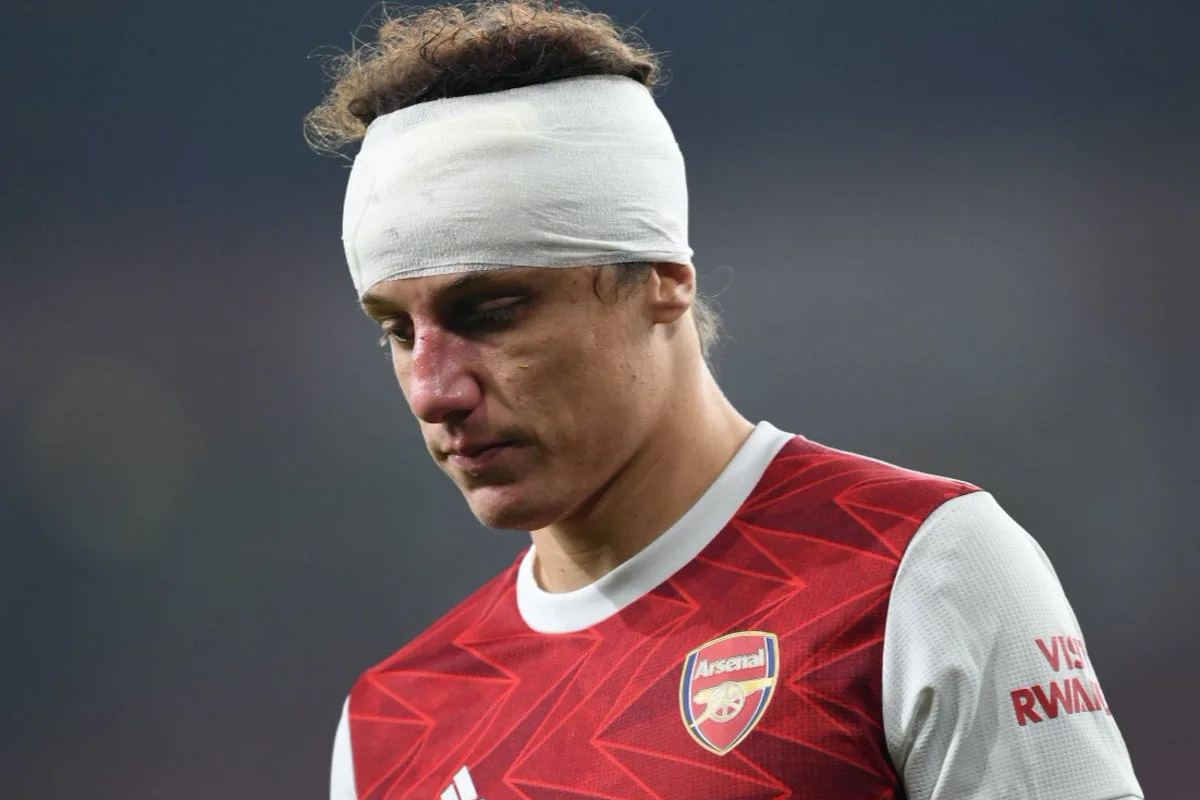
The football world has been shaken by the horrific head clash between Wolves forward Raul Jimenez and Arsenal defender David Luiz on Sunday night, which left Jimenez requiring surgery for a fractured skull. The severity of the incident has once again brought the sport’s inadequate handling of concussion into sharp focus, with experts and campaigners calling for urgent change.
Jimenez was given oxygen and stretchered off to hospital, where he underwent an operation. Wolves manager Nuno Espirito Santo described the moment as “code red” and “a bad moment for everybody”. Luiz, despite being exposed to the same force, was initially allowed to continue after passing tests and protocols. However, Arsenal manager Mikel Arteta revealed the Brazilian was withdrawn at half-time because “he was not comfortable heading the ball”.
The incident has highlighted football’s failure to keep pace with other sports, such as the NFL, cricket and rugby, in managing head trauma. Criticism has also been directed at Troy Deeney, who claimed on Talksport that footballers should be trusted to decide if they can play on after a clash of heads, arguing that so much has already been taken away from them. Such rhetoric has been branded irresponsible, particularly given the known risks.

The International Football Association Board (IFAB) has cleared trials of an additional permanent concussion substitute, but experts argue this is insufficient. Dr Willie Stewart, the neuropathologist who proved the link between football and dementia, called the proposal “last century” and said temporary substitutions, as used in other sports, are a far better tool. He accused IFAB of sending a message that brain-injured players are forbidden from leaving the field, rather than allowing medics time to assess them properly.
Headway, the brain injury association, echoed these concerns. Deputy chief executive Luke Griggs questioned whether Luiz would have returned if temporary concussion substitutes had been available, and criticised football’s repeated failure to follow its own protocols. He warned: “You simply cannot take a risk with head injuries. They are not like muscular injuries where you can put a player back on ‘to see if they can run it off’.” He also stressed the importance of elite football setting a good example for younger players.
Stewart’s research found that former footballers are 3.5 times more likely to die of dementia. The latest incident serves as a grim reminder that football’s approach to concussion remains dangerously inadequate, and that the game must act now to protect its players.