Iran's Women's Football Team Exits Asian Cup Amid War Concerns at Home
Iran's national women's soccer team has concluded its participation in the Women's Asian Cup group stage in Australia, now facing the prospect of returning to a homeland engulfed in war. The team's exit follows a series of matches that highlighted both sporting challenges and broader geopolitical tensions.
Group Stage Elimination and Immediate Departure
The Iranian women's squad arrived in Australia last month for the continental championship, prior to the outbreak of war initiated by U.S. and Israeli strikes on Iran on February 28, 2026. Typically, teams eliminated during the group stage depart within days, but this situation is compounded by the ongoing conflict back home.
In their final group match on Sunday, Iran lost 2-0 to the Philippines, with goals conceded in the 29th and 82nd minutes under wet conditions at Gold Coast Stadium. This defeat followed earlier losses to South Korea and Australia, effectively ending their tournament run and any chance of advancing to the quarterfinals.

Anthem Gestures and Player Welfare Concerns
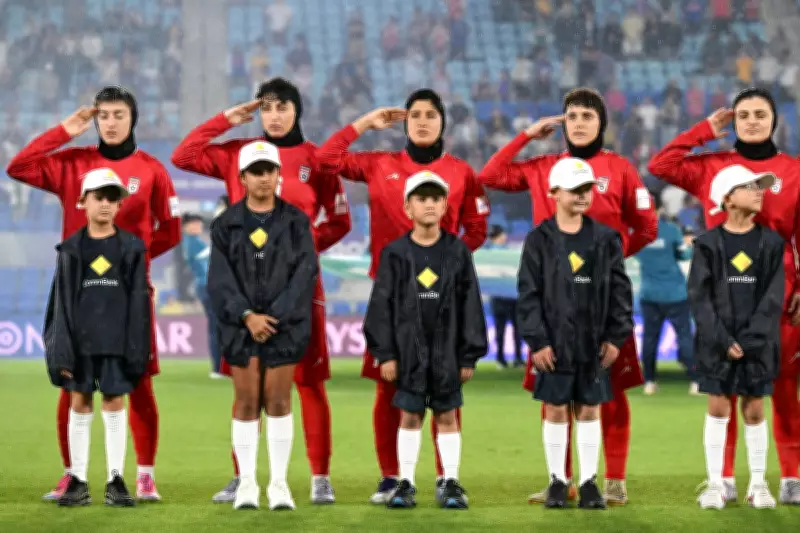
During the tournament, the team's behavior during national anthems drew significant attention. In their opening loss to South Korea, players remained silent during the anthem, an act interpreted by some as resistance and by others as mourning, though the team has not provided clarification. Subsequently, before matches against Australia and the Philippines, the players sang and saluted during the anthem.
Amid reports of criticism in Iranian media, concerns for player welfare have escalated. The Australian Iranian Council has taken action, writing to Australia's Home Affairs Minister Tony Burke to urge government protection for squad members while they remain in Australia. An online petition launched by the council garnered over 50,000 signatures before Sunday's kick-off, calling on Australian authorities to ensure no player departs while credible safety fears persist and to provide independent legal advice, support, and interpreters.
Player Reactions and Government Responses
Throughout their stay on Australia's Gold Coast, Iran's team management and players have largely avoided commenting on the domestic situation. However, forward Sara Didar became emotional during a news conference last Wednesday, expressing concerns for their families, friends, and all Iranians affected by the conflict.
The petition emphasizes that in a wartime environment, risks of persecution and repression have intensified, urging Australia to uphold humanitarian protection obligations. Foreign Minister Penny Wong, while declining to comment on individual contacts, affirmed Australia's solidarity with the Iranian women's team, noting the emotional impact of their presence and interactions with Australia's team.
Activist Calls for Safe Spaces and Support
Iranian Australian activist Tina Kordrostami, a member of Sydney's Ryde Council, highlighted the need for a safe environment where players can voice their needs without fear. She stressed that government assistance is crucial to providing this space, underscoring the broader challenges faced by individuals perceived as disloyal by the Iranian regime.
As the team prepares for departure, the focus remains on their safety and the humanitarian implications of returning to a war-torn country, with ongoing advocacy for protective measures from Australian authorities.