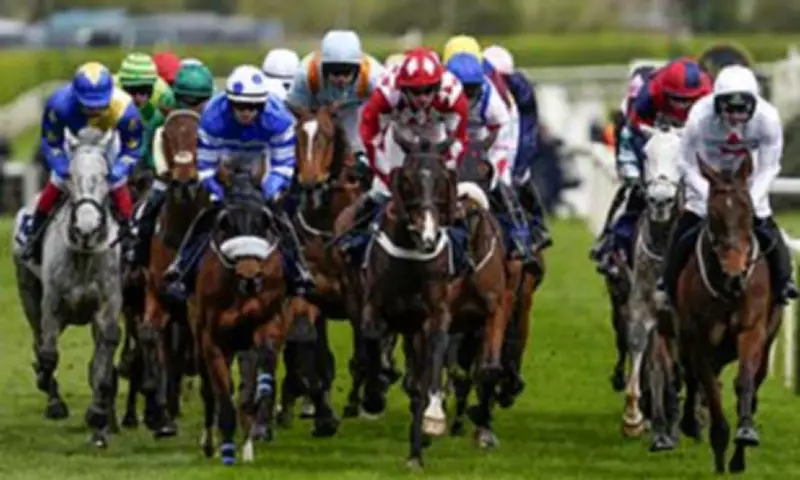
The Aintree Festival has been struck by another tragic incident, with the horse Get on George being euthanised on the course after pulling up during the William Hill Handicap Hurdle on Saturday afternoon. The six-year-old suffered a broken near-hind fetlock, a critical joint in the rear left leg, leading to the immediate decision to put the animal down.
A Grim Milestone at Aintree
This latest fatality brings the total number of horse deaths at the Aintree Festival to 69 since the year 2000, highlighting a persistent and concerning trend. The tragedy occurred just one day after the death of Gold Dancer, who had triumphed in the William Hill Mildmay Novices’ Chase moments before succumbing to injuries.
Animal Welfare Concerns Raised
Dene Stansall, the Horse Campaign Lead at Lawyers For Animals, has voiced strong criticism in response to the incident. He stated, 'Yet again a horse is killed at the Aintree Grand National Meeting. There is a Duty of Care and a requirement for the Prevention of Suffering under the Animal Welfare Act 2006, given the unprecedented number of horses killed at this meeting (69 since the year 2000) the question arises is this being breached?'

Stansall's comments underscore growing scrutiny over whether current regulations and practices are sufficient to protect equine welfare in high-stakes racing events. The repeated fatalities have sparked debates among animal rights activists, racing enthusiasts, and regulatory bodies about the need for enhanced safety measures.
Broader Implications for Horse Racing
The deaths of Get on George and Gold Dancer within a 24-hour period have intensified calls for a thorough review of racing protocols at Aintree and similar venues. Critics argue that the frequency of such incidents suggests systemic issues that must be addressed to prevent further loss of life.
As investigations into the specific circumstances of Get on George's injury continue, the racing community faces mounting pressure to demonstrate a commitment to animal welfare. The outcome could influence future policies and public perception of the sport.