France and Netherlands Confirm No World Cup Boycott Despite Trump's Greenland Threats
France, Netherlands Won't Boycott World Cup Over Trump Threats

World Cup Giants Reject Boycott Calls Amid US-Greenland Tensions

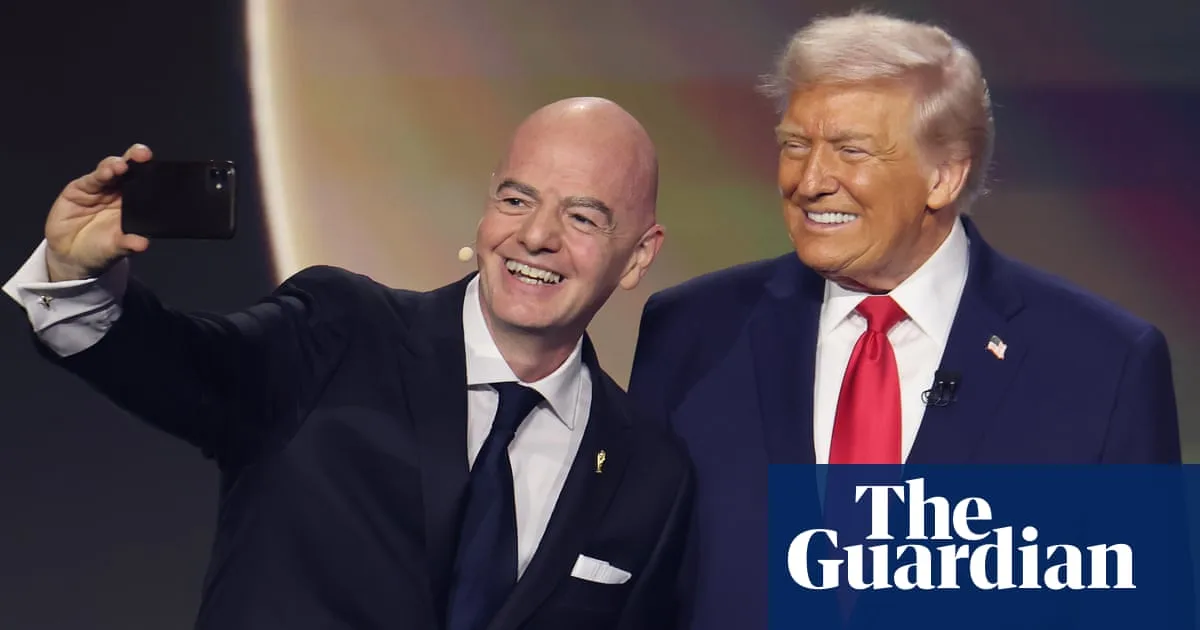
Two European football powerhouses have firmly dismissed suggestions of boycotting the 2026 FIFA World Cup, despite escalating geopolitical tensions involving host nation the United States and its president, Donald Trump. The tournament, scheduled to be co-hosted by the USA, Mexico, and Canada this summer, has faced uncertainty following Trump's controversial remarks regarding Greenland.

Geopolitical Storm Over Arctic Territory

The 79-year-old US president, who recently marked one year since his inauguration as the nation's 47th leader, has drawn sharp criticism from NATO allies over his persistent threats concerning Greenland. Although the autonomous territory falls under Denmark's realm, Trump has repeatedly expressed his desire to acquire the island, citing national security concerns as justification for the proposed move.

This stance triggered particular alarm among European nations, with several world leaders addressing the issue during discussions at the World Economic Forum in Davos, Switzerland. While Trump later clarified he would not employ military force to obtain Greenland and revealed outlines of a security agreement with NATO allies concerning the island, the initial threats had already sown seeds of diplomatic unease.

Wide Pickt banner — collaborative shopping lists app for Telegram, phone mockup with grocery list

Football Nations Take Clear Stance

Amid this geopolitical backdrop, suggestions emerged that nations might boycott the upcoming World Cup as a form of protest. However, both France and the Netherlands have now definitively ruled out such action.

France's sports minister, Marina Ferrari, stated unequivocally on Wednesday that her country currently has no plans to boycott what she described as "this great competition." Ferrari emphasized her belief in keeping sport separate from politics, noting: "The World Cup is an extremely important moment for those who love sport."

The Netherlands echoed this position through KNVB secretary general Gijs de Jong, who explained: "We always follow the guidelines set by the Dutch government, FIFA and UEFA. When they indicate that travelling to or playing in a certain area is not allowed, then we don't go. We focus on football, dialogue and making connections."

Travel Complications Loom

While the boycott threat from these football giants appears to have subsided, significant practical challenges remain regarding participation in the tournament. The Trump administration recently announced the suspension of immigrant visa processing for 75 countries, 15 of which have qualified for this year's World Cup.

These nations include Algeria, Brazil, Cape Verde, Colombia, Egypt, Ghana, Haiti, Iran, Ivory Coast, Jordan, Morocco, Senegal, Tunisia, Uruguay, and Uzbekistan. With additional countries potentially qualifying through playoffs, further complications could emerge regarding team and fan travel arrangements.

FIFA has established a Prioritised Appointment Scheduling System (FIFA Pass) to expedite visa applications for ticket holders, but this mechanism does not guarantee approval for those seeking entry to the United States for the tournament.

Broader Diplomatic Context

The situation represents a delicate balancing act for participating nations, particularly European allies who have expressed relief as tensions over Greenland have de-escalated, averting a potential trade war between the European Union and the United States. However, the underlying diplomatic strains continue to cast a shadow over what should be a celebration of global football.

France, as the 2018 World Cup champion and 2022 finalist, and the Netherlands, as perennial football heavyweights, carry significant influence in the sporting world. Their decisions against boycotting provide substantial reassurance about the tournament's viability, though questions persist about how geopolitical developments might evolve in the coming months.

The coming weeks will reveal whether other qualified nations follow the lead of France and the Netherlands in committing to participate fully in the 2026 World Cup, or whether travel restrictions and ongoing diplomatic tensions create unforeseen obstacles for what promises to be one of the most expansive football tournaments in history.

Pickt after-article banner — collaborative shopping lists app with family illustration