Darren Fletcher Chooses Under-18s Over First Team Role at Manchester United
Michael Carrick and Darren Fletcher share a deep history, having played together in midfield under the legendary Sir Alex Ferguson. When Carrick was appointed to lead Manchester United's first team for the remainder of the season, he immediately offered Fletcher a position on his coaching staff. Carrick was grateful for Fletcher's support during his previous temporary tenure in 2021 and was eager to have his former teammate by his side again, especially after Fletcher helped stabilise the team following Ruben Amorim's dismissal.
A Polite Decline and a Strategic Decision
Despite the offer being open, Fletcher politely declined the role. Some within the club were relieved to see him return to his position as lead coach of the Under-18s, though concerns lingered that his supportive nature might lead him to accept out of loyalty. Fletcher made a calculated decision to step back into academy football, prioritising his own burgeoning managerial career. After years in supporting roles as a technical director and first team coach, he is now placing his personal ambitions at the forefront.
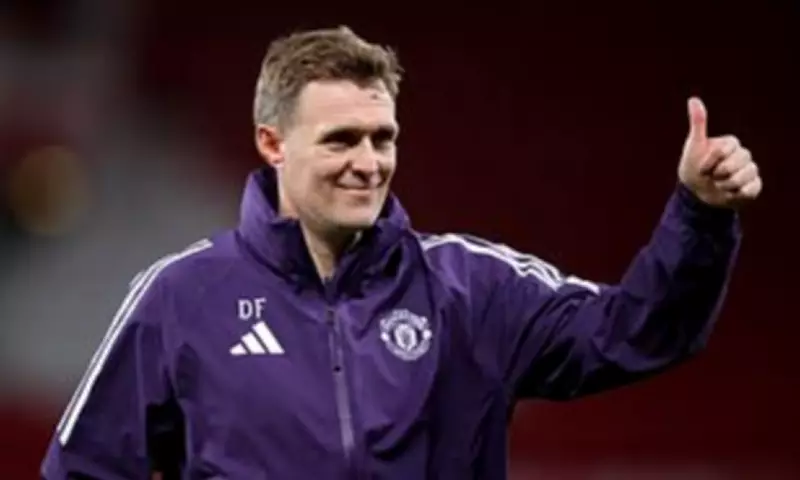
Darren Fletcher is back with Manchester United's Under-18s after a brief caretaker spell with the senior squad. In August, he expressed his enthusiasm for the role, stating, 'It's nice to lead, to be in charge of your own team. I was always in a support role before, so I felt that for the next stage of my development as a coach, it was important that I led a group.' Fletcher was hand-picked for the Under-18s job by director of football Jason Wilcox, following Adam Lawrence's departure.

Aspiring to Manage Manchester United
Fletcher's ultimate goal is to become a manager, specifically at Manchester United. He acknowledges the long journey ahead but recognises that coaching in academy football is a proven pathway for many successful managers. Operating in the shadows has its limits, and Fletcher is eager to step into the spotlight. Examples abound of coaches who have leveraged academy success into senior roles, such as Kieran McKenna and Ole Gunnar Solskjaer at United, and Jack Wilshere, who moved from Arsenal's academy to manage Luton Town in League One.
Other EFL coaches like Liam Manning at Huddersfield Town and Michael Skubala at Lincoln City have also benefited from academy experience. Fletcher's role with the Under-18s allows him to refine his coaching philosophy away from intense public scrutiny. While over 3,000 fans attended their FA Youth Cup quarter-final victory over Oxford United, many matches are held at Carrington, shielded from prying eyes. Even games at Old Trafford, such as those against Peterborough United and Derby County, attract only modest crowds of a few hundred.
Focus on Player Development and Tactical Identity
This environment reduces the pressure of mistakes and lets Fletcher concentrate on player development. Talents like JJ Gabriel, Jim Thwaites, Godwill Kukonki, and Rafe McCormack have shown significant improvement under his guidance. Fletcher has implemented a 4-3-3 formation with an attacking mindset, structure, and clear identity. His calm demeanour on the touchline, reminiscent of Carrick, involves concise instructions and minimal overreaction to errors.
'I'm really excited to be on the grass every day, working with the team, implementing Manchester United's style, club ideas alongside some of my own ideas,' Fletcher said after leading the team in Germany. 'The most pleasing thing has been the players' application and buy-in into it.' His side is second in the U18 Premier League North, having conceded only 14 goals in 18 games, compared to Liverpool's 48. They remain in contention for the Premier League Cup and FA Youth Cup, aiming for United's 12th Youth Cup title and first since 2022.

Building for the Future
Fletcher's man-management skills were evident after the 4-1 win over Oxford United, where he offered encouragement to striker Chido Obi. He emphasises balancing development with the pressures of modern football, stating, 'We have to recognise their age as well. We don't want them to grow up too quickly. Let them just develop.' This philosophy applies to Fletcher himself; as a young coach gaining experience, success with trophies and player progress could soon attract attention from other clubs.
Carrick, along with Travis Binnion and Jonny Evans, travelled 167 miles to support Fletcher at Oxford, just as they did at Old Trafford. Had circumstances differed, Fletcher might have joined them regularly, but Carrick understands that Fletcher's choice to focus on the Under-18s was the correct decision for his career trajectory.