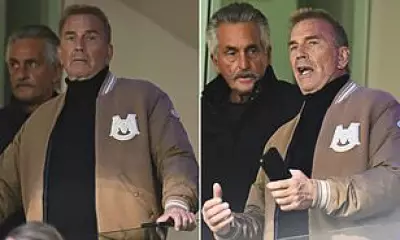
Patrice Evra Launches Furious Tirade Against Theo Walcott Over TV Punditry Comments
Manchester United icon Patrice Evra has delivered a blistering critique of former Arsenal forward Theo Walcott, vehemently asserting that the ex-England international should be permanently barred from television appearances. This explosive outburst was triggered by Walcott's recent comparison of Mikel Arteta's current Arsenal lineup to the legendary Manchester United side of 2008, which famously clinched both the Premier League and Champions League titles.
The Controversial Comparison That Sparked the Feud
The controversy originated during a live broadcast on Amazon Prime in January, where Walcott was serving as a pundit alongside United great Wayne Rooney and host Gabby Logan. While dissecting Arsenal's Champions League match against Inter Milan, Walcott posed a direct question to Rooney, inquiring how the present Arsenal squad would measure up against the iconic United team from eighteen years prior.
"Would your '08 team compete, well you would compete against this team, but how does it compare to your 2008 team? Which by the way, was probably the best team that I've ever played against. This [Arsenal] squad against that one," Walcott queried.

Rooney's response was instantaneous and unequivocal. "We'd batter them," he declared, prompting laughter from the studio before adding, "I think we would, I think we would." This exchange, though seemingly light-hearted at the time, has now ignited a fierce and very public row months after the initial broadcast.
Evra's Scathing Verdict on the Rio Ferdinand Podcast
Appearing on the Rio Ferdinand Presents podcast with former teammates Rio Ferdinand and Ryan Giggs, Evra was directly questioned about Walcott's remarks. The French defender, never one to mince words, unleashed a torrent of criticism, branding Arsenal supporters as "delusional" and levelling serious accusations at Walcott himself.
"No, I'm leaving. That's the problem with Arsenal. Now he's comparing this team with our 2008 team," Evra stated emphatically. "I think he's a menace for society. He should not be on TV. He's dangerous for the kids. That's why I keep saying they are delusional. I know I talk with my heart, but they are delusional. This is disrespect. He should never be on TV again when he starts asking questions like that."
Evra's comments represent a significant escalation, moving beyond mere footballing debate into a personal condemnation of Walcott's suitability as a broadcaster. His assertion that the comparison is "disrespectful" and potentially harmful underscores the deep reverence he holds for the achievements of that historic United team.
Arsenal's Season Under Scrutiny Amid Title Race Pressure
This fiery exchange unfolds against a backdrop of mounting pressure on Arsenal's campaign. The Gunners have endured a challenging period, suffering defeat in the EFL Cup final to Manchester City and an unexpected exit from the FA Cup at the hands of Championship side Southampton. A further 2-1 league loss to City last weekend has dealt a severe blow to their Premier League title aspirations, intensifying scrutiny on the squad and manager Mikel Arteta.
Interestingly, Wayne Rooney has also recently commented on Arsenal's situation, albeit from a different perspective. Speaking on BBC Sport, the former United striker suggested that the Arsenal fanbase must play a more supportive role if the club is to end its 22-year wait for a league championship.
"I think for Arsenal to win the league, the Arsenal fans need to play their part," Rooney advised. "I thought in the Bournemouth game, the fans let them down... I think they need to get behind the team a little bit more, support them, but understand that, you know, they might lose games at times. I think that the fans need to be better for the players and back the players a little bit more."
This juxtaposition of views highlights the complex dynamics at play: while Evra condemns a pundit's historical comparison, Rooney focuses on the present need for fan support, illustrating the multifaceted nature of modern football discourse where past glories and current pressures constantly collide.