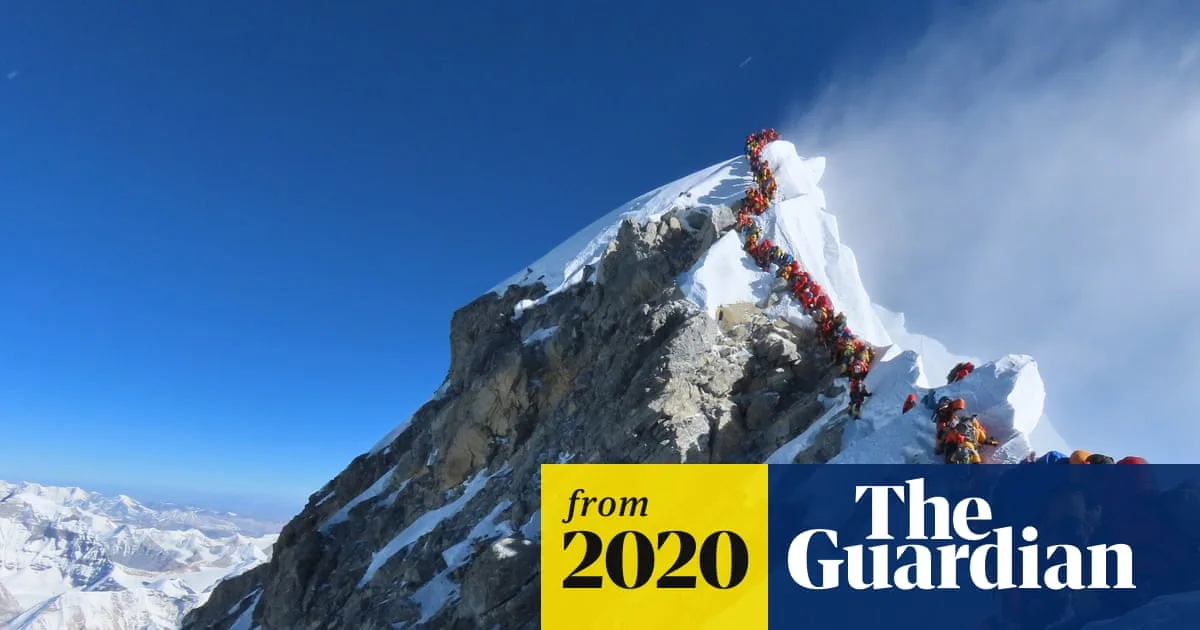
A year after 11 people died on Mount Everest, survivors have described the chaos and near-death experiences when a queue of around 100 climbers formed in the death zone. Nirmal Purja, a Nepalese mountaineer and former Special Boat Service member, took a photograph of the line near the summit on 22 May 2019, which later went viral.
Poor weather had compressed the climbing window to just three clear days, forcing teams to converge. Purja, attempting a record climb between Everest and Lhotse, abandoned his goal when he saw the queue. At the Hillary Step, climbers waited in bitterly cold conditions, burning through oxygen supplies. The narrow ridge, with 3,000-metre drops on both sides, left no room for rescue.
Purja spent two hours managing the queue, prioritising those who had waited longest and calming arguments between climbers trying to ascend and descend. He said: 'Everyone is in that fine line between death and life.' His military background helped assert authority, but local guides struggled to convince clients to turn back.
Thomas Becker, a first-time Everest climber, compared the scene to 'Lord of the Flies'. He was stuck behind a woman who could not use her ice axe, and said tensions ran high as climbers shouted at each other. Many, he noted, had invested months and thousands of dollars, making them reluctant to abandon their summit bid.
Purja, now writing a book from his home in Winchester, reflected that the queue was a symptom of commercial pressure. 'When people are in stressful situations, they do shout,' he said. 'That’s why everybody rushes for the top.' The tragedy highlighted the dangers of overcrowding in the death zone, where every minute counts.