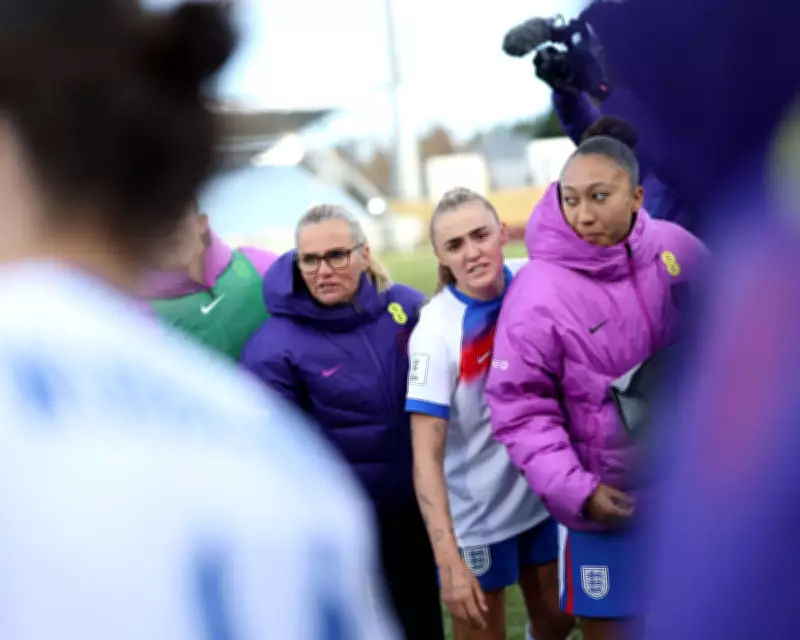
England's Lionesses Find Winning Formula Against Spain but Face Challenges from Physical Opponents
Sarina Wiegman and the England women's national team have developed an effective strategy to overcome world champions Spain, yet they continue to encounter difficulties when facing more physical and organised sides such as Iceland. The Lionesses' performance in recent World Cup qualifying matches highlights both their progress and areas for improvement as they aim to secure a top spot for the 2027 World Cup.
Blueprint for Success Against Spain Proves Effective
England's victory over Spain at Wembley demonstrated that their Euro 2025 final win was not a one-off achievement. The team executed a mature and disciplined game plan, conceding possession, forcing Spain central, and utilising the attacking threats of Lauren James and Lauren Hemp on the wings to punish their opponents on the counter-attack. Despite some nervous moments towards the end, this approach provided a clear blueprint for defeating the world champions, showcasing England's tactical growth under Wiegman's leadership.
Struggles Against Physical Teams Like Iceland Reveal Learning Curve
However, England's subsequent match against Iceland in Reykjavík exposed ongoing vulnerabilities. The tricky conditions and a natural hangover from the high-stakes game at Wembley contributed to a scrappy and physical encounter that nullified England's strengths. Iceland frustrated Wiegman's side by forcing them into a style of play that did not suit their abilities, resulting in a narrow and hard-fought win. This match underscored the need for England to learn how to handle such teams more efficiently, as they have previously stumbled against similar opposition.

Key Players Step Up in Defence and Attack
Several players have seized opportunities to shine during the qualifying campaign. Arsenal centre-back Lotte Wubben-Moy, benefiting from Leah Williamson's injury, has proven her worth with excellent performances against both Spain and Iceland, establishing herself as more than just a squad player. Similarly, Esme Morgan has elevated her game since moving to Washington Spirit, positioning herself as a contender for a spot in the back line alongside or in place of Williamson.
In attack, Alessia Russo has carried her club form to the international stage, demonstrating versatility and maturity. Her creative assist against Spain and clinical finish against Iceland highlight her effectiveness as both a No 9 and No 10, earning wider recognition for her hold-up play and off-ball effort.
Goalkeeper Hampton Emerges as Undroppable Asset
Hannah Hampton has faced scrutiny at Chelsea but remains crucial for England, delivering world-class saves in both qualifiers to preserve 1-0 leads. Wiegman praised Hampton as a "world-class goalkeeper," noting the increased visibility of the women's game brings both praise and pressure. Her consistent performances create a selection dilemma, as backup options like Ellie Roebuck, Anna Moorhouse, and Khiara Keating await opportunities, potentially in friendlies if England avoid playoffs.
Four Wins from Four Signal Progress in Qualifying Format
England's perfect record of four wins from four matches in World Cup qualifying represents significant progress, especially given their past struggles in the Nations League format. Previously, dropped points against lower-ranked teams hindered their campaigns, but this time, despite mixed performances, they have maintained momentum in a group that includes Spain. This success keeps them on track to finish top and secure automatic qualification for the 2027 World Cup, avoiding the playoffs.
Overall, the Lionesses are on the right path, with a clear strategy for top-tier opponents and emerging talents stepping up. However, adapting to physical and organised teams remains a critical challenge as they continue their qualifying journey.