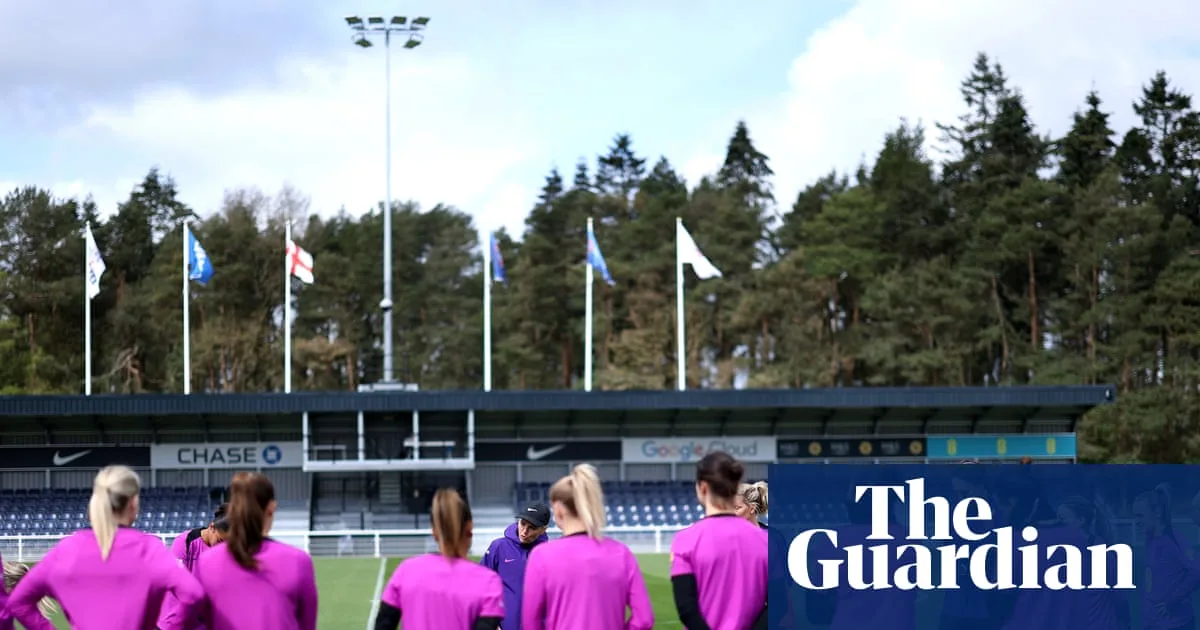
England face Iceland in Reykjavik on Saturday in their 500th match, with Sarina Wiegman stressing the importance of securing victory to make their win over Spain even more valuable. The Lionesses are top of their World Cup qualifying group after a narrow 1-0 victory at Wembley on Tuesday, thanks to Lauren Hemp’s early goal.
“It will be a different challenge but we need to make the win on Tuesday even more valuable by having a good result tomorrow,” Wiegman said. “That’s absolutely what we want to go for, it’s different circumstances and with a different opponent, but we’re ready.” The European champions have three wins from three and are aiming for automatic qualification by finishing top of League A.
Wiegman acknowledged the threat posed by Iceland, as similar teams have caused problems in recent Nations League campaigns. “We are absolutely aware this is again a new game, a new situation with Iceland in front of us here in Reykjavík, and we’re going to get ready in the best possible way and are going for a very good performance and a win,” she added.
Lucy Bronze, winning her 147th cap, described the milestone as “insane” and “crazy”. “It’s amazing to be a part of the history of the Lionesses,” she said. “We had some of the older Lionesses come in and speak to us… It’s just nice to share these stories so that when you’re putting on the England jersey you know how much it means to so many people.” Bronze also praised the emergence of young talent like Lucia Kendall, adding that the future is “in very good hands”.
Keira Barry is the only absentee for England, having failed to recover from an ankle problem, while Leah Williamson is fit after a thigh injury and will be assessed after training. The probable line-up includes Hampton in goal, Bronze, Wubben-Moy, Morgan and Greenwood in defence, Walsh, Stanway and Park in midfield, and Kelly, Russo and Hemp up front.