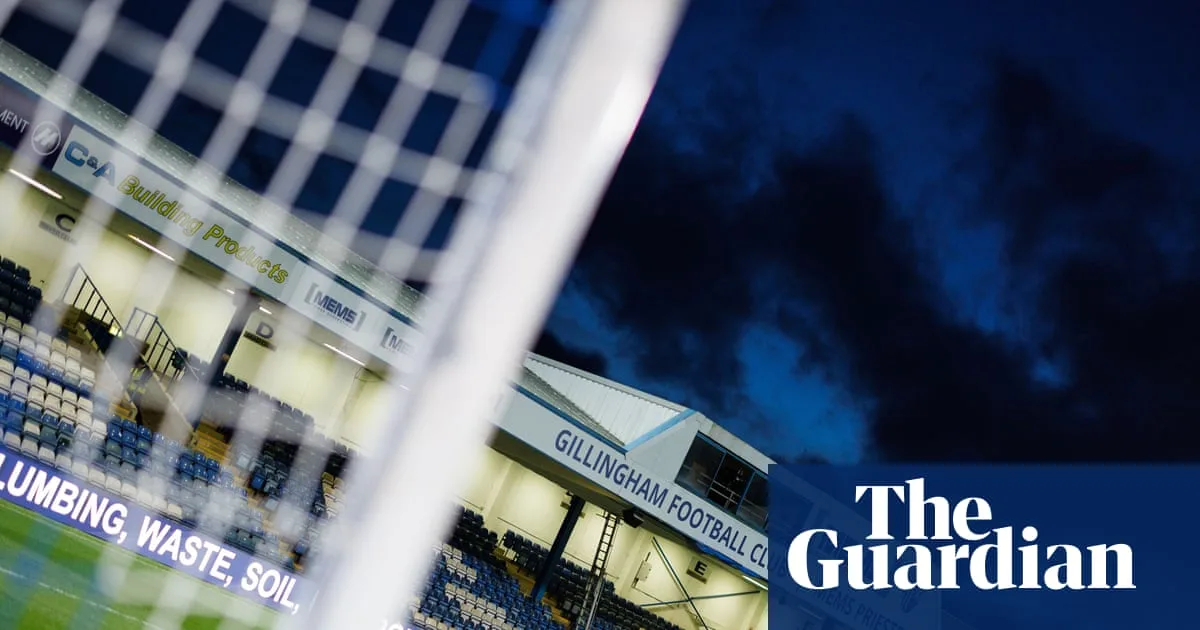
Brad Galinson, the American owner of Gillingham, has warned that almost every club in the English Football League (EFL) is on the brink of financial collapse. He said that 'almost every single club in the EFL ... is functionally bankrupt' and that many are only days away from entering administration, similar to the fate that befell Sheffield Wednesday.
Galinson attributed the crisis to the 'Wrexham effect', where high-profile takeovers have driven up costs across the lower leagues. In League One, only two clubs now have a playing budget below £3.5m, compared to 13 two years ago. The median loss among League One clubs last season was £5.2m, with most money spent on player salaries. Galinson has provided an interest-free loan of nearly £7m to cover Gillingham's £13m in losses since his 2022 takeover.
Galinson described the situation as 'irresponsible', noting that clubs are being 'bankrupted' despite being vital community assets. He has been working on a salary cap plan for League Two, similar to a proposed £4.7m cap in League One, which the EFL has opposed. He argues that such caps would keep clubs sustainable and competitive, regardless of owner behaviour.
Despite the financial risks, foreign interest in EFL clubs remains high. American investors are present at more than a third of EFL clubs, including Tom Brady at Birmingham and Snoop Dogg at Swansea. However, some investors are being deterred by rising costs. UNA Sports Group, which looked at UK clubs before investing abroad, noted that 90% of UK clubs are cashflow negative and called the situation 'unsustainable'.