Eddie the Eagle's Pre-Olympic Struggle: Bin Diving and Car Sleeping
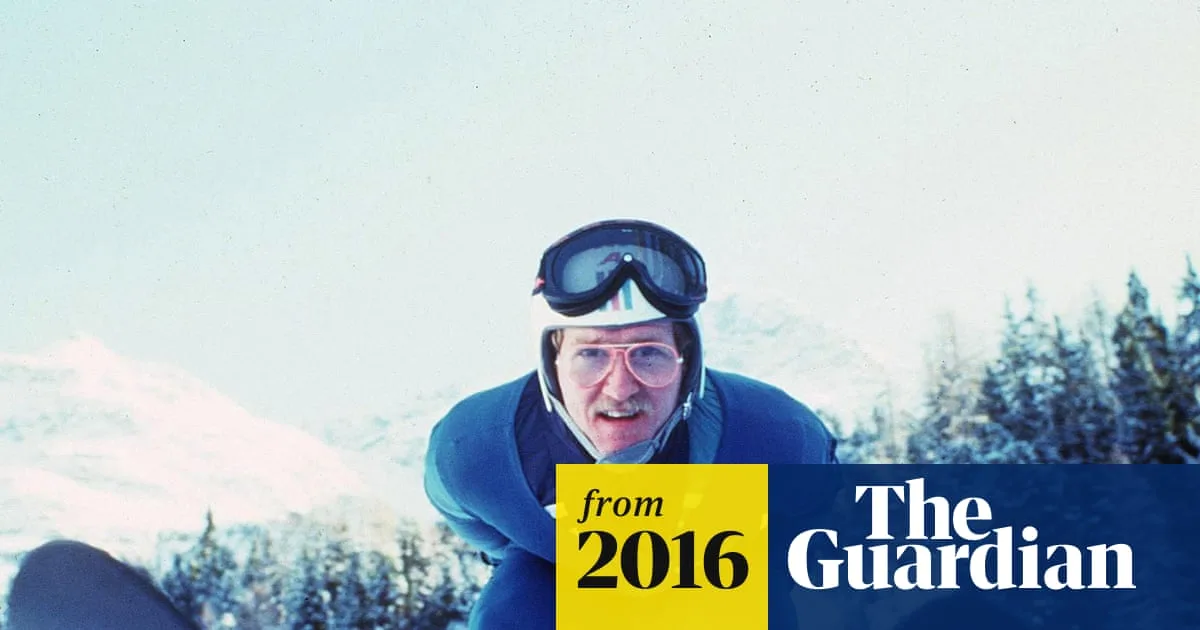
Eddie the Eagle remains an iconic figure from the 1988 Winter Olympics, celebrated for his spirited performances. However, the harsh reality of his journey to Calgary is a tale of extreme poverty and relentless perseverance that few fully appreciated at the time.
A Penniless Path to Glory
Michael Edwards, famously known as Eddie the Eagle, was a destitute "charity case" before his Olympic debut. To fund his ski jumping dream, he resorted to eating from bins and sleeping in his car, scraping together every resource to stay afloat. As Team GB's first ski jumper, institutional support was virtually non-existent, forcing him to rely on sheer ingenuity and grit.
Edwards, now 62, recounted these struggles on the BBC's Sport's Greatest Underdogs podcast. "I was scraping food out of bins," he revealed. "The more I could ski jump, the better I could get. Even if I had $100 left, I wanted to make that $100 last." His strategy involved minimal spending on basics like bread and milk, allowing him to extend his training for months despite the dire conditions.
Improvised Training and Survival
Facing daily charges to train in Lake Placid, New York, Edwards shoveled snow to waive fees. Without proper equipment, he sourced gear from lost property. To avoid starvation, he befriended a hotel chef, offering lawn maintenance in exchange for meals. These improvisations highlight the extraordinary lengths he went to in pursuit of his Olympic ambition.
Originally aiming for the 1984 Sarajevo Games as a downhill skier, Edwards pivoted to ski jumping upon realizing it offered a clearer path to qualification—simply because no other Britons were competing in the discipline. His dedication paid off when he qualified for the Olympics while working as a plasterer and staying in a Finnish mental hospital, a testament to his unconventional journey.
Olympic Fame and Financial Turmoil
At the 1988 Games, Edwards captured global hearts with his comically low scores and distinctive thick glasses under pink goggles, becoming an instant cult hero. His participation led to the "Eddie the Eagle Rule," which later restricted amateur entries, underscoring his unique impact. Financially, he skyrocketed from earning £7,000 annually to £700,000, with peak daily earnings reaching £65,000 from endorsements and appearances.
However, his fortune was short-lived. Appearance fees stored in a trust fund were lost when it collapsed in the 1990s, forcing Edwards into bankruptcy. He sued the trustees for mismanagement, settling out of court for approximately £100,000. Further financial blows came from a costly divorce, which led him to live in a garden shed and survive on sandwiches while developing his property.
Enduring Legacy and Resilience
Despite these setbacks, Edwards has remained in the public eye. The 2016 biopic starring Taron Egerton brought him around £180,000 in royalties, yet he faced ongoing tax issues, necessitating the sale of his Bedford flat. Reflecting on his losses, he told the Sunday Times, "I was just unlucky... I ended up losing 85 per cent. If you think about it too much, you get depressed, so I think, 'I made it once, I made it twice, I can make it three times.'"
Ultimately, Eddie the Eagle's story transcends monetary gains. His unwavering determination and embodiment of the Olympic spirit have cemented his special place in Winter Olympics history, inspiring countless underdogs worldwide.