British Horseracing Authority Mulls Escalated Protests Against Affordability Checks
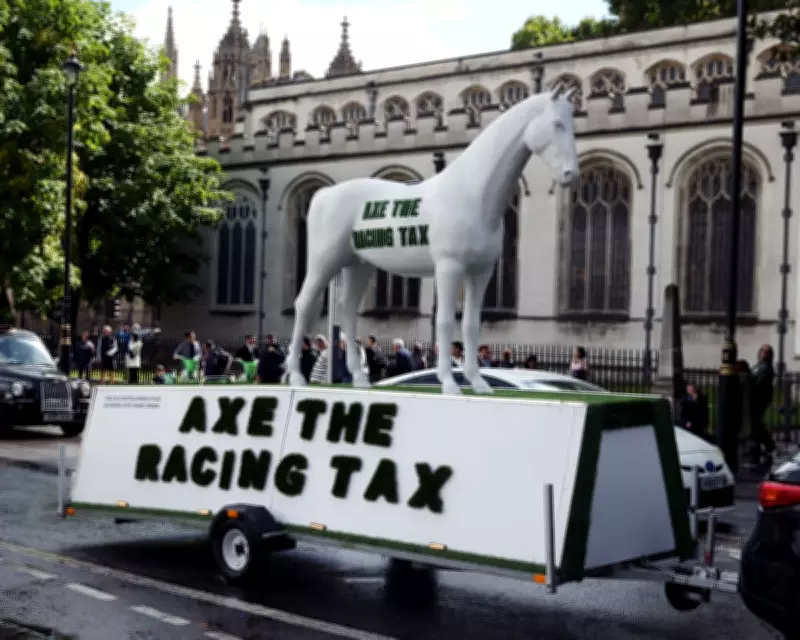
The British Horseracing Authority (BHA) is poised to consider more direct action protests as part of its ongoing campaign against government proposals to introduce affordability checks for gamblers. Chief Executive Brant Dunshea has indicated that the sport may adopt tactics similar to last year's 'Axe the Tax' campaign, which successfully pressured the government to abandon a planned increase in betting tax.
Direct Action Strategy Under Review
Dunshea revealed that while the BHA is not publicly discussing specific plans, direct action remains a viable option in their broader strategy. He highlighted the effectiveness of a one-day strike in September, which led to the cancellation of four race meetings and played a pivotal role in the government's decision to scrap the tax hike. This move, estimated to have saved the industry £330 million, demonstrated the power of unified industry lobbying.
The BHA's current focus is on opposing affordability checks that would require up to 120,000 regular gamblers to provide personal documentation to continue betting. According to research from the Betting and Gaming Council, these checks could drive up to 44,000 customers toward black market operators, costing tens of millions in lost betting turnover. Racing's betting turnover has already declined by £2 billion since 2021.

Concerns Over Inconsistent Pilot Schemes
Pilot schemes for affordability checks over the past 12 months have produced inconsistent results, heightening the BHA's concerns. Three different credit reference agencies were used in trials, sometimes yielding different outcomes for the same individual. Dunshea emphasized that any checks must be frictionless to avoid pushing punters toward illegal operators, who now account for 9% of the UK gambling market, up from 0.43% in 2020, with £379 million wagered unlicensed.
An open letter signed by over 400 racing figures, including trainers and MPs, has been sent to Culture Secretary Lisa Nandy, urging intervention ahead of the Gambling Commission's decision next month. Dunshea stated that while such methods are effective, direct action could be part of future campaigns to protect the sport's cultural and economic significance, which supports tens of thousands of jobs nationwide.
Surprise at RSPCA Comments on Horse Welfare
Speaking ahead of the Grand National meeting at Aintree, Dunshea expressed surprise at recent remarks from the Royal Society for the Prevention of Cruelty to Animals (RSPCA) regarding horse fatalities at the Cheltenham festival. The RSPCA described the death of four horses as inconsistent with the UK's status as a nation of animal lovers, a statement Dunshea found concerning and reminiscent of animal rights groups.
He noted that the BHA has invested £60 million in equine welfare over 25 years, reducing fatality rates to 0.22% of runners. Despite these concerns, Dunshea affirmed the BHA's commitment to maintaining a positive relationship with the RSPCA, valuing their contributions and ongoing collaboration on welfare issues.
The BHA continues to advocate for a balanced approach that safeguards both the industry's economic viability and animal welfare standards, as the debate over affordability checks and racing's future intensifies.