BBC Winter Olympics Coverage Achieves Record-Breaking Audience Numbers
The BBC has announced unprecedented viewing figures for its coverage of the Winter Olympics, as Team GB delivered their most successful medal performance in history. Over the course of the fortnight-long event in Milan-Cortina, British audiences were captivated by the sporting drama, resulting in a significant surge across all BBC platforms.
Team GB's Historic Medal Haul and Viewer Engagement
Team GB exceeded expectations by securing three gold medals, surpassing their previous best of a single gold. The medal tally included triumphs in skeleton, snowboard cross, and curling, with additional bronze in freeski halfpipe, bringing the total to five medals. This success translated directly into viewer interest, with the BBC reporting a television audience of 26.3 million people.
On digital platforms, the figures were equally impressive. The iPlayer service, BBC Sport website, and BBC Sport app recorded an unprecedented 83 million streams and over 44 million total streamed hours. Social media engagement reached new heights, with 235 million total views generated across the Winter Olympics coverage. A viral TikTok video of ski jumpers warming up alone garnered more than 6 million views.
Injuries and Emotional Moments Overshadow Competition
Despite the celebratory atmosphere, the Games were marred by several serious injuries that left fans and presenters emotional. Skier Lindsey Vonn suffered a fractured left leg after a crash just 13 seconds into the women's downhill event. In a separate incident, Austria's Jakob Mandlbauer sustained a serious neck injury when his bobsleigh overturned during the second heat, requiring hospital treatment.
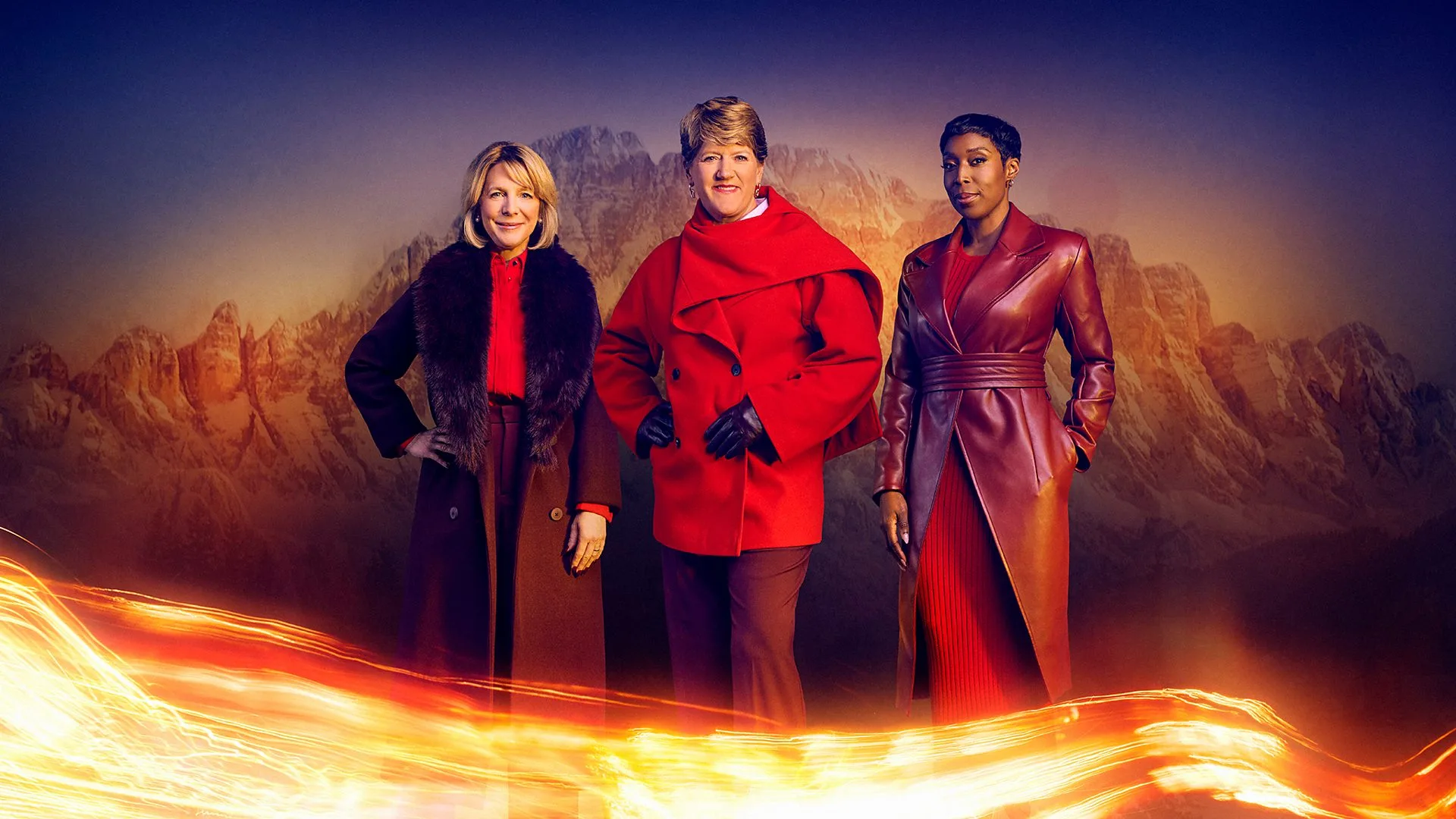
These moments were captured on air, with presenters including Clare Balding and a tearful Lizzy Yarnold reacting to the unfolding drama. The human element of these incidents contributed to the intense viewer engagement throughout the coverage.
Broadcast Controversies and Viewer Criticism
The record viewership came despite significant criticism of the BBC's coverage. Many viewers took to social media to describe the broadcast as "the worst ever" after a cross-country skiing race was interrupted before its conclusion. Others expressed broader dissatisfaction, with one commenter stating the BBC's performance was "their worst [at an Olympics] by an absolute mile."
A particularly embarrassing moment occurred when the BBC missed Matt Weston and Tabitha Stoecker's gold medal win in the mixed team skeleton relay. The main screen showed footage of Weston's coach while his critical push-off was only visible in a corner graphic. Although the broadcast came from the Olympic world feed outside BBC control, commentator John Hunt quickly apologized to viewers.
Official Response and Comparative Analysis
Alex Kay-Jelski, the BBC's director of sport, praised the coverage, stating: "From unforgettable human moments to technical sporting insight, BBC Sport didn't just cover this year's Winter Olympic Games, it delivered conversation and insight around them that got audiences talking and engaging more than ever." He highlighted the multi-platform approach that attracted both existing and new audiences.
The new statistics represent a substantial increase compared to the previous Winter Olympics in Beijing four years earlier, which recorded 31.4 million streams and a television audience of 26 million. This growth demonstrates the expanding reach of digital platforms alongside traditional broadcast media.
Despite the controversies, the BBC's Winter Olympics coverage ultimately succeeded in capturing the nation's attention through a combination of sporting excellence, emotional drama, and comprehensive multi-platform delivery.