Why Arsenal's Title Chase Faces Widespread Opposition and Criticism
In the current Premier League season, Arsenal's pursuit of the championship has sparked a surprising level of resistance from neutral football fans. Unlike the era when Manchester City, with Raheem Sterling at his peak, were viewed as inevitable champions, today's Arsenal side faces a different reality. They are seen as less certain contenders and, perhaps more notably, less popular among supporters outside their own fanbase.
The Resonance of Criticism
Following Arsenal's narrow 1-0 victory over Brighton, Brighton manager Fabian Hürzeler's critique of the Gunners' style of play struck a chord with many. Hürzeler questioned whether anyone truly enjoyed watching the match, suggesting that only die-hard Arsenal fans would raise their hands in approval. This sentiment appears to reflect a broader feeling in England, where few neutrals are excited about the prospect of Arsenal lifting the trophy for the first time in over two decades.
While successful teams often generate a degree of distaste, this backlash typically sets in after they have secured titles, as seen with Manchester United's dominance from 1993 to 2013 or Liverpool's from 1973 to 1990. However, Arsenal's last title win was in 2004, indicating that their current unpopularity stems from other factors.

Factors Behind the Backlash
Several elements contribute to the widespread desire for Arsenal to fail in the title race. Firstly, Manchester City's recent domination, with six titles between 2018 and 2024, has established them as the default champions in many minds. Fans of other clubs have already accepted City's success, often attributing it to financial advantages and unresolved Premier League charges for financial rule breaches, which City deny.
In contrast, an Arsenal victory would serve as a rebuke to other top Premier League sides, similar to Leicester City's triumph over smaller clubs. It raises the question: if Arsenal can win, why not Liverpool, Chelsea, or Manchester United? This dynamic fuels opposition from rival supporters.
Additionally, schadenfreude plays a role, amplified by social media. The pain of others, such as Tottenham facing relegation, provides entertainment in the Premier League's ongoing drama. A subsection of Arsenal fans, known for their sensitivity and obsession with perceived plots against the club, adds to this, with their frenzied anxiety offering comedic value to outsiders.
Perceptions of the Club and Playing Style
Arsenal's image as an establishment club further fuels the backlash. With supporters including Prime Minister Keir Starmer and former Labour leader Jeremy Corbyn, and their Emirates Stadium located in Islington, the spiritual heartland of New Labour, the club is associated with stereotypes of dinner parties and faux intellectualism. This perceived pomposity makes them an easy target for ridicule from fans of other teams.
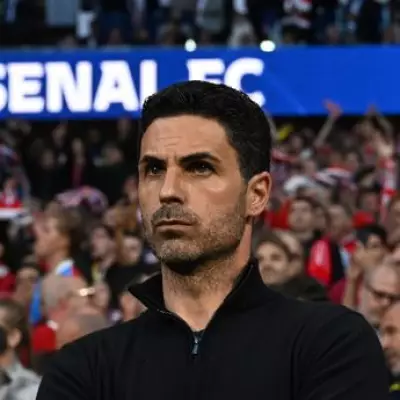
More critically, Arsenal's style of play under Mikel Arteta has drawn widespread dislike. While complaints about boring football are common, there seems to be a specific irritation with Arsenal's approach. Fans have cited statistics to argue their games are not unusually disjointed, but the perception remains. Arteta's pragmatic tactics, which may deliver the title, lack the aesthetic appeal of Manchester City's multi-pass moves that once culminated in Raheem Sterling's goals.
Arsenal's standard goal, often an inswinging corner headed in by Gabriel Magalhães, contrasts sharply with City's fluid attacks, making it difficult for casual observers to derive pleasure from their matches. Arsenal could argue that winning is paramount, with no marks awarded for artistic impression, but this approach comes at the cost of popularity.

Conclusion
In summary, Arsenal's title chase is marred by a combination of factors: the shadow of Manchester City's dominance, schadenfreude fueled by social media, perceptions of the club as part of the establishment, and criticism of their pragmatic playing style. While they may argue that victory justifies their methods, the widespread opposition highlights the challenges they face in winning over neutrals. As the season progresses, whether Arsenal can overcome this backlash and secure the title remains to be seen, but their journey is unlikely to be celebrated by many outside their loyal fanbase.