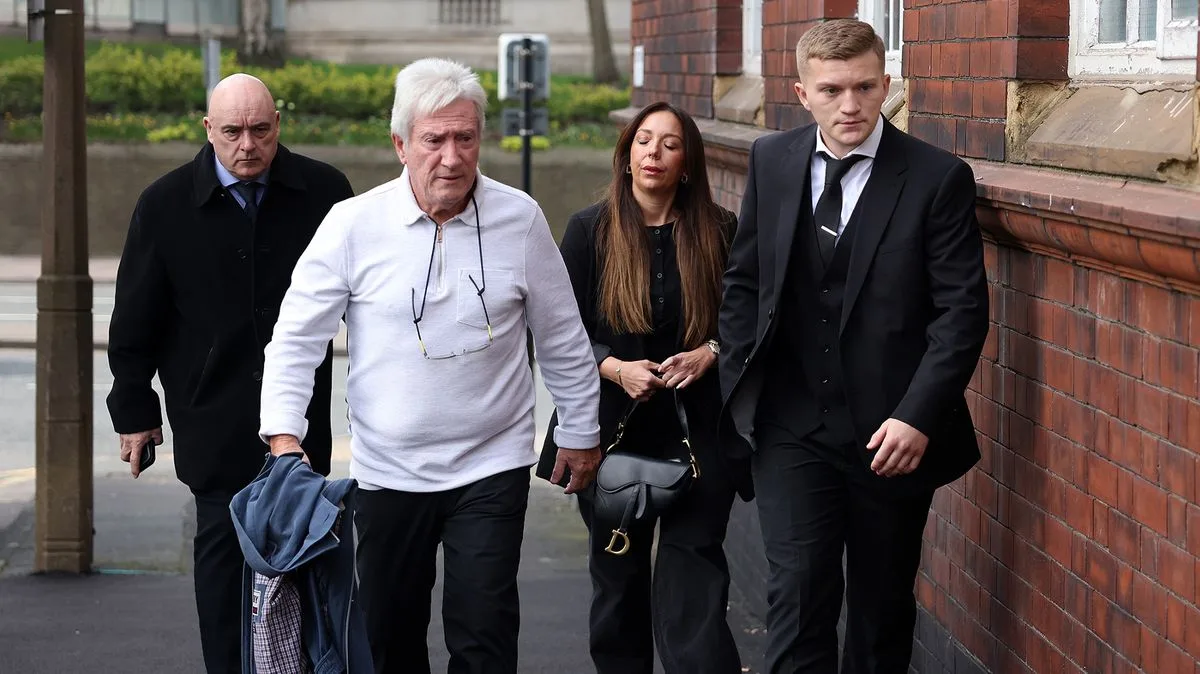
A coroner has recorded a narrative verdict at the inquest into the death of boxing legend Ricky Hatton, concluding that his intention to take his own life remains unclear. The former world champion was found unresponsive at his home in Hyde, Greater Manchester, on 14 September last year, aged 46. A pathologist recorded the cause of death as hanging, with no evidence to suggest suspicious circumstances.
The inquest at Stockport Coroner's Court heard that Hatton had been last seen alive by family members on 12 September, when he appeared well and took his daughters and granddaughter out for a meal. He was due to travel to Dubai the following day for an exhibition boxing match but failed to attend a scheduled engagement on Saturday 13 September. His long-term friend and manager, Paul Speak, found him unresponsive at the property on the Sunday morning when he arrived to take him to Manchester Airport.
Senior coroner Alison Mutch told the court that Hatton had made significant future plans and no notes were found indicating he intended to take his own life. She noted that he was under the influence of alcohol and that a neuropathological post-mortem found evidence of chronic traumatic encephalopathy, a brain condition associated with repeated head injuries. 'When I add everything together, I cannot be satisfied he intended to take his own life. Therefore, it is not possible in law for me to conclude suicide,' she said.
The coroner expressed sympathy for Hatton's family, describing him as a man who 'clearly loved his family very much' and whose family remained the most important thing in his life. She said his children 'miss him most of all' and that it was a 'tragedy' for his parents, as no parent ever expects to bury their child. Hatton's son, Campbell, has previously said he believed his father's death was not premeditated, and the family said Hatton was 'the best he had been for years' at the time of his death.
Hatton, one of Britain's most beloved boxers, retired in 2012 with a record of 45 wins from 48 professional bouts. His death prompted an outpouring of tributes from the sporting world. The Samaritans can be contacted free on 116 123, or by email at jo@samaritans.org.