Jai Opetaia's Zuffa Title Victory Ignites Boxing Power Struggle
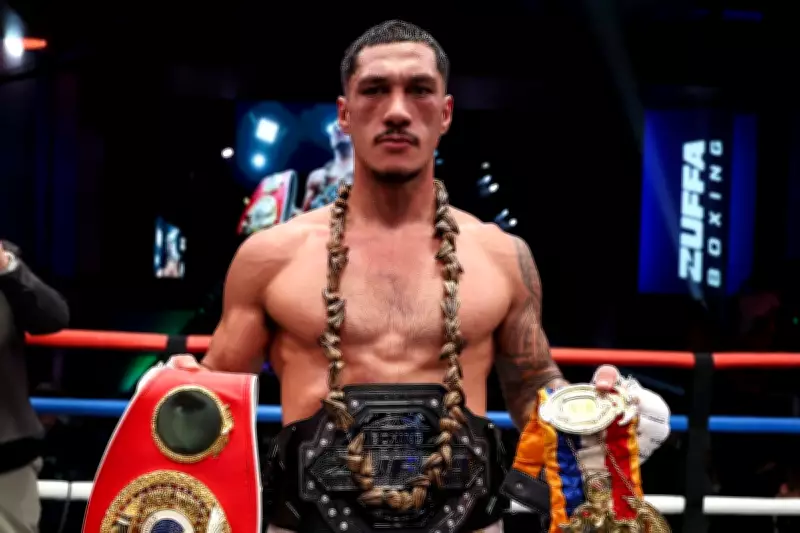
Jai Opetaia's triumphant week in Las Vegas has descended into chaos, signalling deeper troubles in a boxing war he never intended to join. The Australian cruiserweight secured the inaugural Zuffa Boxing championship on Sunday night, defeating Brandon Glanton on points over twelve rounds, but did so without the blessing of the International Boxing Federation (IBF), leaving his status as their champion in limbo.
Confusion Reigns Over IBF Sanctioning and Fees
The bout against Glanton was initially sanctioned by the IBF, with their administrator reportedly flown to Las Vegas only to depart before the fight commenced. Central to the controversy is an $80,000 fee the IBF allegedly received for its role as sanctioning body, a figure now embroiled in ongoing disputes. The IBF claims their belt was not displayed prominently enough during fight-week activities, leading them to refuse sanctioning—a move described by observers as "childish stuff."
Technically, the IBF never stripped Opetaia of their title; they simply declined to endorse this particular contest. This leaves the unbeaten fighter, with a perfect record of 30-0 including 23 knockouts, in a perplexing position as he holds both the new Zuffa belt and the prestigious Ring magazine championship.

Dana White's Aggressive Assault on Boxing's Establishment
Dana White, the driving force behind Zuffa Boxing and former UFC pioneer, has openly declared war on boxing's traditional sanctioning bodies. At his promoted events, he has refused seats to officials from the WBO, WBC, WBA, and IBF, launching the Zuffa belt as a direct alternative. Opetaia now stands as the first champion under this new banner, symbolising White's broader campaign to reshape the sport's power dynamics.
White's ambitions extend beyond mere symbolism; he has signed high-profile fighters like Conor Benn from Matchroom and vowed to challenge boxing's biggest promotional names. Backed by powerful allies and substantial financial resources, his approach is anything but covert. However, industry giants have countered by highlighting past controversies within the UFC, including a $375 million anti-trust settlement, underscoring the bitter nature of this escalating conflict.
Opetaia's Career Ambitions on Hold Amid Turmoil
For Opetaia, widely regarded as one of the world's best cruiserweights, this turmoil disrupts significant career aspirations. He has spoken openly about pursuing undisputed championship status at his weight class, potentially followed by a transition to heavyweight—mirroring the path of Oleksandr Usyk. Yet these dreams are now paused as behind-the-scenes squabbles over fees, respect, and credibility dominate the landscape.
The fight itself against Glanton was far from a classic, marred by fouls and point deductions for both fighters, though Opetaia dominated throughout. Critics note that despite his impressive record, Opetaia has not faced a top-15 cruiserweight contender in recent years, adding another layer of complexity to his standing in the division.
Broader Implications for Boxing's Future
Sunday night's events in Las Vegas represent more than just another title fight; they epitomise a growing battle for control over boxing's heart, mind, and financial future. As the IBF acted with perceived foolishness and Zuffa projected toughness, the sport lost one belt while gaining another, setting the stage for further trouble ahead.
This conflict highlights the fragile ecosystem of professional boxing, where sanctioning bodies, promoters, and fighters vie for influence in an increasingly fragmented market. Opetaia's messy week serves as a stark reminder that even the most talented athletes can become pawns in larger power struggles, with the road to undisputed glory now littered with bureaucratic and commercial obstacles.