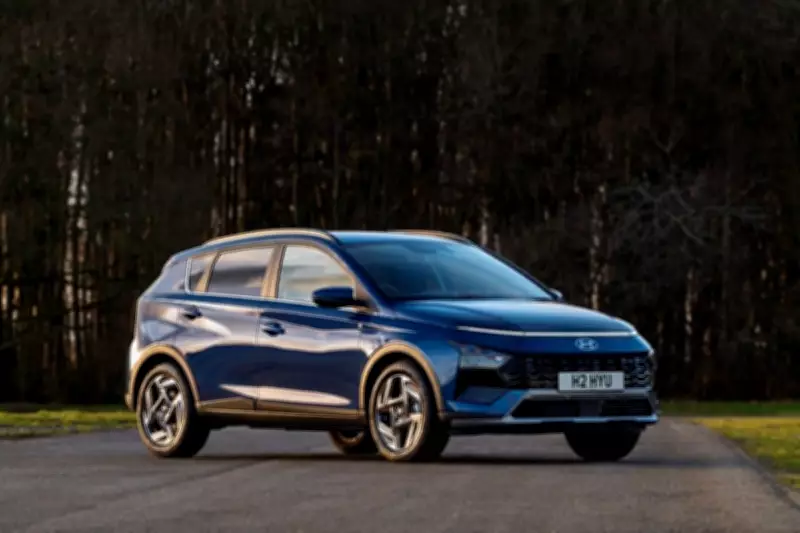
Hyundai Bayon 1.0T Tech Line: An Old-School Crossover Gets a Slick Modern Update
In a market increasingly dominated by electric vehicles, the Hyundai Bayon 1.0T Tech Line stands out as a refreshed petrol-powered compact crossover SUV that proves it can still compete. Discovered by Sean O'Grady, this nippy character may not be electric or hybrid, but it offers a compelling package with updated styling and respectable performance.
A Low-Profile Model Gains Attention
Apologies are in order, as even avid car spotters might have overlooked the Hyundai Bayon until recently. With a refresh and mechanical adjustments, this model has emerged from obscurity, though it maintains a modest presence compared to more high-profile vehicles. Launched in 2021 during an inopportune time, the Bayon has been overshadowed by Hyundai's bold electric range, including the impressive Ioniq 5 N and massive Ioniq 9. These battery electric vehicles demonstrate that electrification need not be dull, but the Bayon holds its own with fossil fuel efficiency.
Styling and Features: Modern Touches in a Petrol Package
The Bayon has received significant modernisation in its styling, both inside and out. Notable updates include a trendy "light bar" at the front, complementing the headlights, and distinctive zig-zag lights. Interestingly, Hyundai has removed the mild hybrid version, likely due to cost and weight considerations outweighing marginal improvements in fuel economy and emissions. Despite this, the Bayon's fuel economy and greenhouse gas emissions remain respectable by traditional standards.

Under the hood, the Bayon is powered by a three-cylinder 1-litre petrol engine, available with a manual or dual-clutch automatic transmission. Two trim levels are offered: the base "Black Pack" and the higher "Tech Line." The Black Pack includes smart black 16-inch alloy wheels, darkened windows, dual 10.25-inch displays, a rear-view camera, heated seats and steering wheel, and wired Apple CarPlay and Android Auto. Remarkably for 2026, it requires a traditional ignition key.
Tech Line Enhancements and Driving Experience
The Tech Line trim upgrades to 17-inch diamond-cut alloys, ambient cabin lighting, wireless Apple CarPlay and Android Auto, keyless ignition, and front parking sensors. The latter is a valuable addition given the high cost of bodywork repairs, making parking aids a worthwhile investment. On the road, the Bayon drives nicely with light steering, well-weighted brakes, and decent grip, ride, and handling. Its six-speed manual gearbox features fifth and sixth gears as overdrives, requiring active use to optimise the engine's performance. Weighing around a tonne, it feels quicker than it is, benefiting from light weight in an era of heavier SUVs.
Interior and Safety: A Blend of Old and New
Inside, the Bayon boasts bright digitised dials and a prevalence of old-school buttons, knobs, and dials for primary functions, which many drivers find appealing. The compact size places the driver close to the small touchscreen, enhancing usability and safety. However, one missing feature is a blind-spot alert on the door mirrors, a common driver assistance aid that would complement the Bayon's intuitive cruise and lane control system. Overall, the interior is practical and user-friendly.
Specifications and Verdict
THE SPEC
- Hyundai Bayon 1.0T Tech Line
- Price: £25,295 (as tested, starts at £23,795)
- Engine capacity: 1.0l petrol, 3-cyl, 6-speed manual
- Power output (hp): 90
- Top speed (mph): 108
- 0 to 60 (seconds): 11.9
- Fuel economy (mpg): 47.9
- CO2 emissions (WLTP, g/km): 134
In conclusion, the Hyundai Bayon 1.0T Tech Line is a worthy contender in the compact crossover SUV segment, competing with models like the VW T-Roc, Ford Puma, or Kia Stonic. Its refresh brings modern features and styling, making it a solid choice for those not yet ready to switch to electric. Fair's fair, this petrol-powered SUV deserves a second look in today's evolving automotive landscape.