Britons are being urged to keep at least three days' worth of food and water at home as part of a new Government drive to prepare the public for emergencies ranging from severe weather to cyberattacks.
The advice forms part of a nationwide "Be Ready" campaign encouraging households to build up basic supplies that could help them cope during disruption to power, communications, transport or essential supply chains.
Defence Secretary warns of cyber threats
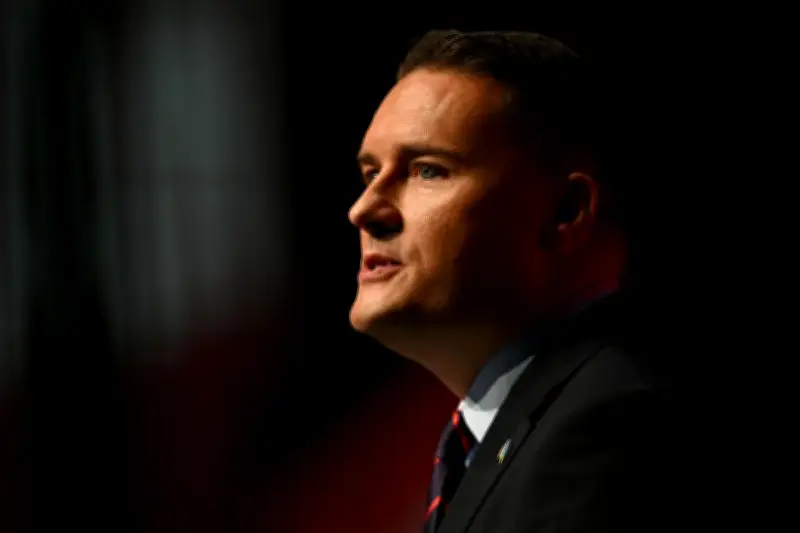
Launching the initiative, Defence Secretary Wes Streeting warned that increasingly sophisticated cyberattacks and global instability meant families should consider how they would cope if everyday services were suddenly unavailable.
Speaking in Shropshire on Friday, Mr Streeting said households and businesses should ask themselves whether they were prepared for disruption caused by "hostile state actors" or terrorists.
"How would we cope if the payment systems of the supermarkets went down?" he said.
"Those are the sorts of everyday challenges and threats we could well face, and it is right we ask the country to be ready for those things and ask everybody to do their bit."
What households should stockpile
The government's recommended stockpile includes:
- Bottled water for at least three days, around three litres per person
- Non-perishable food for three days, including tinned foods and dried foods such as rice, pasta, lentils, dried fruit and nuts
- Essential medical supplies and prescriptions
- Battery-powered or wind-up FM radio
- Fully charged power bank
- Torch and spare batteries
- Cash (notes and coins), bank cards and copies of passports and important documents
- Written list of key phone numbers
- Blankets, sleeping bags, warm clothing and hand sanitiser
- Wet wipes and other hygiene products
Under the guidance, households are advised to store enough bottled water and non-perishable food to last three days. The Government also recommends keeping a first aid kit, essential medicines, cash, copies of important documents, a charged power bank and a battery-powered or wind-up FM radio.
Families with babies are urged to keep stocks of formula milk, nappies and wipes, while pet owners are advised to have extra food and bottled water available for animals.
Grab bags and recent disruptions
Ministers are additionally encouraging people to assemble a "grab bag" containing essential items in case they need to leave their homes at short notice during an emergency.
The campaign follows a series of severe storms, wildfires and cyber incidents that have exposed vulnerabilities in critical infrastructure across the UK and Europe.
Security minister Dan Jarvis said recent weather events had demonstrated how disruption to power, water, phone and internet services could affect everyday life.
"The storms last winter and the wildfires this summer have shown how severe weather events can cause disruption to our everyday lives and impact the services we rely on," he said.
He added that when households are better prepared it reduces pressure on emergency services and allows first responders to prioritise the most vulnerable.
Government research suggests that only 13 per cent of people in the UK feel prepared for an emergency that could cut them off from services they rely on, while 84 per cent believe ministers should do more to share advice on preparedness.
The three-year campaign will be supported by advertising, social media messaging and partnerships with more than 500 organisations including local authorities, charities and community groups.
The guidance mirrors advice already shared in several European countries, where households are encouraged to maintain emergency supplies that would allow them to remain self-sufficient for at least 72 hours during a major disruption.