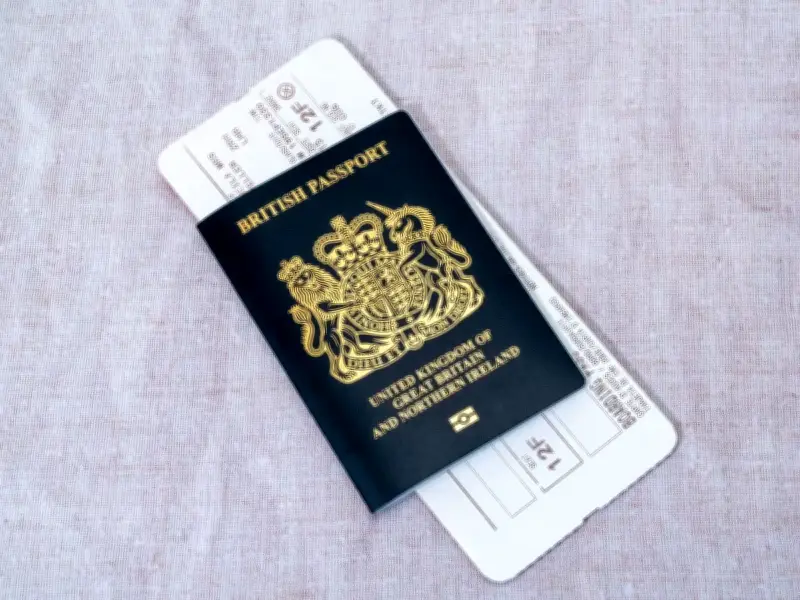
HM Passport Office (HMPO) has reminded applicants of a two-year rule that some may not be aware of: a referee must have known the person applying for at least two years and confirm their identity. The reminder was issued in a social media alert on X, formerly Twitter, on Friday.
Whether applying for a new passport for a child or an adult, most applicants will need someone to confirm their identity. This also applies when replacing a lost, stolen, or damaged passport, renewing a child's passport, or if the applicant's appearance has changed significantly.
Who Can Act as a Referee
According to GOV.UK guidance, a referee must be 18 years of age or older, reside in the UK, and currently hold a British or Irish passport. They must have been acquainted with the applicant for a minimum of two years. For a child under 16, this refers to the adult submitting the application. Referees must know the applicant as a friend, neighbour, or colleague, rather than someone they know purely in a professional capacity.
Referees must also be employed in, or retired from, a "recognised profession." The list includes accountants, airline pilots, bank or building society officials, barristers, dentists, engineers with professional qualifications, journalists, Members of Parliament, nurses (RGN or RMN), police officers, solicitors, teachers or lecturers, and many others.
Who Cannot Confirm Identity
There are also restrictions on who cannot confirm a person's identity. You cannot act as a referee if you're related by birth or marriage, in a relationship with the applicant, or live together. Additionally, you cannot confirm identity if you work for HM Passport Office, or if you work for UK Visas and Immigration (UKVI) on British citizenship or right of abode applications.
Doctors are also excluded, unless they know the person who has asked them well, for example, as a good friend. The full list of eligible professions and restrictions is available on the GOV.UK website.