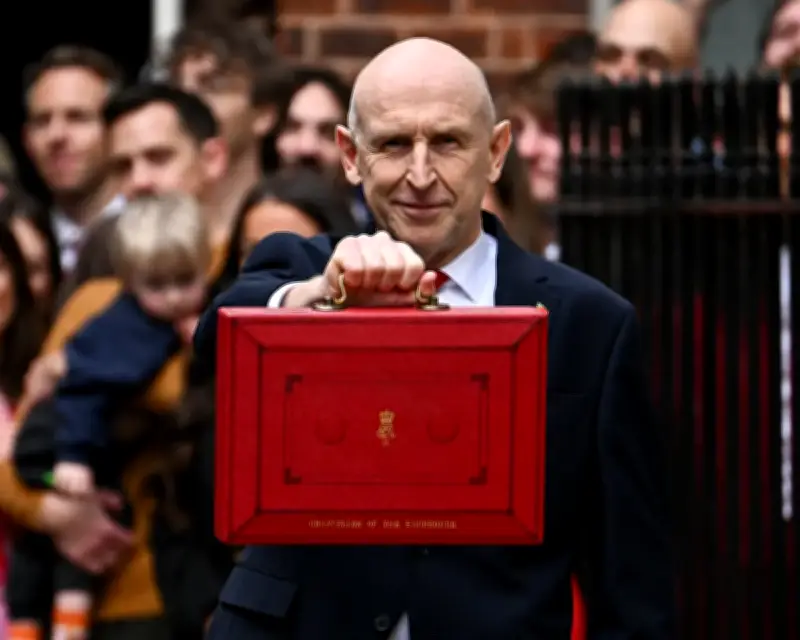
The October budget introduced a new expenditure category, the Preventative Departmental Expenditure Limit (PDEL), designed to ringfence funds for preventive policies. This move, while not a blockbuster budget overall, could mark a significant shift in how the government approaches public spending.
What is PDEL?
PDEL, pronounced P-Del, is a new category in the tax and spend framework. It is intended to protect budgets for policies that prevent future costs, such as tackling rough sleeping or early mental health support. The Treasury has indicated that departments will need to argue for individual projects to be considered preventive.
The impetus for this change came partly from Number 10, with figures like Andy Burnham advocating for spending more upfront to save the state money in the long term. This is a departure from traditional Treasury decision-making, which often focuses on immediate savings within individual departmental budgets.
Evidence Supporting Prevention
The thinktank Demos, in a 2023 paper introducing the idea, identified £22bn of costs to government that could have been averted by preventive programmes. Demos's chief executive, Polly Curtis, noted that "for decades, governments have talked about the importance of prevention, but the system has consistently rewarded spending on dealing with crises rather than stopping them from happening in the first place."
Gavin Kelly, chief executive of the Nuffield Foundation, which funds social research, pointed to improved data linking. He cited IFS studies showing Labour's Sure Start centres boosted children's education performance, increased future wages, and reduced hospital admissions. Kelly said, "Over the last decade, we've become more able to forensically link datasets across different aspects of services, illuminating how decisions in one public service can go on to impact other services and outcomes."
Implications for Spending Review
PDEL will have its own storyline alongside RDEL (day-to-day resource spending) and CDEL (capital investment) in Treasury documents. This separation, similar to the 1997 split of RDEL and CDEL, could allow for additional scrutiny and a new conversation about spending priorities.
However, the next spending review, which could take place as late as autumn, looks tough. The Institute for Fiscal Studies (IFS) has described it as "brutal" and estimates £27bn-worth of spending pressures. While PDEL may help bring longer-term thinking, it cannot solve the immediate fiscal squeeze.