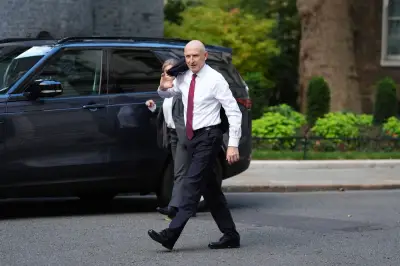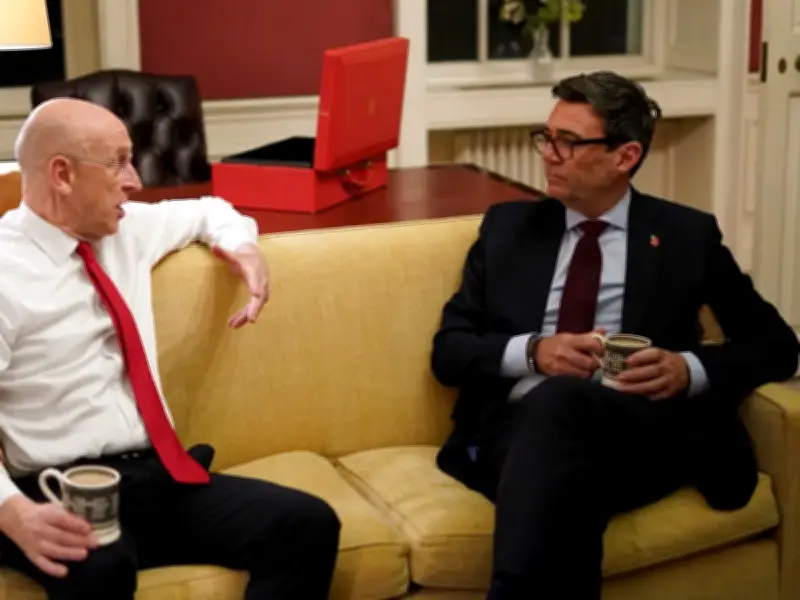
Chancellor John Healey will present the Autumn Budget tomorrow (Wednesday, October 28) in the House of Commons, setting out the government's plans for taxation and spending. The annual statement aims to tackle the cost of living crisis, with the stated goal to "move money and power out of Westminster, and into every postcode around Britain".
The government has already announced five "everyday fixes" intended to ease financial pressure on families, from reducing fuel costs to lowering import costs on food. Millions of households are expected to benefit as these changes come into force.
Who is John Healey and when is the Budget?
Mr Healey is the UK's Chancellor of the Exchequer, the chief financial minister responsible for growing the economy, raising revenue through taxation or borrowing, and controlling public spending. He oversees the Treasury, including UK growth and productivity, economic and fiscal policy, capital markets, and international defence.
He was appointed Chancellor on July 20, 2026, following Andy Burnham becoming Prime Minister. He previously served as Secretary of State for Defence from July 5, 2024 to June 11, 2026.
The Budget will be broadcast from 12.30pm on BBC iPlayer, following Prime Minister's questions.
What to expect from the Budget
The Chancellor has said the Budget will include plans "to give families and businesses a bit of breathing space" after price rises since the start of the current Israel/US conflict with Iran. He has also committed to meeting fiscal rules, controlling borrowing to lower inflation, and reducing long-term pressures on public finances.
The Financial Times has reported a possible 3.9% increase to the UK's National Living Wage, which could raise the hourly rate for workers aged 21 and over from £12.71 to approximately £13.20 starting next April.
Prime Minister Andy Burnham said: "We are taking on the big challenges facing the country. But that doesn't mean losing sight of the everyday problems that cost people money or simply aren't fair."
He added: "If you're a nurse driving for work, a parent spending those precious first weeks with your new baby, or an unpaid carer picking up an extra shift, these changes will make life a little easier and put more money back in your pocket."
What it means for Liverpool
The changes will lower everyday costs for people across Merseyside, from weekly shopping to supporting those who rely on cars for work. New measures will also extend support to new parents and address an "unfair cliff edge" that can penalise unpaid carers for earning more.
Metro Mayor Steve Rotheram will gain more flexibility and authority to invest in local priorities, along with a share of a new £285 million transitional seed funding pot. Liverpool, which has faced an acute homelessness crisis, will receive a share of a further £432 million commitment to offer those on the streets a route out before Christmas.