
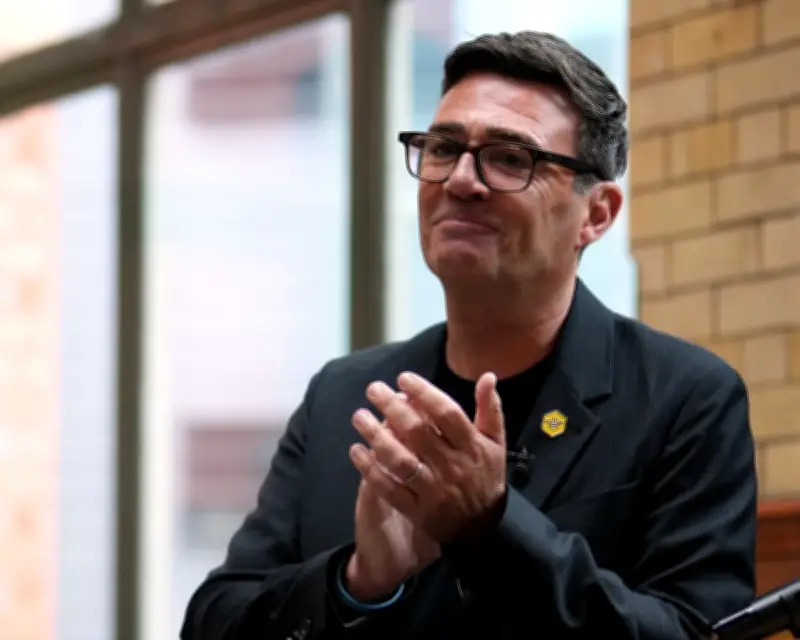
Andy Burnham is expected to become prime minister in less than two weeks, inheriting a bulging in-tray of challenges from Keir Starmer. From welfare and defence spending to immigration and AI, here are the key issues he will face.
Welfare Reform
Burnham will be in power when the final recommendations of the Timms review into disability benefits land. The interim report proposes radical changes to personal independence payments (PIP) and a more humane assessment process. PIP costs have surged since 2020 and are forecast to double by 2030. The new PM will face a rightwing opposition demanding cuts, especially for fluctuating mental health conditions like anxiety. Ministers have indicated their aim is not to make more savings but to stop the bill growing further. Overhauling the system without harming dependents or causing ructions with Labour MPs will be a tricky balancing act.
Defence Investment
Allies say Burnham accepts the defence investment plan committing £298bn to weapons over four years as “settled”, though it requires finding an additional £4.7bn at the next budget. Longer-term, he must find money to increase defence spending to 3.5% of GDP by 2035, as promised by Starmer. One option considered but rejected by Starmer’s officials was printing “defence bonds” – new debt for defence only.
Taxation
Burnham has promised to stick to Labour’s 2024 manifesto pledges of not raising income tax, national insurance, or VAT. However, he told LBC there is “some room within that manifesto for movement on tax”, sparking speculation about which taxes he may raise. He has talked about changing business rates to make large out-of-town warehouses like Amazon pay more and small high-street businesses pay less. Allies talk up the possibility of a significant rise in capital gains tax.
Immigration
Burnham plans to proceed with most of Shabana Mahmood’s proposed immigration overhaul, including extending the period for indefinite leave to remain (ILR) from five to 10 years and scrapping permanent refugee status. Mahmood, tipped to remain home secretary, may soften the ILR changes amid discomfort from Labour MPs about retrospective application. Other controversies include use of houses of multiple occupancy and military sites for asylum seekers, and continuing small boat arrivals.
Jury Trials
Burnham has publicly doubted plans to limit jury trials. Suspended Labour MP Karl Turner says Burnham has privately committed to scrapping them. However, this could provoke a backlash from female Labour MPs who back the changes to speed up criminal cases, especially those involving violence against women. Resigned ministers Jess Phillips and Alex Davies-Jones have argued for pressing ahead to avoid a growing court backlog.
White House Relations
Donald Trump has disrupted Starmer’s plans, including ringing Reform UK’s Nigel Farage to congratulate him when Starmer stood down. As Manchester mayor, Burnham barely featured on Trump’s radar, unlike Sadiq Khan, and has few embarrassing anti-Trump comments. Their first encounter may be at the G20 summit in Miami in November. Burnham plans to keep Jonathan Powell as national security adviser for continuity.
Middle East
Burnham’s first geopolitical move was an apology for Labour’s handling of Gaza, which alienated many supporters. He has promised to be tougher on Israel, including potential sanctions. But the Iran conflict and its economic fallout, especially after the fragile ceasefire’s disintegration, may be his first big international challenge. The UK public has yet to feel the energy crisis from a potential blockade of the Strait of Hormuz. Burnham will decide how much to contribute to any peacekeeping operation.
Europe
Starmer put closer ties with Europe at the heart of his attempt to stay in power, though Labour’s manifesto red lines on the customs union and single market tied negotiators’ hands. Burnham would have faced a crucial UK-EU summit to sign a food and drinks deal two days after entering No 10, but it was postponed due to turmoil. Burnham has previously said he believes the UK should return to the EU but distanced himself during the Makerfield byelection. He may focus less on Europe than Starmer.
Devolution
Burnham’s big change is likely to be significant devolution of powers to local mayors and authorities – from tax to education and transport. This “rewired Britain” was at the heart of his first policy speech since becoming Makerfield MP, termed “Manchesterism”. Labour’s English Devolution and Community Empowerment Act 2026 gives more powers to mayors, but Burnham suggests going further in Wales and Scotland. Opponents within Labour are uncomfortable handing powers to Reform UK mayors and those in London and the south.
Thames Water and Public Control of Utilities
Alongside devolution, Burnham’s biggest domestic policy intervention may be on utility ownership. He has promised to put the “essentials of life” under public control. The first test is Thames Water, whose creditors are trying to engineer a buyout. Environment Secretary Emma Reynolds wrote to Ofwat opposing the proposed deal. If no agreement is reached, the company may enter special administration. Burnham’s government must decide whether to buy it out, nationalise it, or let it return to the private sector with stricter regulation.
AI
Senior government members think AI will be the defining political challenge of the next two years. Burnham has said little, but reports suggest he is sceptical of some pro-tech positions taken by Starmer’s government. One immediate decision is copyright rules for AI companies using creative content to train tools. Starmer’s government proposed a blanket exception with an opt-out, but this faces heavy protest from artists like Elton John and Paul McCartney. Burnham must also decide how much to invest in building Britain’s AI capacity amid concerns about US dependency.
North Sea Oil and Gas
Labour promised not to issue new licences for North Sea oil and gas exploration, causing angst among fossil fuel companies and unions. Burnham is unlikely to break that promise, especially if he makes Ed Miliband chancellor. However, his government could approve the Jackdaw and Rosebank fields, which do not require new licences. A decision on Jackdaw is expected as soon as next month.




