JD Vance's Papal Critique Sparks Fears of US Catholic Schism
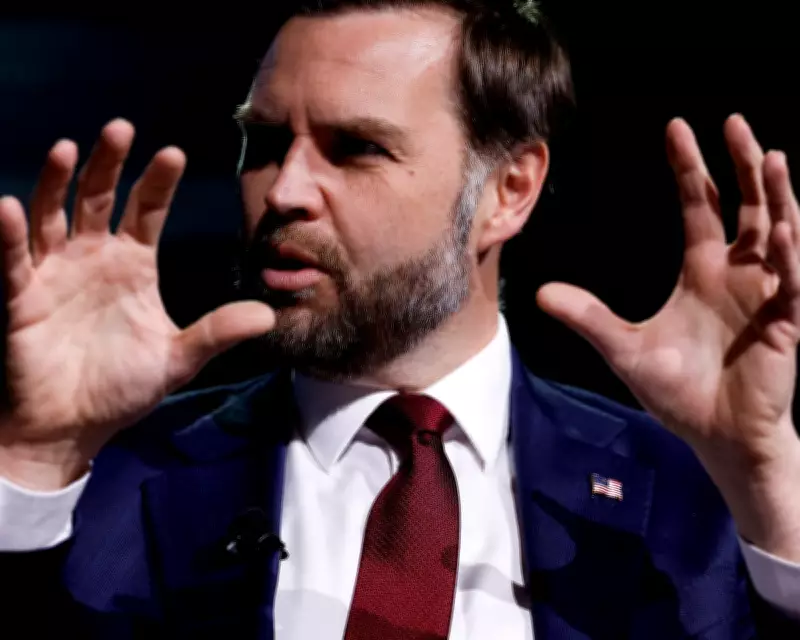
In a speech delivered in Athens, Georgia, on 14 April 2026, US Vice-President JD Vance made headlines by offering unsolicited theological advice to the Pope, raising alarms about a possible rupture between American conservative Catholics and the Vatican. The incident has fuelled speculation that the Trump administration's relationship with traditional religious institutions is reaching a breaking point.
A Vice-President's Theological Ambitions
Addressing a Maga-faithful conference, Vance asserted, "I think it's very, very important for the pope to be careful when he talks about matters of theology." This remark, from a politician whose own book on his journey to Catholicism is yet to be published, has been widely interpreted as a bold challenge to papal authority. Critics argue that Vance's comments reflect a broader trend of political figures overstepping into religious doctrine, with some drawing parallels to historical schisms.
The vice-president's intervention comes amid a complex backdrop of religious and political manoeuvring. Notably, his predecessor, Pope Francis, met Vance last year and passed away shortly after, though no direct connection has been established. This context adds a layer of intrigue to Vance's current stance, suggesting a fraught dynamic between the US administration and the Holy See.

Trump's Religious Identity Under Scrutiny
Vance's comments coincide with President Donald Trump's own controversial engagement with religious imagery, including posting an AI-generated picture of himself as Jesus on social media. This has prompted some Maga Catholics to question the depth of Trump's faith, with one disillusioned believer telling the Times, "I'm not entirely sure what that faith is... I get the impression that his understanding of the Bible is very limited."
The administration's approach to religion has been characterised by a blend of populism and personal branding, leading to concerns about the erosion of traditional religious values. Trump's historical comments on topics like abortion and personal morality have further alienated some conservative Catholics, who now find themselves grappling with the implications of supporting a leader whose religious bona fides are increasingly doubted.
Historical Echoes and Modern Tensions
This situation evokes historical precedents, such as the English Reformation, where a ruler's personal and political grievances led to a break with Rome. Observers note similarities in the current climate, with Vance's actions potentially paving the way for a modern American schism. The vice-president's behaviour has been compared to that of secessionist Catholics like Mel Gibson, who rejected post-Vatican II authority and established private religious enclaves.
Moreover, the Trump era has been marked by a series of warning signs that some fear could culminate in a religious crisis. From Vance's papal advice to Trump's divine self-portrayals and other administration figures invoking biblical references in unconventional ways, the cumulative effect is a growing sense of unease among faithful observers.
Broader Implications for Catholicism
The fallout from Vance's speech extends beyond immediate political reactions, touching on deeper issues within American Catholicism. Key points of concern include:

- Theological Authority: Vance's critique challenges the Pope's role as the vicar of Christ, raising questions about who holds doctrinal power in the modern era.
- Political Interference: The incident highlights the increasing entanglement of politics and religion, with potential consequences for church autonomy.
- Community Division: Maga Catholics are now facing internal conflicts, as some reconsider their alignment with a administration that appears at odds with traditional Catholic teachings.
- Global Relations: A potential break with Rome could strain diplomatic and religious ties between the US and the Vatican, impacting international policy and dialogue.
As the situation develops, many are left wondering if this is the beginning of a significant shift in American religious landscape. With Vance's book on Catholicism set for release in June, further controversies may arise, potentially exacerbating tensions. The coming months will be critical in determining whether this episode is a minor skirmish or the precursor to a historic schism.
Ultimately, the events in Athens serve as a stark reminder of the volatile intersection of politics and faith in contemporary America. Whether it leads to a lasting break with Rome or merely a temporary rift, the implications for both the Catholic Church and US political discourse are profound and far-reaching.