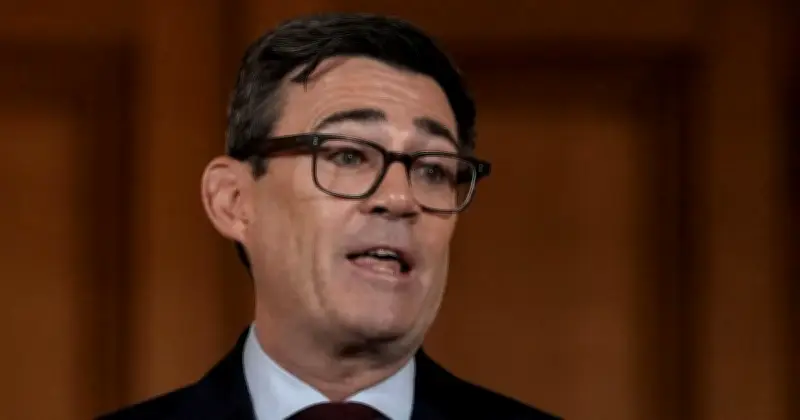
The Conservatives have said mayors should be given powers to cut taxes rather than only raise them, as Andy Burnham's overhaul of mayoral powers is set to give local leaders greater responsibility for money raised in their areas. The party suggested there will be "no new freedom" to use the tax system to put money back into residents' pockets.
Shadow ministers criticise Labour's approach
Shadow Chancellor Andrew Griffith MP said: "Labour are so repulsed by the idea that someone would want to give money back to a community, and not just to spend ever-more taxpayers money, that they have been caught giving the lie to genuine devolution by blocking the ability of mayors to cut taxes, not just raise them."
He added: "The Government must change course and give mayors the freedom to cut taxes."
Katie Lam MP, Shadow Local Government Secretary, said: "Andy Burnham's agenda for local government is a top-down approach which jacks up taxes without the freedom to reduce the burden on local taxpayers." She added that Labour "will never give mayors the power to let people and businesses keep more of the money they earn because they see taxpayers' money as the government's to spend, not people's to keep."
Government plans for mayoral funding
In July, the Government announced it would give mayors "a share of income tax revenues for the first time". However, when asked directly in Parliament this month by Conservatives, Labour ministers said the changes "will not give mayors powers to change the rates of income tax, business rates or council tax, which will continue to be set under the relevant existing arrangements."
Chancellor John Healey will use this Wednesday's Budget to hand mayors in England new funding and powers, including a £1.5 billion borrowing facility, as part of plans to move economic decision-making out of Westminster. Mr Healey said he will make the most of "untapped and wasted" potential in cities and regions outside the heart of British politics.
Local leaders are expected to be allowed to keep some of the additional revenues created by a stronger local economy, giving them an incentive to back pro-growth policies.