Prime Minister Confronts Political Crisis Over Ambassador Appointment Scandal
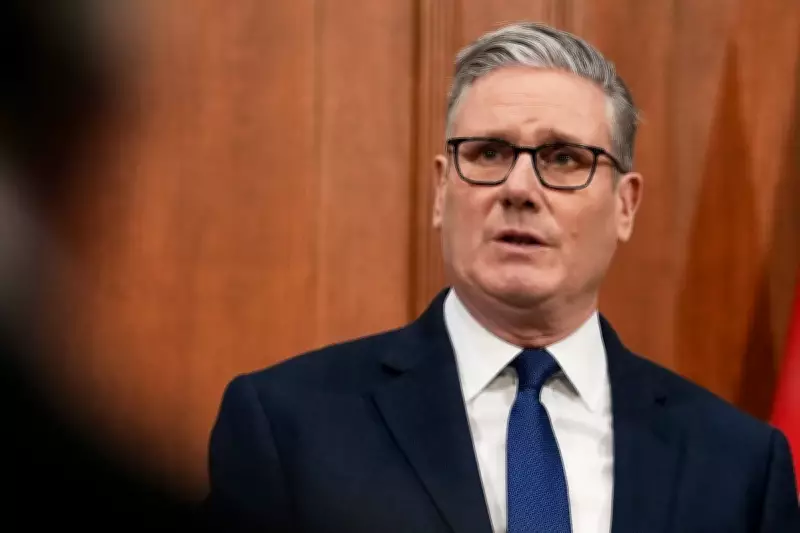
Prime Minister Sir Keir Starmer is confronting escalating demands for his resignation following explosive revelations that he was deliberately kept in the dark about Lord Peter Mandelson's failed security vetting. The Labour leader has expressed profound fury at not being informed about the critical security assessment before appointing Mandelson as ambassador to the United States.
Security Breach and Parliamentary Deception Allegations
Sir Keir Starmer has admitted he was completely unaware that security services had recommended against Mandelson's appointment when he assured Parliament that proper procedures had been followed. The prime minister described the situation as "staggering" and "unforgivable", particularly because he had publicly defended the appointment process while remaining ignorant of the security concerns.
Conservative leader Kemi Badenoch has spearheaded calls for Starmer's resignation, stating unequivocally that "if he has misled parliament, as it looks like he has, he should resign." The opposition argues that whether through deliberate deception or catastrophic incompetence, the prime minister's position has become untenable.

Downing Street's Contradictory Statements
Number 10 has issued contradictory statements regarding when officials became aware of the security concerns. Despite The Independent newspaper presenting evidence to Downing Street seven months ago that security services had rejected Mandelson's appointment, officials initially claimed vetting had been conducted "in the normal way." A spokesperson now insists that no one in the prime minister's office was aware of the security recommendation.
This contradiction has fueled accusations of a cover-up, with critics questioning how such critical information could bypass the prime minister and his closest advisors. The Foreign Office's role in overriding security recommendations has also come under intense scrutiny, particularly following the departure of Sir Olly Robbins, the department's most senior civil servant.
Formal Ethics Complaint and Ministerial Code Breach
The Liberal Democrats have formally reported Sir Keir Starmer to ethics adviser Sir Laurie Magnus for potentially violating the Ministerial Code. The complaint centers on Starmer's failure to inform Parliament immediately after learning about Mandelson's failed vetting, instead waiting until media reports forced disclosure.
Liberal Democrat Cabinet Office spokesperson Lisa Smart MP stated: "The Prime Minister failed to tell Parliament that he knew Mandelson had been denied vetting on Wednesday, presumably crossing his fingers and hoping the truth would not come out. What a shameful way for a Prime Minister to behave."
Internal Labour Party Dissent Grows
Within Starmer's own party, discontent is spreading rapidly. Veteran Labour MP Jon Trickett declared that "it simply doesn't sound credible for Keir Starmer to claim that he was unaware that Mandelson had been denied security clearance." The TSSA union, which is affiliated with Labour, has called for a leadership contest, warning that the party is "in danger of being irreversibly tainted" by the scandal.
Maryam Eslamdoust, general secretary of the TSSA, emphasized: "Keir Starmer's claim that he knew nothing about Mandelson's failed security clearance is a very hard sell to voters. It's clearly not good enough, and at the very least, Keir has lost control by presiding over such reckless conduct."
Historical Concerns About Mandelson's Background
Reform UK leader Nigel Farage expressed no surprise at the security concerns, referencing Mandelson's controversial history including his resignation from cabinet positions and connections to Russian oligarch Oleg Deripaska. Farage noted that these historical issues should have raised immediate red flags during the vetting process, questioning why they were apparently overlooked or ignored.

The scandal has revealed deeper questions about the appointment process for senior diplomatic positions and whether political considerations have been allowed to override national security protocols. Critics argue that Mandelson's appointment represented a fundamental breakdown in proper governance procedures.
Political Fallout and Leadership Crisis
As Sir Keir Starmer continues to insist he will not resign, the political damage continues to accumulate. The prime minister faces the dual challenge of convincing both Parliament and the public that he was genuinely unaware of critical security information while simultaneously maintaining authority within his own government.
Downing Street has repeatedly stated that Starmer will not step down, but the growing chorus of resignation demands from opposition parties, internal critics, and affiliated unions suggests the crisis is far from resolved. The scandal threatens to overshadow Starmer's international engagements, including his recent meeting with French President Emmanuel Macron to discuss security in the Strait of Hormuz.
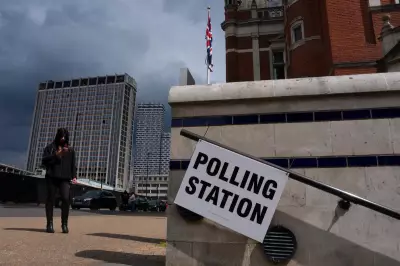
The Mandelson vetting controversy has exposed significant weaknesses in government communication protocols and raised serious questions about accountability at the highest levels of British politics. With local elections approaching, the prime minister's handling of this crisis will likely have lasting implications for his leadership and the Labour Party's electoral prospects.