
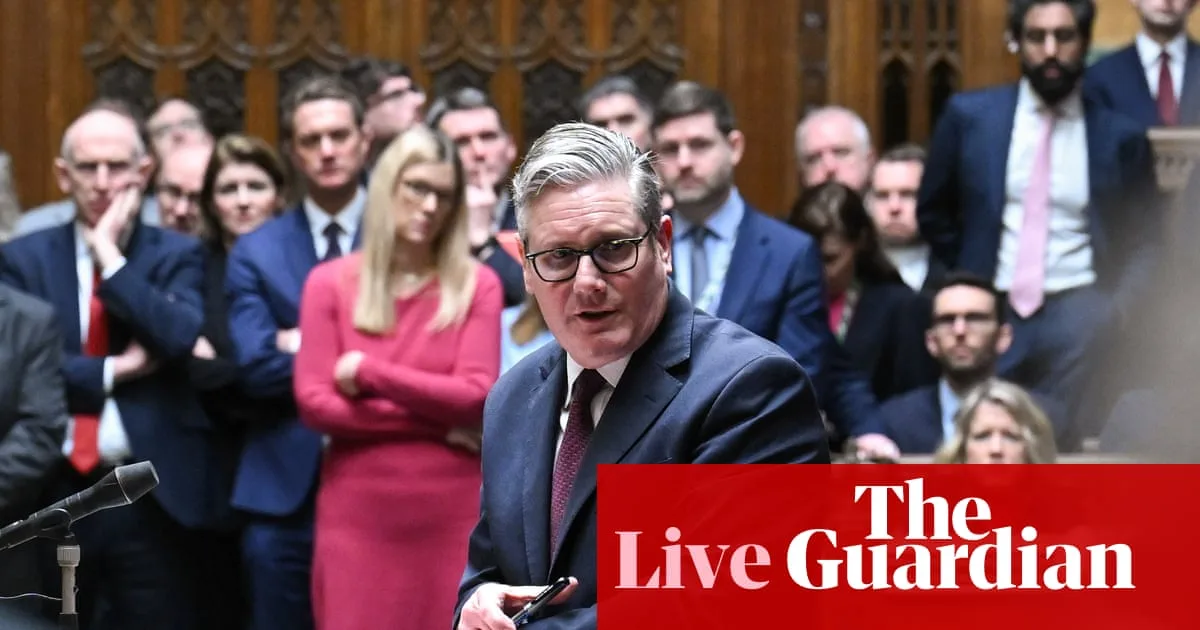
Sir Keir Starmer faced mounting criticism from MPs across the Commons during Prime Minister's Questions on Wednesday, as the government agreed to release documents related to Peter Mandelson's appointment as US ambassador to the Intelligence and Security Committee (ISC). The decision followed pressure from senior Labour backbenchers, including Angela Rayner and Dame Meg Hillier, after the government initially sought to retain the power to block publication on national security grounds.
Cabinet Office minister Chris Ward confirmed that the documents would not be released immediately but promised they would be handed over 'as soon as possible'. He stressed that ministers and Number 10 would have no political involvement in the process, with the Cabinet Secretary working alongside independent lawyers or referring sensitive material to the ISC for a final decision.
The Metropolitan Police have asked Downing Street not to release certain documents, arguing it could undermine their investigation. However, Commons Speaker Sir Lindsay Hoyle dismissed the Met's request, stating they have 'no jurisdiction' over Parliament.
During PMQs, Starmer acknowledged that he was aware when appointing Mandelson in December 2024 that the peer had maintained a friendship with convicted sex offender Jeffrey Epstein after his conviction. Separately, campaigners are calling for full transparency over Mandelson's links to the US tech firm Palantir, which holds UK government contracts worth over £500 million. Mandelson co-founded and part-owns Global Counsel, a lobbying firm that also works for Palantir.
The Cabinet Secretary, Sir Chris Wormald, is under pressure to disclose details of Mandelson's role in arranging a visit by Starmer to Palantir's Washington DC showroom in February 2025. During the visit, Starmer and Mandelson met Palantir CEO Alex Karp and viewed military technology. Seven months later, Karp signed a strategic partnership with Defence Secretary John Healey, and in January the Ministry of Defence awarded Palantir a £241 million three-year contract to 'boost military AI and innovation'.




