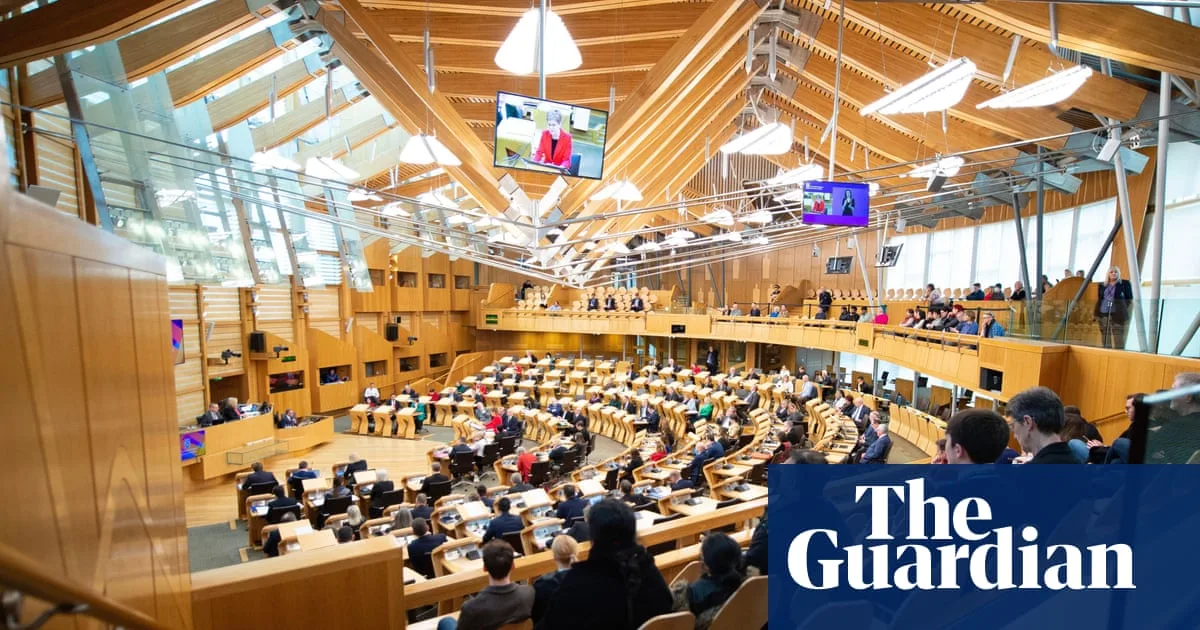
The Scottish National Party is facing criticism as a significant number of its female MSPs choose to step down before the May 2026 Holyrood elections. Fourteen SNP women, representing 23% of the party's current MSP group, have announced they will not stand again, citing a lack of support from the party, tolerance of bullying, and abuse both in the chamber and online.
Michelle Thomson, MSP for Falkirk East and a former Westminster MP, described politics as “generally very misogynist” and warned that the SNP cannot be complacent about internal mechanisms that fail to tackle inappropriate male behaviour, including bullying and sexual harassment. Elena Whitham, a former SNP minister, added that neither party nor parliament effectively support women when they encounter difficulties, leading to a loss of talented women.
Concerns extend beyond party dynamics to the Holyrood environment itself. One former party official noted that “bullying, booing and braying from the Tory benches” makes women feel unable to speak up, particularly on issues like LGBT+ inclusion. There are fears that the atmosphere could worsen if Reform UK wins seats or if former SNP MPs bring a more combative Westminster culture to the Scottish parliament.
Some women expressed anger over the decision to drop equal representation reforms introduced by former first minister Nicola Sturgeon, including all-women shortlists. The SNP said legal advice prevented such measures because a 50/50 gender balance was achieved in 2021. However, the approved candidates list for the next election includes only 42% women.
Thomson warned of “a very real risk that the SNP could take a significant step back in 2026”, pointing to a lack of diversity among approved male candidates. One prominent backbencher criticised the party for implementing all-women shortlists without addressing systemic misogyny, arguing that women were elected to a tough position without adequate support.