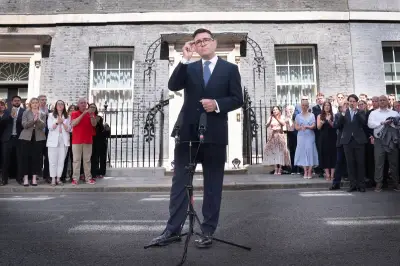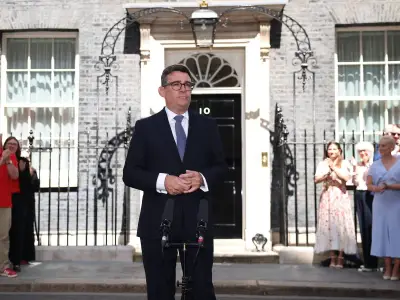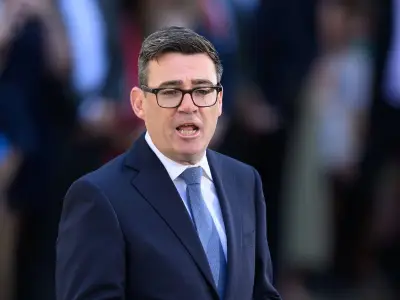
John Swinney has described Reform UK as an “acute threat” to Scottish self-government, warning that nationalist victories across Scotland, Wales and Northern Ireland could “irrevocably change” the UK’s constitutional dynamics. The SNP leader, who is on course for a fifth consecutive term in Holyrood, said a future Reform government might attempt to abolish the Scottish parliament.
Recent polling puts Reform, led in Scotland by former Conservative peer Malcolm Offord, neck and neck with Scottish Labour for second place. While the SNP enjoys a comfortable lead, Swinney acknowledged that low turnout and voter disengagement pose the biggest challenge to all parties. He stressed the need to impress upon voters “what’s at stake” in the upcoming election.
Although Reform’s Scottish manifesto does not propose abolishing Holyrood, it pledges to reduce the number of MSPs and introduce a mandatory ten-yearly review of devolution. However, the Scottish Election Study found that abolishing the parliament is the most popular constitutional change among Reform supporters, and support for that option has doubled among Conservative voters.

Swinney also highlighted the prospect of centre-left nationalist parties governing simultaneously in Scotland, Wales and Northern Ireland after 7 May. He said this would force the UK government to recognise the consequences of devolution, and confirmed that discussions with Plaid Cymru and Sinn Féin are already under way. “Three first ministers from nationalist parties would fundamentally change the UK,” he said.
When asked about collaboration on separation from the UK, Swinney replied that each part of the UK has the right to take its own decisions. He defended his engagement with Sinn Féin, noting the significance of the Good Friday Agreement and dismissing criticism as “ludicrous”.