
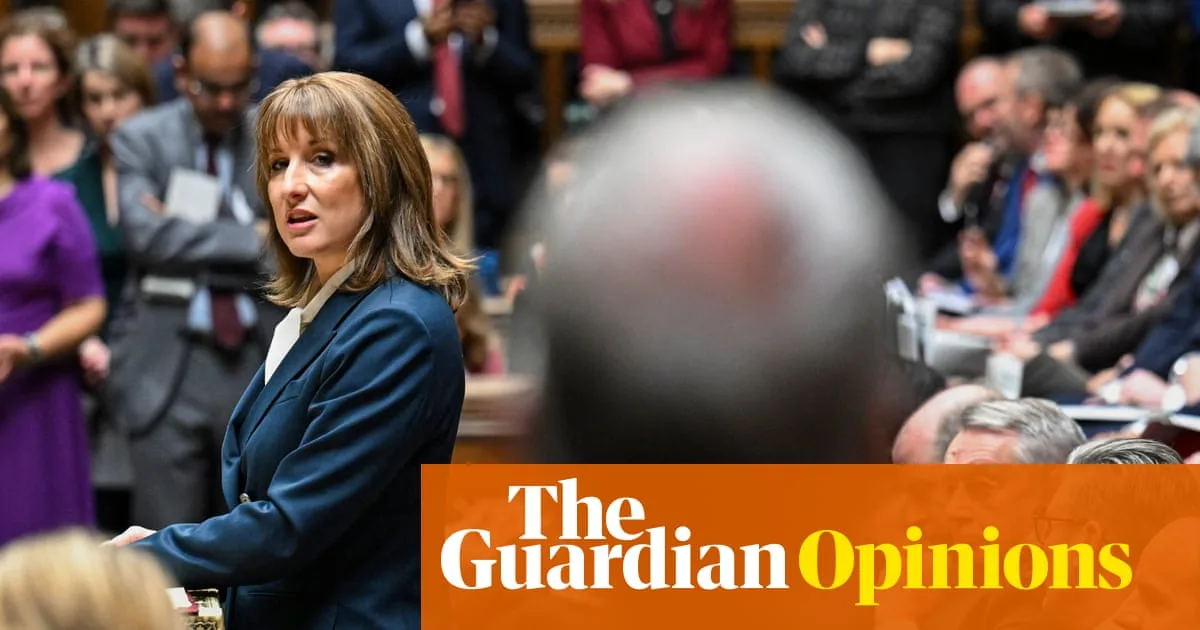
Chancellor Rachel Reeves' approach to the Budget has been marked by significant pre-statement turbulence, with policy announcements leaked ahead of time and an accidental release of the full Budget document by the Office for Budget Responsibility (OBR). The OBR posted the entire Budget on its website just as Prime Minister's Questions was beginning, prompting a visibly shaken Reeves to seek advice from junior Treasury minister Torsten Bell via text message.
Reeves had earlier indicated a planned increase in income tax of 2p at a press conference, only to reverse the decision a week later. The series of leaks and policy reversals have raised questions about the Chancellor's ability to manage fiscal messaging, with Labour backbenchers appearing weary during the subsequent Budget address.
Despite the chaos, financial markets remained calm, with borrowing costs falling. The OBR leak, it emerged, was the only leak for which Reeves was not responsible, as the rest of her statement appeared to be a rehash of previously disclosed measures, offering no new surprises.
In her Budget speech, Reeves attributed the decision to break a previous promise on freezing tax thresholds to the legacy of austerity, Brexit, and the Liz Truss premiership. She had raised £40bn in tax the previous year, and the rationale for the latest move drew on similar factors.
Shadow chancellor Mel Stride, who as a former work and pensions secretary increased welfare benefits to record levels, now advocates for cuts to those same benefits. The political backdrop remains fraught, with public sentiment still unforgiving over the Conservatives' 14 years in power.




