MPs have raised concerns that there will not be enough time to debate new laws on the legacy of the Northern Ireland Troubles, as the Government insisted the Bill was the “last chance to get it right”.
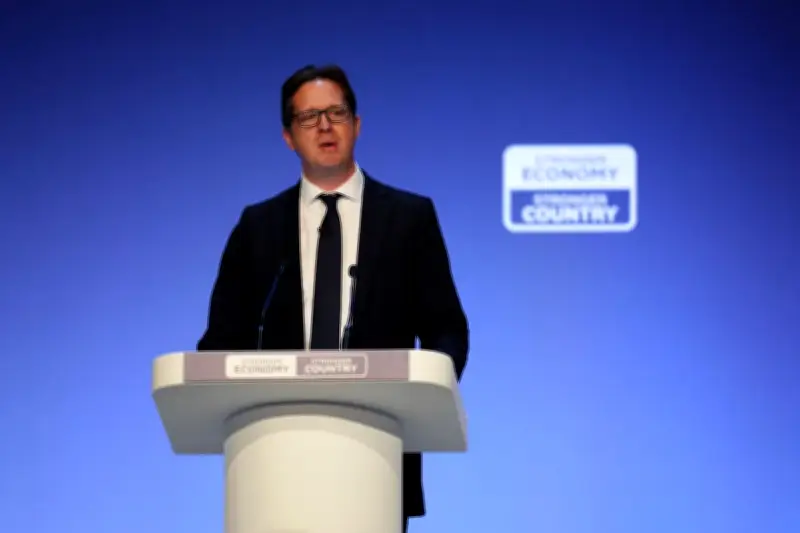
Shadow Northern Ireland secretary Alex Burghart said there would be insufficient time for “detailed” scrutiny of the Northern Ireland Troubles Bill and Democratic Unionist Party leader Gavin Robinson criticised how long had been scheduled.
Commons Debate Schedule
The Commons will debate the Bill on Monday and Tuesday, which will include giving the UK’s Attorney General a new role in deciding whether serious prosecutions related to the troubles should go ahead.
Earlier on Monday, Northern Ireland Secretary Sir Chris Bryant said the new laws would provide “greater clarity and consistency”.
Bill Background and Amendments
The Bill was first introduced to Parliament last year following agreement on a joint framework with the Irish government. Last week, the Government proposed 156 amendments to the Bill.
The Bill overhauls the previous Conservative government’s Legacy Act, which aimed to draw a line under the conflict and legal cases which have followed.
Opposition Concerns
Mr Burghart said: “I do think it’s important to put on record the opposition’s unhappiness with how committee stage is being handled.
“Whilst, of course, we do welcome a committee of the whole house which allows honourable members from Northern Irish parties to contribute, the amount of time set aside is wholly inadequate to the task.”
He added: “The consequence of the scheduling is that this House will have very little time to spend on detailed scrutiny.”
Mr Robinson intervened and said he “lament[ed] the fact that this democratic chamber will have much less of an opportunity than the House of Lords”.
Government Defence
However, Ms Owen replied the Government had tabled amendments with plenty of time and added the Government had set enough debates aside for it.
She said: “Almost three decades on from the Good Friday Agreement, the issue of the legacy of the Troubles remain unresolved. After many years of bereaved families being let down, this may be our last chance to get it right.”
She added: “More than a quarter of a century after the end of the Troubles, too many families are still waiting for the truth about what happened to their loved ones.
“Their grief has been prolonged by uncertainty and unanswered questions. We cannot accept that any longer. It is critical we move this Bill forward. And, to that end, I urge all members across the House to support this motion.”
Attorney General Role and Reactions
Sir Chris told the BBC Today programme that it was “really important” to get answers for families to outstanding Troubles cases.
He said: “I’ve met so many families in Northern Ireland, and for that matter families in Great Britain, who lost loved ones in that time and simply don’t know the ins and outs of what happened to their loved one.
“In some cases, they’re not even being able to get death certificates.
“It’s one of the things we’re putting right in the Bill.”
Some political parties and victims’ groups have criticised the amendment relating to the Attorney General.
Sir Chris said the new role for the Attorney General was a recommendation made by a committee in the House of Lords and House of Commons.
He added: “There are some instances where the event might have happened in Northern Ireland, that’s the vast majority, of course, of Troubles-related cases, but some happened in Great Britain, in particular in England.
“You might think of the M62 bombing or the Guildford pub bombing.
“It’s one of the things we’re doing in the Bill is we’re making sure that the prosecuting authorities in both countries, both in England and Wales, and in Northern Ireland, work together to produce joint guidance on how to deal with these issues.
“But then the final decision, once those two bodies have been consulted, will lie with the Attorney General.
“I just think that that provides greater clarity, consistency, across the whole of the piece.”
Greater focus needs to be put on building confidence in processes being established by the Government’s new legislation, Joe McVey, Commissioner for Victims and Survivors has said.
Members of the Victims and Survivors Forum in Northern Ireland will be at Westminster on Monday.
Mr McVey said: “Victims and survivors have waited a long time for meaningful progress in addressing the past.”
He added: “Their voices and experiences must remain central to the decisions being made.”