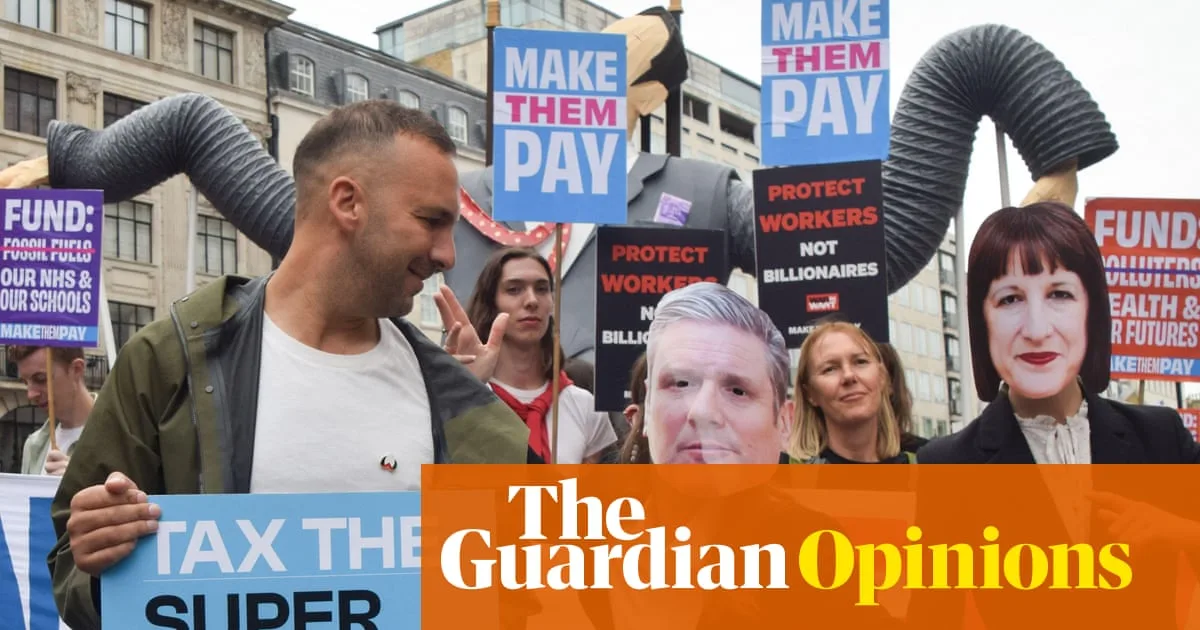
A leading economist has called on Labour to introduce a 2% annual wealth tax on assets exceeding £100 million, arguing that such a levy could help reverse decades of rising inequality. Professor Gabriel Zucman, author of the newly published book We Need to Tax Billionaires, says the tax should have no exemptions and could be implemented without waiting for international coordination.
Zucman's research highlights how the wealthiest 200 families in the UK now own assets equivalent to 22% of the country's GDP, up from just 5% in 1989. He argues that billionaires currently pay an effective tax rate of around 25% on their income, far lower than the 40-50% paid by most earners. A 2% levy on extreme wealth, he says, would be a fair and workable solution.
The proposal has gained traction among some Labour figures, with leadership contenders Andy Burnham and Wes Streeting hinting at support for taxing the wealthy. However, both remain cautious, amid media warnings that such a tax could drive billionaires abroad. Zucman counters that the UK could pass legislation treating long-term residents as tax residents for five to ten years after departure, preventing avoidance.

Supporters of the tax argue that multimillionaires and billionaires benefit disproportionately from state-funded infrastructure and a skilled workforce, and should therefore contribute more. They also note that a 2% tax on wealth above £100m would minimise the need for tax rises on middle and professional classes.
Labour has not yet committed to a wealth tax, but the debate is intensifying as the party seeks ways to fill a projected £30 billion fiscal gap. With inequality at record levels, the case for such a levy has never been stronger, according to its advocates.