
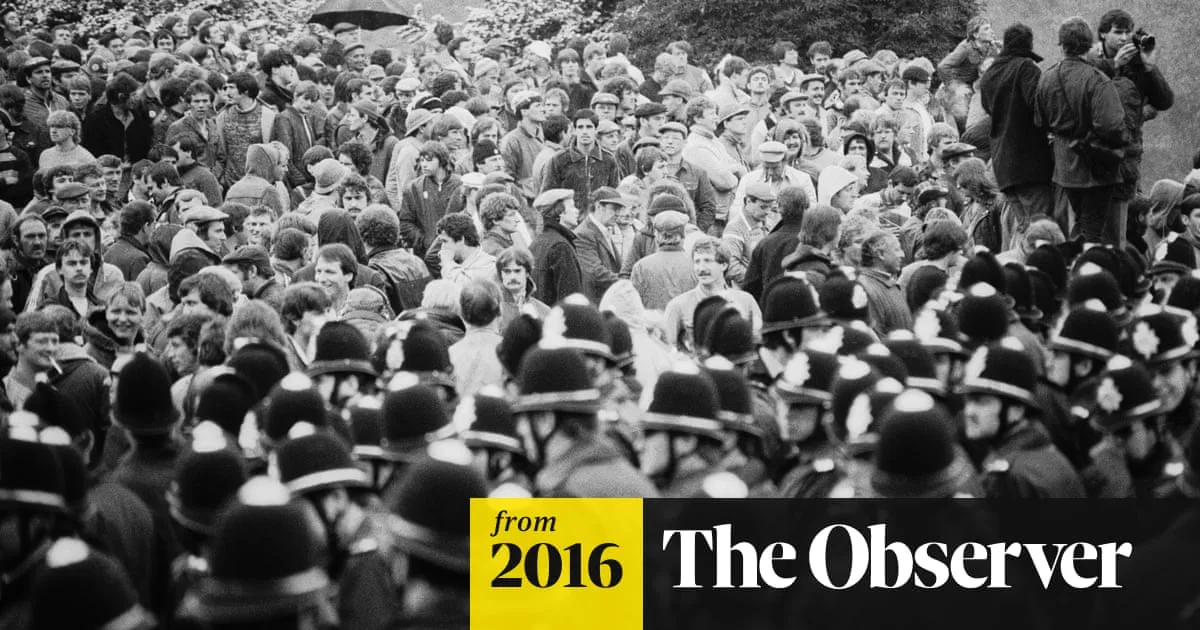
The Home Office has disclosed the existence of 30 secret files relating to the 1984-85 miners' strike, several of which concern the 'battle of Orgreave'. The revelation has reignited questions over what evidence Home Secretary Amber Rudd reviewed before rejecting an inquiry into the violence between police and miners.
Responding to queries from Yvette Cooper, chair of the Home Affairs Select Committee, Rudd confirmed the department holds 30 non-disclosed paper files on the strike and the clashes at the Orgreave coking plant in South Yorkshire. Last month, Rudd rejected the possibility of an inquiry into the Orgreave violence, a decision that dismayed campaigners and former miners.
Barbara Jackson, secretary of the Orgreave Truth and Justice campaign, said: 'We had no idea about these files; we thought they were all back with South Yorkshire police, had been sent to the National Archive or were with Margaret Thatcher's papers.' Cooper said: 'We now know the Home Office holds 30 files relating to the strike and that [many] are relevant to events at Orgreave. But we still aren’t clear how many ... the home secretary looked at before taking her decision to rule out an inquiry and how many of the files will now be made public.'
Cooper has requested the subject heading of each file and asked whether the Home Secretary or her officials reviewed evidence from the Independent Police Complaints Commission or South Yorkshire police before the decision. She has also written to both bodies to find out how much information about Orgreave remains unpublished. Cooper further asked what Cabinet Office documents relating to the miners' strike and Orgreave Rudd examined, including minutes of a 1984 meeting where Margaret Thatcher appeared to press then-Home Secretary Leon Brittan to speed up prosecutions of arrested miners.
After the Orgreave clashes, 95 miners were prosecuted for riot and unlawful assembly, offences carrying potential life sentences. Their trial collapsed and all were acquitted amid allegations of police collusion in court statements. The operation was led by South Yorkshire police, the same force criticised for its handling of the Hillsborough disaster five years later, where 96 football fans died.




