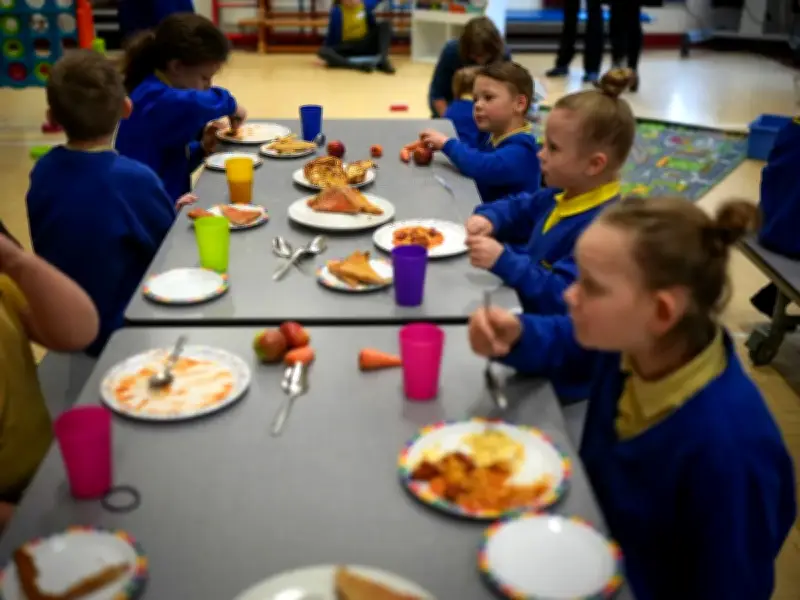
Chancellor John Healey is being urged to extend free breakfasts to secondary school-aged children with special educational needs and disabilities (SEND).
In its Budget submission to the Chancellor, charity Magic Breakfast said primary and secondary pupils in special schools are often grouped together based on their need, rather than their age. This means some classes contain younger children who are eligible for breakfasts, while older pupils miss out.
The submission, seen by The Mirror, added: "Extending the current scope of the policy to include these older pupils will prevent schools from having to make the unacceptable choice between excluding some children from free breakfast provision based on their age, or stretching their already tight budgets to support those children left out of the national programme."
Cost of the proposed extension
Magic Breakfast said such an extension of the breakfast programme would cost just £14.36 million over the next three years. The charity also called for the daily funding rate for primary-aged children with SEND in mainstream schools to be increased to match the rate provided for pupils with SEND in special schools. Primary pupils in mainstream schools receive £1 per pupil, while those in special schools receive £3.23 per pupil.
Magic Breakfast, which submitted its proposals in September, said this would cost approximately £7.7 million over the next three years, taking the total Budget demands to just £22 million. For context, Labour's manifesto, which pledged to roll out free breakfast clubs for all primary schools, committed £315 million for the programme.
Impact on inclusion and attainment
Natalie Dilworth, Head of Policy & Public Affairs at Magic Breakfast, said extending free breakfasts to more children with SEND will help the Government achieve its inclusion plans. She told The Mirror: "We think this is really important as a key funding ask as we can see the impact that breakfast has for children and young people. We see that in their attainment, in their skills development and in their behaviour.
"This could really shift the dial, particularly for this cohort of children and young people who face those higher access challenges because they have special educational needs and disabilities. We want every child to feel empowered, to be thriving, to feel nourished, and for us, this is a step that can support that."
Current breakfast provision
Some 680,000 primary school pupils are currently benefiting from breakfast clubs, which also offer at least 30 minutes of free childcare before the start of the school day. Magic Breakfast also provides support or delivers breakfasts to schools that are not part of the programme through charitable donations.
Alongside the free breakfast club programme, the Department for Education is also funding secondary school breakfast provision in a number of disadvantaged mainstream and special schools that were former participants of the National School Breakfast Programme (NSBP). Mr Healey will deliver his first Budget of the Burnham premiership next Wednesday 28 October.