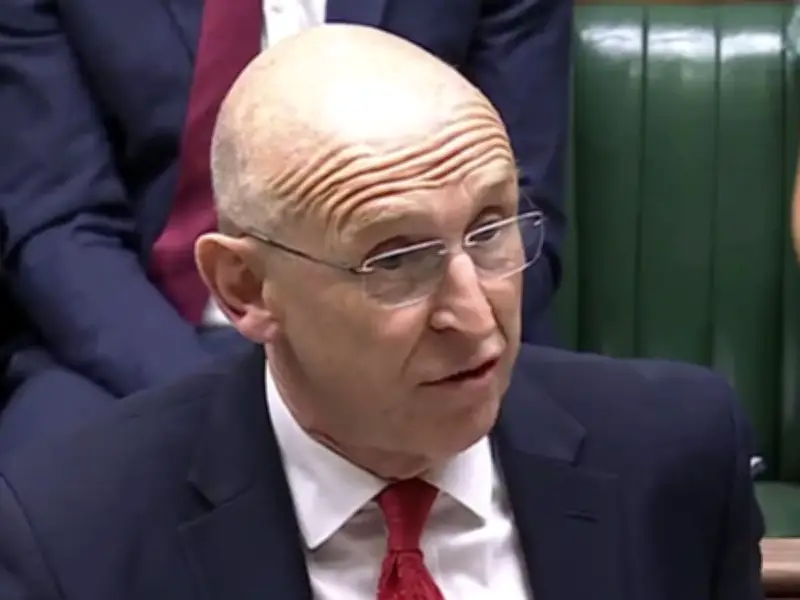
Chancellor John Healey has announced in the Budget that the VAT cut on domestic electricity bills will be extended until July, saving households £50 on the annual price cap set by energy regulator Ofgem.
The scheme, which removed VAT from domestic electricity bills, was introduced at the start of Andy Burnham's tenure as Prime Minister and was due to end at the end of March 2027. Mr Healey confirmed in the House of Commons that it would now continue.
Extension details
Mr Healey said the extension would run through the winter and spring to July, taking £50 off the annual price cap. He also announced a new scheme for businesses: the British industrial competitiveness scheme will reduce electricity bills by 25% for 10,000 firms at the heart of British industry. It will go live in April, with backdated payments for energy costs this year.
The Chancellor said the government would reform the country's energy sector to bring bills down in the long term, and reiterated the commitment to making the UK 'net zero' by 2050.
Budget priorities
Mr Healey described the Budget as being for “the working people of Britain, for British businesses, big and small”, and stressed it was built on “fiscal discipline” – meaning keeping government borrowing and spending under control.
He outlined three priorities: giving Britain breathing space on the cost of living and the cost of business, backing British enterprise to unleash innovation and growth in every postcode, and tackling the big challenges on energy, national security, public service transformation and housing.
Standing charges announcement
The announcement follows news that standing charges on gas bills would be axed. Martin Lewis, founder of MoneySavingExpert, who had been in No 11 on the morning of the fiscal statement, said on X: “I’ve just come out of a meeting with the Chancellor. The gas standing charge will be scrapped in 2027 (my guess, either for 1 Oct price cap or the 1 Jan 28 price cap). Having campaigned against the moral hazard of standing charges for years, I’m pleased.”
Mr Lewis noted the charge is currently £108 a year, with the cost shifted onto unit rates, and estimated the increase at just under 1p per kWh. He said the Chancellor would talk to Ofgem about removing the charge on electricity as well, but that it is 'trickier' and will take longer.
Mr Lewis said “about 60% of people will pay less due to this, 40% more”, with the dividing line “somewhere around 12,500 kilowatt hours of gas,” and called for support for vulnerable higher users who will have to pay more.