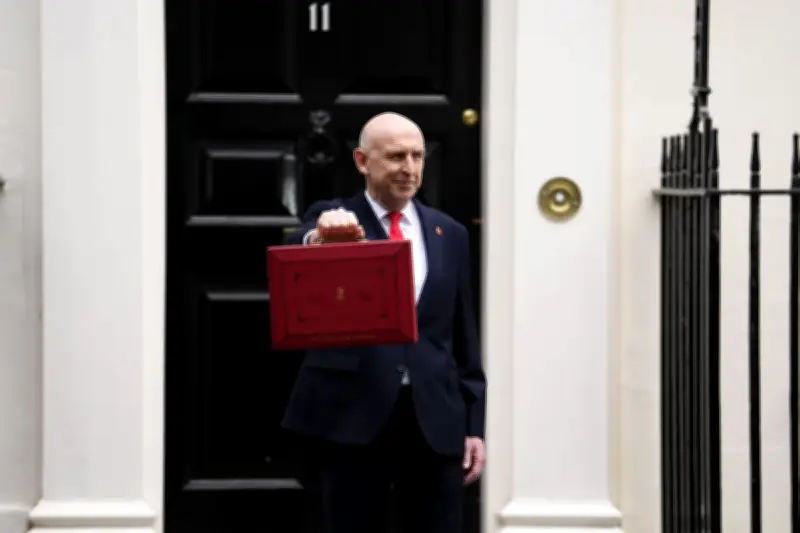
Chancellor John Healey has delivered his first Budget, promising support for "the working people of Britain" and announcing the scrapping of gas standing charges from 2027. The statement, made in the House of Commons on Wednesday, also confirmed that the Office for Budget Responsibility (OBR) has upgraded its UK growth forecast to 1.2% this year.
Key Announcements and Fiscal Stance
Just before 7am, it was announced that standing charges on gas bills, which cover the cost of delivery to homes and businesses, will be scrapped from 2027 "or as soon as possible after". This aligns with the Chancellor's promise of introducing some "breathing space" for households and businesses.
Opening his Budget statement at 12.42pm, Mr Healey said it is for "the working people of Britain, for British businesses, big and small", built on "fiscal discipline". He outlined three priorities: giving Britain "breathing space" on the cost of living and business, backing enterprise to unleash innovation and growth, and tackling challenges on energy, national security, public service transformation, and housing.
Economic Forecasts and Fiscal Rules
Mr Healey said he believes the UK will beat its economic forecasts with the action he is taking. He cited upgrades from the Bank of England and the IMF, and noted that the OBR has upgraded its forecast to 1.2% this year, followed by 1% next year, 1.6% in 2028, 1.8% in 2029, 1.7% in 2030, and 1.6% in 2031.
The OBR has confirmed headroom against the Government's fiscal stability rule is £15 billion in 2029/30 before rising to £22 billion in 2030/31. Mr Healey stated that fiscal discipline is his first commitment, saying: "More than ever, it underwrites every promise this Government makes to the British people." He confirmed he meets the fiscal rules, including the stability rule and the investment rule.
Isa Allowance Reversal and Reactions
Mr Healey is reportedly planning to reverse the decision to slash the annual Isa allowance from £20,000 to £12,000. The change, announced by former chancellor Rachel Reeves at the autumn budget last year, was set to come into effect in April 2027. According to the Financial Times, Mr Healey believes the allowance cut was the wrong tool to persuade Britons to invest more in stocks and shares.
Holly Mackay, chief executive officer of Boring Money, said the U-turn on Isa limits will be "hugely beneficial to the nation's overall financial health". She said: "If indeed the Chancellor reverses this change, I think that's a hugely positive move. This was going to add cost and complexity with little evidence of any behavioural change." Katie Horne, banks relationship manager at Flagstone, said: "We're continually told we don't save enough, and cutting the threshold would only have punished rather than rewarded those who do."
Reactions and Context
Prime Minister Andy Burnham said: "Abolishing gas standing charges is about basic fairness and giving people more control over their bills." The budget watchdog predicts the Government will spend £14 billion more on debt interest this year, with Mr Healey vowing "fiscal discipline" in the face of economic "storms" the UK must weather.
Mr Healey is sticking with the fiscal rules set by predecessor Rachel Reeves, requiring day-to-day spending to be financed by taxes rather than borrowing by 2029/30 and that public debt as a share of the economy should fall in the same year. He paid tribute to Ms Reeves earlier in his statement, noting it was an honour to deliver his first Budget as Chancellor.