The Department for Work and Pensions (DWP) has responded to questions from Welsh MP Liz Saville Roberts over changes to the Motability scheme's mileage allowances, confirming that additional support will be available for some customers from July 2026.
Motability allows some DWP disability benefit claimants to exchange their payments for a vehicle lease. In July, it was announced that the standard mileage allowance for those ordering a new vehicle would be reduced, with the yearly allowance cut from 20,000 miles to 10,000 miles.
MP's Questions on Rural Impact
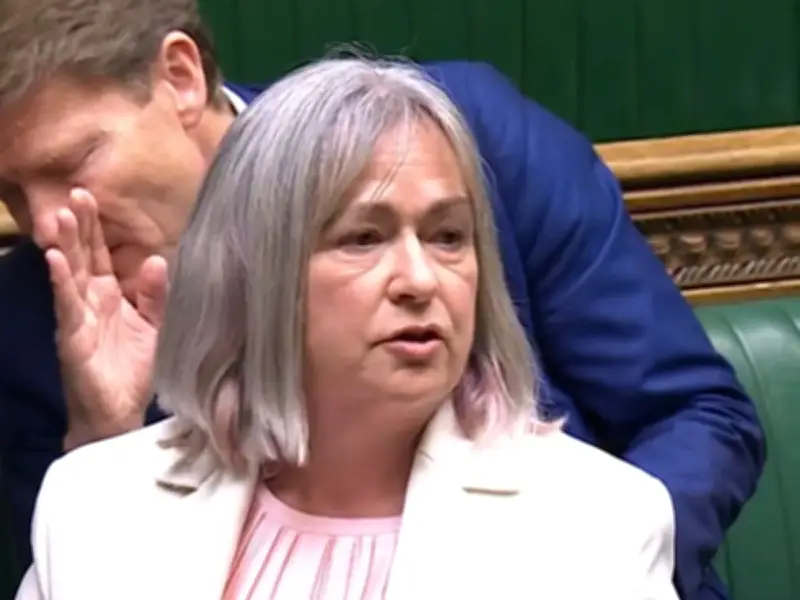
Liz Saville Roberts, a Plaid Cymru MP, asked what steps the DWP was taking to "ensure that Motability customers with high essential mileage requirements are not disproportionately disadvantaged by additional mileage charges." She also asked what discussions the DWP "has had with Motability on the potential impact of reduced mileage allowances on disabled people living in rural areas."
Sir Stephen Timms, a DWP minister, addressed both questions with an identical reply, according to parliamentary records.
Additional Mileage Support Announced
In his response, Sir Stephen said responsibility for the scheme's terms and administration sits with Motability Foundation and its Board of Governors. He noted that department officials and Motability meet regularly to review the scheme.
He stated that from 1 July 2026, customers needing significantly more travel than the standard mileage allowance for essential healthcare, education or employment journeys may be eligible for additional mileage support. Customers must demonstrate they require more than 3,000 miles a year for these purposes, with support applied to approved miles above that threshold through reduced excess mileage charges. Leisure and holiday travel is excluded.
Support can be requested when ordering a vehicle or during a lease, with eligibility assessed based on individual circumstances and supporting evidence.
Rural Areas and Scheme Background
The minister added that the scheme recognises that living in the most rural areas often means having to travel further to access everyday services, so it will provide 3,000 additional miles per year on leases for certain customers. Motability Operations has used data from national governments to identify areas with limited access to essential services, looking at typical travel time to services including grocery shopping, healthcare and education.
The Motability scheme is operated independently of government, and decisions about grants, eligibility, lease terms, mileage allowances and support arrangements are matters for Motability.
Motability Foundation states on its website that the charity was established in 1977. The programme, which is predominantly self-funding, was created to assist disabled people in financing their own transport. In 1978, ten individuals received the keys to their own vehicles. Today, about 915,000 people utilise Motability, according to figures.