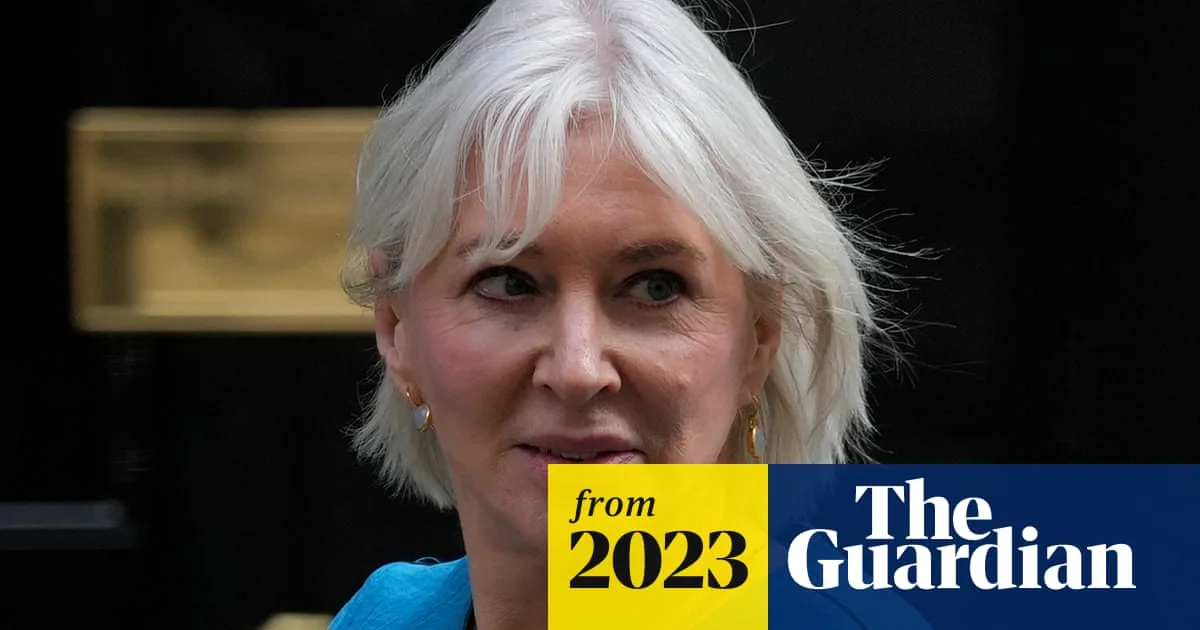
Rishi Sunak's relief that Nadine Dorries has finally stood down as an MP is tempered by fears of a difficult byelection and anger among Conservative backbenchers that her attacks will feature in Labour's campaign literature. The former cabinet minister resigned her Mid Bedfordshire seat on Saturday, accusing the prime minister of betraying Tory principles.
The byelection, expected in October at the earliest, poses a challenge for the government in what was an ultra-safe seat. Labour and the Liberal Democrats are hopeful of capturing it; if Labour overturns the 24,664 majority, it would represent the largest collapse in Conservative support in byelection history. Labour came second in 2019, while the Lib Dems came third.
Senior Tory MP Tobias Ellwood described the resignation as an “undignified chapter” and an episode of colleagues “throwing their teddies in the corner, in this case for simply not getting a peerage”. Defence minister Johnny Mercer said people were not interested in Dorries' latest “personal attack” on Sunak and that the party must move on from the Boris Johnson premiership.
Government insiders said Sunak is determined to press ahead with autumn plans to show people struggling with the cost of living that better times lie ahead. However, with inflation expected to rise again next month as the Tories gather for their party conference, he may struggle to convince voters the economy is on track. Backbench MPs continue to grumble about tax cuts, while ministers announce policing and criminal justice measures.
The Conservatives are still reeling from the loss of Selby and Ainsty in a July byelection. Dorries' absenteeism—she had not spoken in the Commons since June 2022 and last voted in April—could compound the Tories' challenge in Mid Bedfordshire. Her divisive exit, delayed to investigate why she was refused a seat in the Lords, may also harm the party's chances.