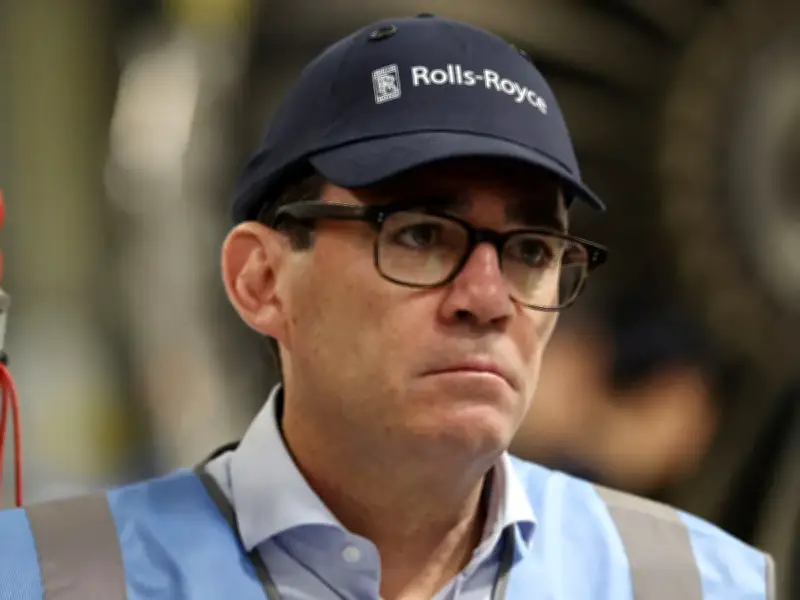
Prime Minister Andy Burnham has insisted the government is working flat out to curb spending on benefits but dismissed "crude cuts" that would leave people in crisis. Speaking after Chancellor John Healey's Budget, Mr Burnham said the priority now is supporting people into work.
Welfare reviews due next month
Chancellor John Healey set out a series of cost of living measures in his Budget but deferred any major reform of the welfare system until the publication of two major reviews next month. Ex-Labour Cabinet minister Alan Milburn is set to publish his recommendations on tackling the almost one million young people not in education, employment or training, classed as 'Neets'.
DWP minister Sir Stephen Timms will also present his findings on his review of Personal Independence Payments (PIP), the main disability benefit, after branding it "not fit for purpose". His work was launched after ex-PM Keir Starmer was forced to rip up plans to slash billions from PIP payments in 2025 after a major Labour rebellion that severely weakened his authority.
No timeline for welfare cuts
Asked by reporters on Thursday whether he could confirm benefit spending would be reduced by the next general election, which must take place by 2029, Mr Burnham replied: "We want to get the welfare bill down as quickly as possible."
"And we're working flat out to that end. Now that we are through the Budget, the big next priority in front of us is the publication of the Milburn report - long awaited - but it's coming soon."
Pressed again for a timeline on his plans, the Prime Minister added: "We're working hard to cut the welfare bill as soon as we possibly can. But we're doing it in a way that supports people into work."
Mr Burnham also rejected "crude cuts", saying during a visit to a Rolls-Royce factory in the East Midlands: "If we just went and made crude cuts, in the end that leaves people in crisis, and you spend more public money somewhere else."
Welfare spending projections
According to the Office for Budget Responsibility (OBR) forecasts published alongside Wednesday's Budget, welfare spending is set to rise this year by £19billion (5.7%) to £353million in total. It is then projected to increase by £16billion each year before reaching £431billion, or 11.3% of GDP, by 2031-32.
The OBR said the increase was largely down to health-related benefits and spending on pensioners, which includes the state pension currently protected by a triple lock. The triple lock, which Mr Burnham has proposed tweaking after the next election to fund his vision for social care, means the state pension increases by the highest of 2.5%, inflation, or earnings growth, each year.
Earlier, the Chancellor also told Good Morning Britain the government would be "tough" on young people who fail to take up the government's offer of support. Pressed on the almost one million 'Neets', Mr Healey told the broadcaster: "Instead of just saying to people how much do we pay you? And then putting them onto one side, we'll say what support do you need? We'll get you into work."
"We'll expect you and require you to take up the opportunities that we offer. And that's the way that we'll bring down the benefit bill. We did this before. I've been around for a while."
"We did this when the last Labour government was first elected at the end of the 90s. We had huge youth unemployment then. In our area of South Yorkshire it was one in five. We did exactly the same there."
He added: "Tough on those who weren't prepared to take up the offer, but also real support and advice that said to the young people then, as we must do now, 'you have real potential'. We want you to work, we want you to realise that potential and me as Chancellor, I want them contributing."