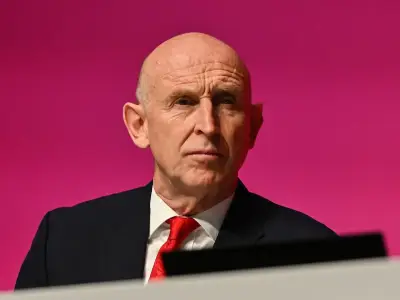
Prime Minister Andy Burnham has defended the £100 energy support payment as “real help” for households when they “need it most”, pushing back against criticism that the measure will barely dent soaring bills.
The payment, announced in the Budget, will be made to households in council tax bands A to D in January at a cost of £2.6 billion. Campaigners and think tanks have described the support as badly targeted and too small to protect households from the energy cost rise predicted for January.
Criticism of the Payment
The left-leaning Resolution Foundation think tank said the support was “a terribly, badly targeted kind of support”, noting that “there are lots of people who are doing OK who probably can manage without that money, and probably need to manage without that money if we’re going to support the people we need to support at a time when we don’t have a lot of money to throw around in the first place”.
The End Fuel Poverty Coalition said the £100 payment would “barely dent” the predicted rise households face in January and that “because it is paid directly into household accounts in England, it may not even be spent on staying warm this winter”.
Prime Minister's Defence
Asked about the criticism during a Thursday visit to a Rolls-Royce factory in Derby, Mr Burnham said: “We’re very focused on giving families as much breathing space as we possibly can.
“Often with a budget, people would have come home from work and said, ‘Well, this doesn’t help me. It’s always for somebody else’.
“Well, if you’re going to give that support to people in council tax bands A to D, that gets to the vast majority of the country.
“It is help, real help that will land in people’s bank accounts in January.”
He also said ministers were “constantly” working to ease the cost of living, pointing to other announcements. He said: “We’re doing more beyond that.
“We’ve taken VAT off electricity bills, which will help people; £2 cap on bus fares next year and we’re going to take standing charges off gas bills.
“So, the idea that I’m building out here is we just do a step here, a step there, constantly doing what we can to take pressure off families.
“But 20 million British households getting support with that council tax rebate early in the new year, I think it will really help people just when they need it most.”
Distribution and Impact
Chancellor John Healey announced in Wednesday’s Budget that the VAT cut on electricity bills was to be extended to July, and gas standing charges are to be shifted to unit rates, with similar reforms to follow for electricity bills.
Ofgem’s price cap rose by 3.6% to £1,723 for a typical household on October 1, with a further rise of about 22% forecast in January. The Resolution Foundation said the Budget’s policies would not prevent energy bills from jumping above levels seen during the last energy shock.
Typical annual energy bills are expected to reach £1,750 after Government support in 2026-27, compared with £1,685 paid during the 2022-23 energy price jump after Russia invaded Ukraine.
Questioned on the method chosen for distributing the money, Mr Burnham’s spokesman told reporters: “We’re offering support for households struggling with their energy bills through the council tax system because it’s the quickest way to get money to the families who need it.”
Renters paying council tax will get the rebate, while landlords renting out their property and people’s second homes will not. The payment will be automatic and there is an established system for identifying eligible households, according to officials.