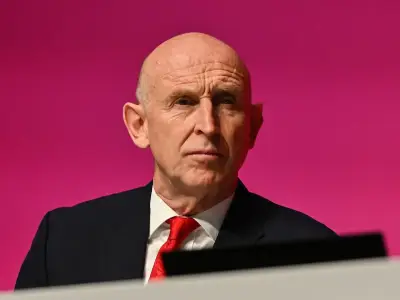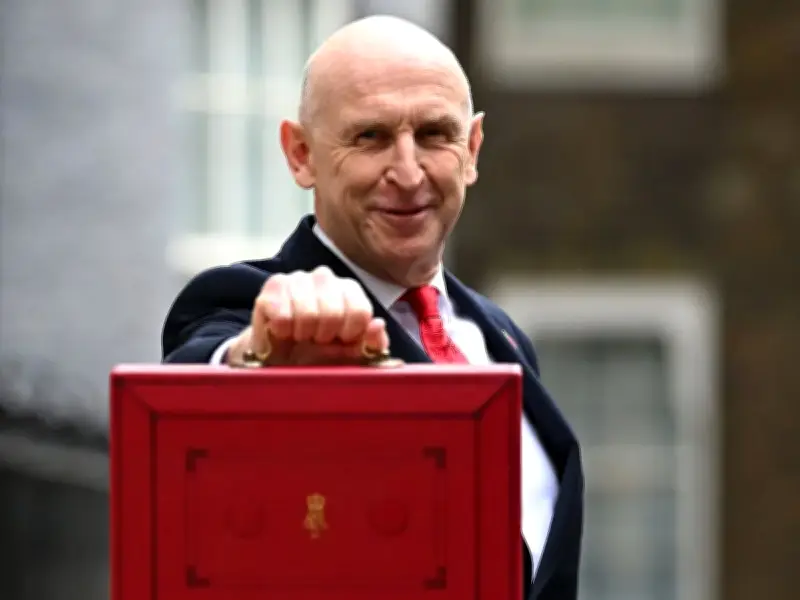
Chancellor John Healey delivered his first Autumn Budget in the House of Commons, announcing a range of changes intended to give households and businesses “breathing space today” from everyday costs. Dubbed a “steady-as-she-goes” Budget, the announcement was limited in scope for big giveaways due to the stretched state of public finances, worsened by international market turmoil caused by the Iran war.
Mr Healey called the Budget “a Budget for the working people of Britain”, focusing on “fiscal discipline, immediate action for today and relief for the future”. He stuck with rules set by his predecessor Rachel Reeves, requiring day-to-day spending to be financed by taxes rather than borrowing.
Key announcements and their impact
The Chancellor promised to use his first Budget to cut energy bills “for good”, announcing a new £100 energy bill payment to households and scrapping standing charges on gas bills. The £100 payment will go to people in council tax bands A to D, with around 20 million households receiving the money this winter at a cost of £2.6 billion.
Standing charges on gas bills, a fixed daily fee added regardless of usage, will be scrapped from next year for around 23 million homes. The Treasury said Chancellor John Healey will ask regulator Ofgem to remove the charges “in 2027 or as soon as possible after”. Fixed costs will instead be paid on the unit rate, which the Treasury said could save 60% of households an average of £45 on their annual bills.
The cut to VAT on electricity will be extended to July, taking £50 off the annual price cap. Mr Healey told the Commons: “In the first week of this new Government, we took VAT off electricity for 29 million households, today I’m extending that VAT cut through the winter and spring to July, taking £50 off the annual price cap.”
Pensions, benefits, and wages
Pensioners with income up to the value of the full new state pension will not pay income tax “in this Parliament”. This comes amid fears that pensioners relying on the State Pension would be pushed into paying income tax in April when rates increase above the personal tax allowance of £12,570.
Mr Healey also confirmed a 3.9% increase to both the national minimum wage and the national living wage for 2.3 million workers. The national living wage for those 21 and over is set to rise from £12.71 to around £13.20, while the national minimum wage for those aged 18 to 21 will rise from £10.85 to around £11.27.
The Chancellor said he will cut the welfare bill “in a Labour way”, without making “crude cuts” to the benefits budget. Reforms will be introduced early next year following the Milburn and Timms reviews into the NEETS crisis.
Business, tax, and high street measures
Mr Healey announced a rise in the threshold for small business rate relief for retail hospitality and leisure businesses to £18,000, taking 70,000 more businesses out of paying business rates altogether. Gambling shops and vape shops are not included.
The Chancellor extended the fuel duty cut until July 2027, and increased the higher mileage rate from 25p to 35p per mile, making permanent the increase to the standard mileage rate introduced earlier this year. He also announced a hike in gambling taxes, with machine games duty rising from 20% to 25% for higher stakes machines.
Landlords face another rise on rental income, with tax rates on income from property and savings rising by a further two percentage points from April 2027. HM Revenue and Customs will get more money to help collect more tax, with reforms to how self-assessed income tax is collected.
For entrepreneurs, Mr Healey tripled the trading allowance from £1,000 to £3,000, launched a new Young Entrepreneurs Allowance, and announced a new scale-up programme to support female founders. The British Business Bank will double its commitments to women-led businesses and funds to £200 million.
The Chancellor reversed the decision by Rachel Reeves to slash the annual Isa allowance from £20,000 to £12,000, which was set to come into effect in April 2027.
Housing, defence, and other measures
The government recently unveiled the Your First Home initiative, giving first-time buyers the chance to buy a new build property with a 2.5% deposit, with the government lending an extra 20% towards the cost. An additional £1.5 billion has been set aside for social and affordable housing, taking funding for the 10-year programme to more than £40 billion.
Mr Healey committed to a 3% defence target by 2030, saying: “This year, our defence budget is £14bn higher than it was in the Conservatives’ last year of government. At the spending review next year, I confirm that I will set out the details of how we will meet our Nato commitment to spend 3.5pc of GDP on defence by 2035, with a target date for 3pc in 2030.”
Britain will commit £10 billion of additional economic and military support to Ukraine, including half a billion in urgent military funding this winter. The government also confirmed a temporary rise in the bank surcharge by an extra 3% to help fund energy support.
The five “every day fixes” include ending the Carer’s Allowance “cliff edge” with a taper, extending parental pay to more than 150,000 additional parents per year, making higher tax-free mileage rates permanent, removing import tariffs on more than 100 food products, and rolling out hundreds more Post Office drop boxes to bring the total to 1,000.