
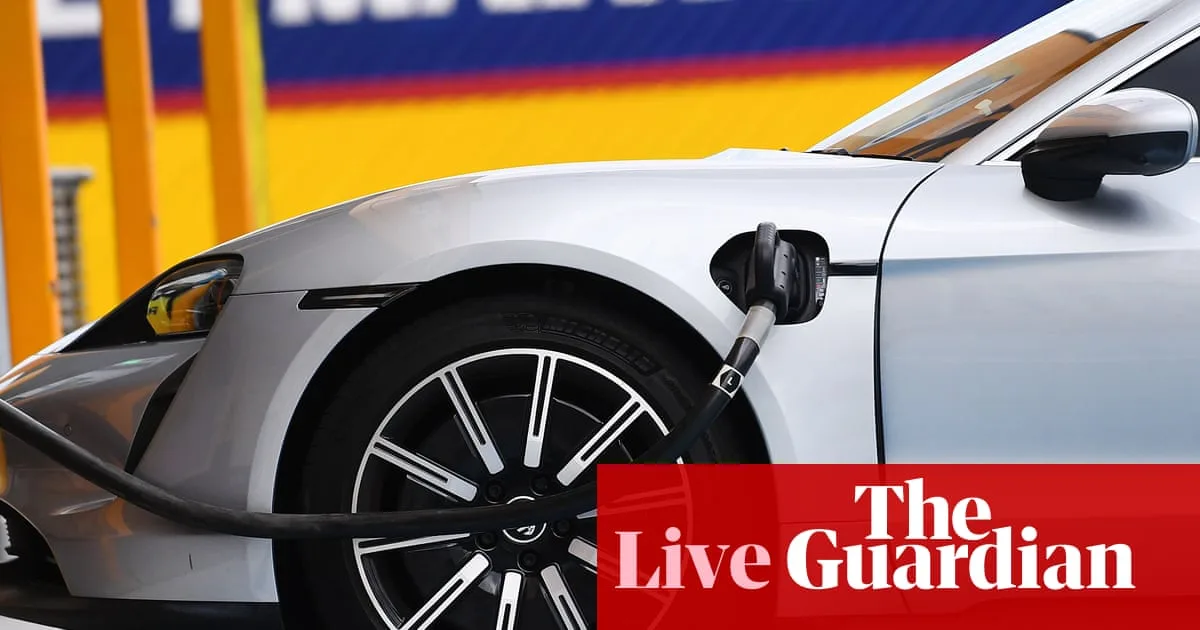
The Organisation for Economic Co-operation and Development (OECD) has called on Australia to speed up the uptake of electric vehicles and renewable energy in response to the global oil shock. In a report, the Paris-based organisation highlighted Australia's particular reliance on diesel among member nations, warning that the current fuel crisis underscores the urgency of reducing dependence on fossil fuel imports.
The OECD's chief economist, Stefano Scarpetta, acknowledged that governments have various ways to ease the strain of soaring fuel costs, especially for vulnerable households. However, he stressed that the crisis demonstrates the need to wean economies off fossil fuel dependency. The OECD recommended accelerating progress with electric vehicle adoption and renewables generation, improved grid links, and increased storage capacity.
In addition, the OECD backed easing restrictive land-use regulations, particularly in urban areas, to curb fuel consumption and improve energy security. Such policies could also boost productivity growth and address housing affordability challenges. The organisation predicted higher inflation and slightly slower economic growth for Australia this year and next due to the evolving Middle East conflict.
Other developments on the day included the Queensland childcare commission of inquiry recommending controversial changes to adoption rules for Indigenous children, Victoria announcing a crackdown on the strata sector and real estate underquoting, and Australian troops being sent to Poland to train with Ukrainians. The Greens co-founder Drew Hutton quit the party, and the former ACT Liberal leader Leanne Castley left the Canberra Liberals citing a 'toxic culture'.




