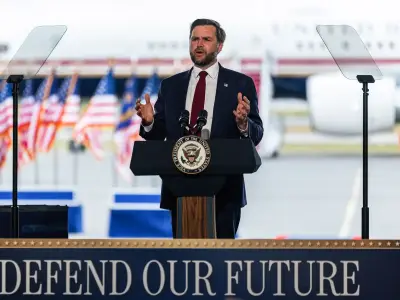
Up to 1.4 million of the UK's poorest people could miss out on the £100 Household Energy Payment this winter, Parliament has been told. Chancellor John Healey announced last week that a one-off payment would be made to households in council tax bands A to D in England, with Wales confirming it will match the payment and the Scottish government pledging to replicate it.
Official figures indicate around 20 million households in bands A to D will receive the sum, paid directly into their bank accounts in January, to help with soaring energy costs. However, Liberal Democrat Daisy Cooper said using the council tax system means many of the poorest will miss out.
Treasury Questions Exchange
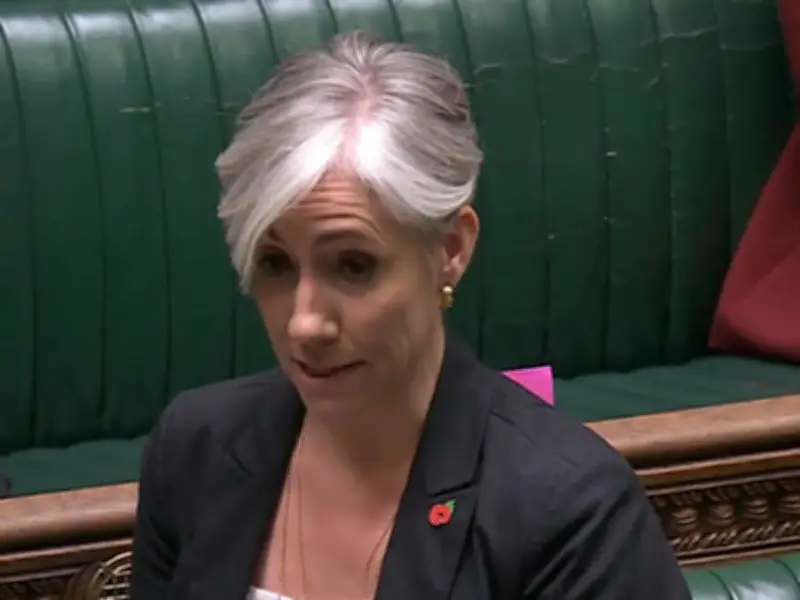
At Treasury questions in the Commons, Cooper said: "The Government's use of the outdated council tax system to roll out their energy support package has led to an absurd situation whereby between 800,000 and 1.4 million people on low incomes will miss out on the £100, while a wealthy couple who have retired early and have downsized are set to benefit. There is absolutely no excuse for this."
She added: "The Government could have followed our plan to use existing DWP and HMRC data to roll out a targeted essential energy guarantee, getting the most help to those who need it most, so why on earth did they not do so?"
Healey replied: "The hon. Lady disappoints me. Nine out of 10 of the poorest households will benefit from the £100 direct payment. Four out of five households in total—20 million—will benefit from this. She will have seen in the Budget that, for those who do struggle, I have also put an extra £100 million into the special fund that local authorities have to administer. They can make payments in hardship cases for those under extreme pressure, and I encourage her to point people to that."
Research on Eligibility Gaps
Research from Policy in Practice found that 838,000 households currently claiming Council Tax support will not benefit from the additional help, despite battling rising energy costs in larger properties. The think tank noted that official estimates suggest 12 per cent of households in the bottom 30 per cent of incomes would be ineligible, while 17 per cent of "fuel-stressed" households—those spending at least 10 per cent of their family budget on energy bills—would also lose out.
Policy in Practice revealed that a low-income family of five or more is 1.6 times more likely to reside in a property within council tax bands E-H, compared to the average low-income household. As a result, more than 130,000 larger, low-income families stand to miss out on the £100 payment. The think tank further found that 84 per cent of households failing to qualify are home to a disabled person, have children, or fall below the poverty line.
Deven Ghelani, director of Policy in Practice, said: "Over 800,000 low-income families are going to be missing out on this vital relief from high energy bills. Millions of people are [also] missing out on over £24bn of [wider] support that is going unclaimed each year because of low awareness, administrative complexity and stigma."
Energy Price Forecasts and Government Response
Energy provider EDF forecasts that households will face a rise of £469 on January 1, pushing average bills to £2,192 annually. Fellow supplier E.On Next predicts a similar increase of £460. Healey said the scheme was designed "to take the pressure off in the coldest months and see people through to the spring".
Campaigners have condemned the use of council tax bands, which are based on 1991 property valuations, and have pressed the government to develop a scheme founded on household income or eligibility for certain benefits. Policy in Practice said: "Council tax bands are an imperfect proxy for household needs. Low-income households can live in larger, higher-band properties, and often have little choice over the size or band of property they're allocated. And increasingly, several families or generations share a home to manage costs."
Those on lower incomes are also less likely to pay their bills via direct debit, meaning the funds will not be transferred to them automatically. Ghelani added that many low-income households were overdrawn, meaning the support intended to assist with heating costs would instead be swallowed up by existing debt.
A government spokesman said: "Tackling the affordability crisis is our priority, which is why we're giving families immediate breathing space. From January, millions of households will receive £100 towards their energy costs from January, alongside action to make bills fairer, including removing standing charges from gas bills and supporting those in energy debt."