
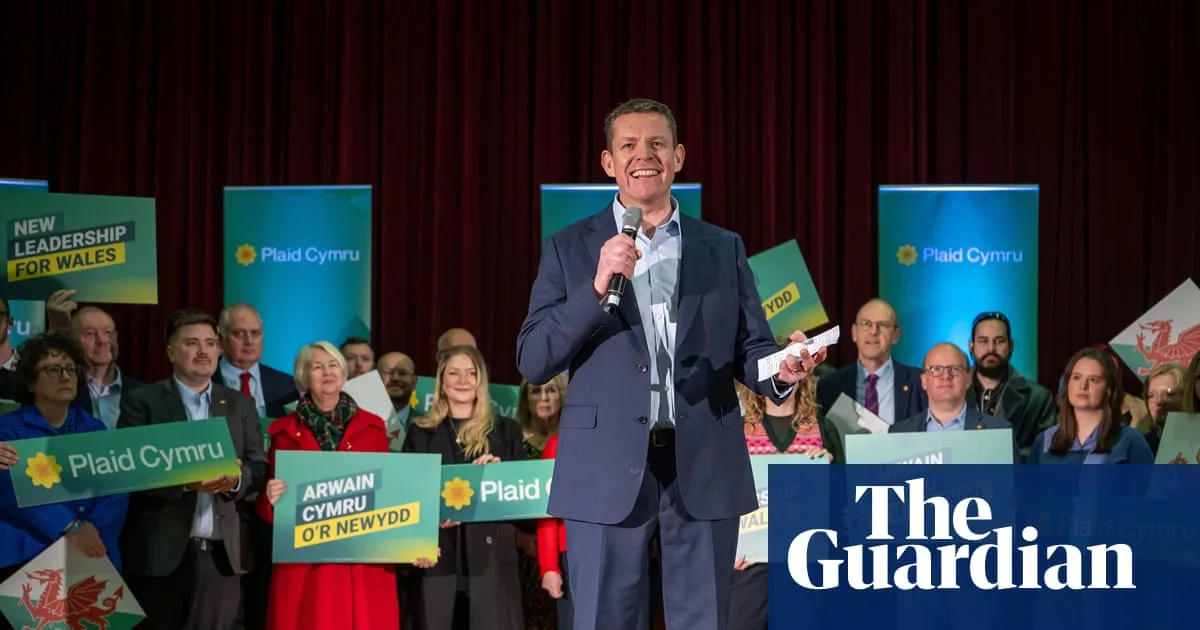
Nationalist parties aiming to break up the United Kingdom are expected to take control of Scotland, Wales and Northern Ireland simultaneously after the 7 May elections, a development described by senior Scottish minister Angus Robertson as “seismic”. Polls suggest Plaid Cymru, the SNP and Sinn Féin will lead the devolved governments, raising the prospect of significant constitutional disputes with the UK government in London.
The three parties are reportedly in talks about combining forces to challenge Westminster on spending, taxation, welfare and rejoining the European Union. The SNP may use an overall majority to demand a second independence referendum as early as 2028, though Holyrood’s proportional system makes this uncertain. Robertson said the status quo would not be sustainable with three nationalist first ministers, calling for a “massive step change” in how the UK deals with its constituent nations.
Plaid Cymru leader Rhun ap Iorwerth, aiming to end Labour’s 103-year dominance in Wales, is preparing to demand devolved powers for policing, justice, control over the seabed and increased funding – powers long enjoyed by Scotland. “We can do things differently … We are not here to repair Labour. We are here to replace them,” he told his party’s autumn conference.
In a sign of shifting alliances, Scotland’s SNP first minister John Swinney has allied with Sinn Féin’s Michelle O’Neill, Northern Ireland’s first minister. The pair have met at summits, and Sinn Féin is expected to use the nationalist victories to boost its push for a border poll on Irish reunification by 2030, making it central to its Northern Irish election campaign in 2027. A senior Labour source noted that a Reform UK victory at the next general election could sharply increase support for a border poll.
Disquiet among some Western allies about renewed UK constitutional conflict at a time of global instability has been tempered by other diplomats and experts. Professor Michael Keating of Aberdeen and Edinburgh universities argued the victories would present a test of maturity for the UK Labour government rather than an immediate threat to the union.




