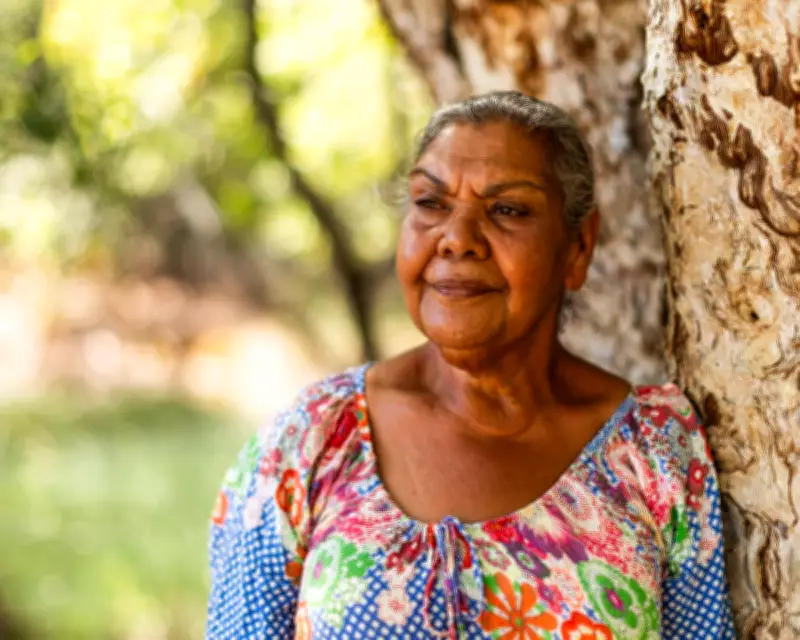
Former Australian social commissioner June Oscar has shared her reflections on the state of reconciliation in the country, emphasising that while progress has been made, significant structural changes are still required to achieve genuine healing between Indigenous and non-Indigenous Australians.
A Candid Assessment
In a wide-ranging interview, Oscar, who served as the Aboriginal and Torres Strait Islander Social Justice Commissioner from 2017 to 2024, offered a candid assessment of the reconciliation process. She acknowledged that the national conversation has evolved, but warned that without concrete action on issues such as constitutional recognition and treaty, the gap between rhetoric and reality will persist.
Structural Barriers Remain
Oscar pointed to ongoing disparities in health, education, and economic outcomes as evidence that systemic barriers remain entrenched. She called for a renewed commitment from all levels of government to implement the Uluru Statement from the Heart in full, including a First Nations Voice to Parliament and a Makarrata Commission for agreement-making and truth-telling.

“We have seen moments of hope, but they are often followed by inertia or outright resistance,” Oscar said. “Reconciliation is not a destination; it is a continuous process that requires us to confront uncomfortable truths about our past and present.”
The Role of Leadership
She also stressed the importance of leadership, both within Indigenous communities and among non-Indigenous Australians. Oscar praised grassroots movements for keeping reconciliation on the agenda, but urged political leaders to move beyond symbolic gestures.
“Symbols matter, but they must be accompanied by substance,” she added. “We need laws and policies that reflect our shared humanity and respect for sovereignty.”
Looking Forward
Despite the challenges, Oscar expressed optimism about the younger generation, whom she described as more open to change and more willing to engage with difficult histories. She encouraged Australians to educate themselves about Indigenous cultures and histories, and to support Indigenous-led initiatives.
“The future of reconciliation lies in our collective willingness to listen, learn, and act,” Oscar concluded. “It is not just an Indigenous issue; it is a national one.”