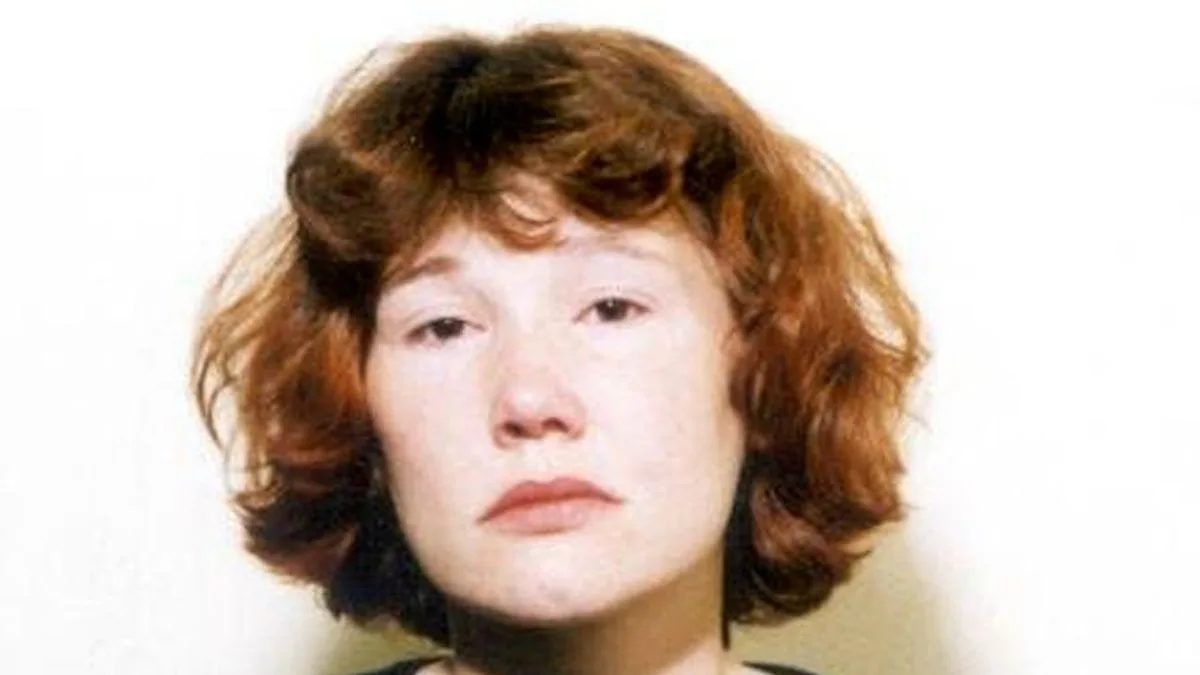
The Devastating Impact of Mistaken Identity in the Maxine Carr Case
Maxine Carr, released from HM Prison Foston Hall in May 2004 after serving 21 months for perverting the course of justice, was granted lifelong anonymity to shield her from public threats. However, this protection has inadvertently cast a shadow over numerous innocent women who have been falsely accused of being Carr, leading to severe harassment, psychological trauma, and even life-threatening situations.
Maxine Carr's Release and Ongoing Protection
Carr was convicted for providing a false alibi to her boyfriend, Ian Huntley, who murdered schoolgirls Holly Wells and Jessica Chapman in August 2002. Sentenced to three-and-a-half years, she was released in 2004 and relocated to multiple safe houses under a secret identity. Reports indicate she married, had a child, and moved to a coastal town, though her exact location remains undisclosed. Carr is among a select group of former UK prisoners, including James Bulger's killers, who receive lifelong anonymity.
In contrast, Huntley received a life sentence with a minimum term of 40 years and died in March 2026 after a prison attack. His death reignited public interest in the case, but for Carr, the focus has shifted to the unintended consequences of her protected status.
Karen Meek: A Life Turned Upside Down
Karen Meek moved to Coleraine, Northern Ireland, seeking a fresh start, but her life descended into a nightmare when police warned her she had been mistakenly identified as Maxine Carr. Despite having no physical resemblance—Karen is blonde, larger-built, and three years older—the accusations led to vandalism of her husband's van, strangers loitering outside her home, and constant fear.
In December 2006, the toll became unbearable when Karen attempted suicide by overdose, requiring hospitalization and psychiatric care. Her husband revealed she was too terrified to return to her job as a shop assistant, fearing attacks on customers and staff. As a mother of two, Karen was devastated by the association with such a heinous crime.
Irene Little: Targeted in Her Own Home
Irene Little, a Scottish woman with no resemblance to Carr, faced similar horrors after moving to East Kilbride. Rumours spread that Carr had been seen locally, and suspicion fell on Irene due to her movements and assistance from her boyfriend and his brother. Neighbours described suspicious "comings and goings," leading to a threatening group gathering outside her flat, shouting "Soham murderer" and posting death threats online.
With up to 20 cars cruising her street, Irene became too frightened to sleep or leave her home. Eventually, police and housing officials had to escort her away for her safety, and it remains unknown if she ever returned.
'Marianne': Hounded Out of York
Another woman, referred to as 'Marianne' to protect her identity, was driven from her home in York after being falsely accused of being Carr. Vandals threw bricks and rocks through her windows, leaving her in constant fear. Despite attempting to clarify her identity with neighbours, most dismissed her explanations, leading to escalating violence.
Marianne, a postgraduate researcher, described the ordeal as feeling like "molten lead" in her stomach. She eventually fled for her health, highlighting the profound psychological impact of such baseless accusations.
Pat Williams: Malicious Rumours in Wales
Pat Williams, a 24-year-old pregnant woman in Ystradgynlais, Wales, found herself at the centre of false claims that she was Carr. Rumours spread through her village, making her life so difficult she considered moving away. Despite confronting the rumour-monger, she received no apology, only a dismissive comment about her hairstyle resembling Carr's.
Married with a young daughter, Pat emphasized the spiteful nature of the accusations, which persisted despite her clear lack of resemblance to Carr.
Carol Symington: Physical Assault in Teesside
Carol Symington's move to Redcar, Teesside, turned into a living hell when locals immediately accused her of being Carr. She faced bricks and bottles thrown at her windows, verbal abuse, and even a physical assault where she was pinned to the ground, her hair pulled to check for a wig. The attackers only relented when they realized she was not a young woman, but the trauma left her in tears and fear.
Diane Carraro: A Visitor Targeted in Staffordshire
Diane Carraro, a 19-year-old South African student on a working holiday in the UK, was mistaken for Carr in Cheadle, Staffordshire. Vigilantes verbally abused her, took her photo, and plastered posters of her on lampposts, calling her a "murdering bitch." Police confirmed her mistaken identity, noting she had never even heard of Carr before the incident. Diane cut her trip short due to the terror, underscoring how quickly such accusations can spiral out of control.
The Broader Implications of Mistaken Identity
These cases, documented in Channel 4's Being Maxine Carr and various media reports, reveal a disturbing pattern of vigilante justice and public hysteria. The women targeted share little to no physical similarity with Carr, yet their lives were upended by rumours and mob mentality. Police interventions, while necessary, often came too late to prevent significant harm.
The anonymity granted to Carr, intended to protect her, has inadvertently created a vacuum filled with speculation and misplaced anger. This highlights the challenges of balancing public safety with the rights of individuals, both those seeking protection and those wrongly ensnared by their association with high-profile crimes.
As Carr continues her life in secrecy, the stories of these women serve as a stark reminder of the collateral damage that can arise from high-profile criminal cases, where innocent bystanders become victims of mistaken identity and public outrage.