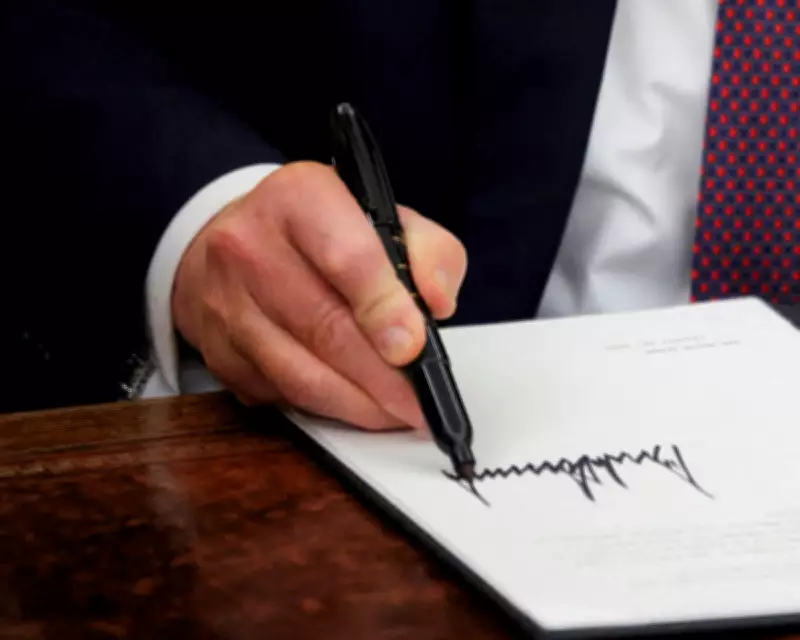
In a move that has ignited fierce debate across the political spectrum, former President Donald Trump has issued a series of pardons for individuals convicted of violent crimes who claim to be survivors of the very acts they were punished for. The pardons, announced late last week, cover a dozen cases where defendants argued that their actions were a direct result of the trauma they endured as victims of violence.
A Controversial Exercise of Clemency
The pardons have been hailed by some as a long-overdue recognition of the complexities of trauma and self-defense, but condemned by others as a dangerous precedent that undermines the rule of law. Critics argue that Trump's decision bypasses established legal processes and could embolden vigilante justice. Supporters, however, contend that the criminal justice system has repeatedly failed these individuals, who were often re-traumatized by harsh sentences.
Case Studies: Survivors Behind Bars
Among those pardoned is Maria Gonzalez, who was sentenced to 15 years for assaulting her abusive partner after years of domestic violence. Her case drew national attention when evidence of her partner's history of abuse was suppressed during trial. Another case involves James Thompson, a victim of a robbery who chased and subdued his attacker, only to be charged with assault. Thompson’s lawyers argued that he acted in self-defense, but a jury disagreed.

These cases highlight the tension between legal definitions of self-defense and the lived realities of trauma. Legal experts note that while self-defense laws vary by state, many survivors of violence face disproportionate charges when they fight back.
Political Reactions and Implications
The pardons have become a flashpoint in the ongoing debate over criminal justice reform. Progressive groups have largely praised the move, with some calling for broader systemic changes to how survivors are treated in court. Conservative voices, meanwhile, have expressed alarm, warning that the pardons could encourage lawlessness and disrespect for judicial decisions.
Trump’s decision also carries implications for his potential 2028 presidential campaign. By positioning himself as a champion of the wrongly accused, he may appeal to voters who feel the justice system is rigged. However, the move risks alienating law-and-order traditionalists within his base.
Legal and Ethical Questions
The Constitution grants the president broad clemency powers, but such pardons are rare for violent crimes. Legal scholars are divided on whether Trump’s actions set a problematic precedent. Some argue that clemency should be based on evidence of rehabilitation or wrongful conviction, not solely on a claim of survivor status. Others counter that the pardons correct past injustices and highlight flaws in the system.
The Department of Justice has not commented on whether it will review the cases, but some prosecutors have expressed frustration, noting that evidence was thoroughly considered during trials.
Looking Ahead
As the nation digests this latest use of presidential power, the conversation around trauma, justice, and redemption continues. For the survivors now free, the pardons offer a second chance. For the broader public, they pose difficult questions about when and how mercy should be granted in a system that often struggles to balance punishment with compassion.