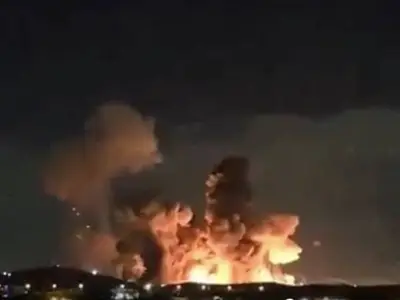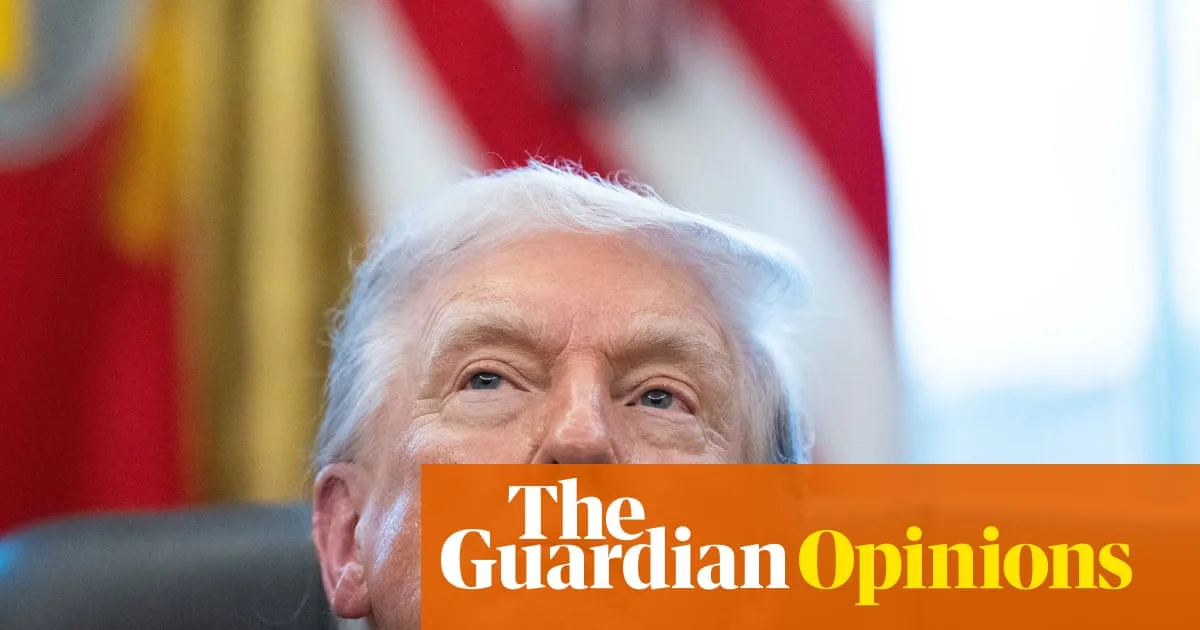
Donald Trump has escalated his attacks on the media, suggesting that news organisations could be charged with treason for reporting on the war in Iran. The US president has long criticised the press, but his rhetoric has become more extreme as he seeks a docile media that provides propaganda rather than factual journalism.
Brendan Carr, chair of the Federal Communications Commission, threatened that media companies could lose their licences if they did not fall in line. Pete Hegseth, the defence secretary, demanded more 'patriotic' headlines and expressed hope that CNN would soon be brought to heel under new, Trump-friendly ownership.
CNN stood by its reporting that the administration had failed to foresee the war's effect on the Strait of Hormuz. Mark Thompson, CNN's chairperson and CEO, said: 'Politicians have an obvious motive for claiming that journalism that raises questions about their decisions is false.' He insisted the network's mission was to inform its audience, regardless of political threats.

Jameel Jaffer of Columbia University's Knight First Amendment Institute said Trump's threats were 'an intensification of his long-running effort to bring news organisations into closer alignment with his own ideological and political agenda'. He added that news outlets have the right to publish as they see fit, not as government officials demand.
The Associated Press and The New York Times have fought back in court, but Media Matters' Matthew Gertz noted that legal battles against the federal government are expensive, and many news owners may not care enough to defend such principles. Critics warn that a weakened press combined with an autocratic president is dangerous for democracy, especially amid an unpopular war.